Review of Pet Friendly Obedience Classes
Enroll your pet in obedience classes to improve behavior before holiday events.
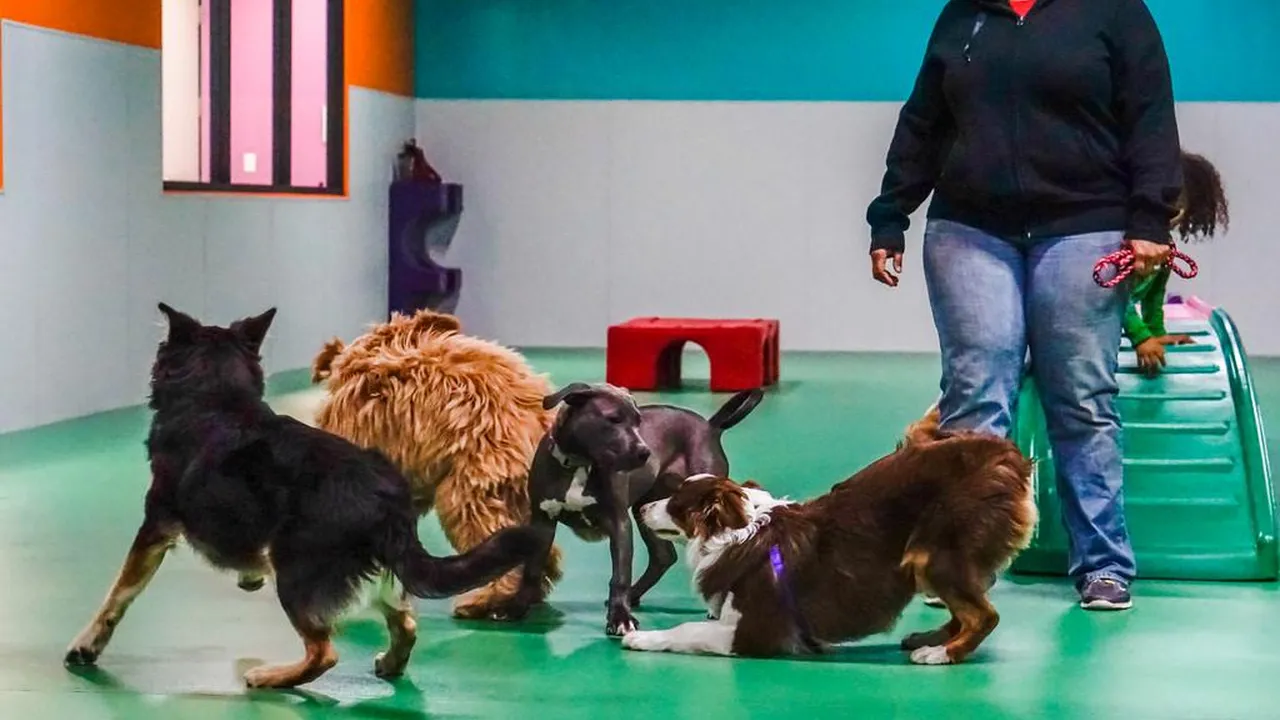
Enroll your pet in obedience classes to improve behavior before holiday events.
Review of Pet Friendly Obedience Classes
Why Obedience Classes Matter for Your Pet and Your Holidays
Hey there, fellow pet parents! Ever found yourself dreaming of a peaceful holiday gathering, only to be jolted back to reality by your furry friend’s less-than-stellar manners? Maybe Fido decided the Christmas tree was a new chew toy, or Whiskers thought Uncle Bob’s lap was the perfect scratching post. We’ve all been there. The holiday season, while joyous, can be a real test of your pet’s training – or lack thereof. That’s where pet-friendly obedience classes come in. They’re not just about teaching 'sit' and 'stay'; they’re about building a stronger bond with your pet, ensuring their safety, and making sure everyone, two-legged and four-legged, enjoys the festivities.
Think about it: new people, new smells, tempting holiday treats, and a general buzz of excitement can be overwhelming for pets. Without proper training, this can lead to stress for them and headaches for you. Obedience classes provide a structured environment to teach your pet how to navigate these situations gracefully. Plus, it’s a fantastic way to socialize your pet, exposing them to new environments and other animals in a controlled setting. This article will dive deep into the world of pet-friendly obedience classes, exploring different types, what to look for, and even some specific recommendations to get you started on the path to a more harmonious holiday season.
Understanding Different Types of Obedience Classes for Your Furry Friend
Just like us, pets learn in different ways and at different paces. That’s why there’s a variety of obedience classes out there. Knowing the different types can help you pick the best fit for your pet’s personality and your specific needs.
Puppy Kindergarten and Socialization Classes for Young Pups
Got a new puppy? Congratulations! These classes are a must. Puppy kindergarten focuses on early socialization, basic manners (like house-training and bite inhibition), and getting your pup comfortable with new sights, sounds, and other puppies. It’s less about strict obedience and more about positive exposure during their critical developmental period.
- Typical Age Range: 8 weeks to 5-6 months.
- Key Benefits: Crucial socialization, basic manners, preventing future behavioral issues.
- What to Look For: Positive reinforcement methods, clean facilities, small class sizes, and experienced trainers who understand puppy development.
Basic Obedience Classes for Fundamental Manners
This is often the starting point for older puppies or adult dogs who need to learn the fundamentals. Commands like 'sit,' 'stay,' 'come,' 'down,' and 'leave it' are typically covered. These classes are essential for establishing good communication and control.
- Typical Age Range: 6 months and older.
- Key Benefits: Foundation for good behavior, improved communication, better leash manners.
- What to Look For: Emphasis on positive reinforcement, clear instruction, opportunities for practice, and trainers who can adapt to different learning styles.
Intermediate and Advanced Obedience for Skill Refinement
Once your pet has mastered the basics, intermediate and advanced classes build upon those skills. They might introduce more complex commands, off-leash reliability, or work on distractions. These are great for pets who enjoy learning and owners who want to take their training to the next level.
- Key Benefits: Enhanced control, off-leash reliability, mental stimulation for your pet, preparation for dog sports.
- What to Look For: Challenging exercises, focus on real-world scenarios, and trainers with advanced certifications.
Specialty Classes Addressing Specific Behavioral Challenges
Sometimes, pets have specific issues like excessive barking, leash reactivity, or separation anxiety. Many training facilities offer specialized classes or workshops to address these challenges. These are often smaller groups or even one-on-one sessions.
- Key Benefits: Targeted solutions for specific problems, expert guidance, and often a deeper understanding of your pet’s behavior.
- What to Look For: Trainers specializing in behavior modification, a clear plan of action, and a focus on positive, humane methods.
Key Factors to Consider When Choosing an Obedience Class for Your Pet
Choosing the right class isn’t just about finding the closest one. A good fit can make all the difference in your pet’s learning experience and your overall success. Here’s what to keep in mind:
Trainer Qualifications and Experience in Positive Reinforcement
This is paramount. Look for trainers who are certified by reputable organizations (like the Certification Council for Professional Dog Trainers - CCPDT, or the Karen Pryor Academy). They should exclusively use positive reinforcement methods – think treats, praise, and toys – rather than punishment or fear-based techniques. A good trainer will explain why they do what they do and be able to answer all your questions.
Class Size and Instructor to Student Ratio for Personalized Attention
Smaller classes mean more individual attention for you and your pet. An ideal ratio is usually around 1:6 or 1:8. This allows the trainer to observe each dog, provide personalized feedback, and address specific challenges.
Curriculum and Training Methods for Effective Learning
Ask for a detailed curriculum. What commands will be taught? How will they be taught? Ensure the methods align with positive reinforcement and are humane. A good curriculum will progress logically and build on previously learned skills.
Facility Cleanliness and Safety for a Comfortable Environment
Visit the facility before signing up. Is it clean? Is it well-lit and spacious enough for the dogs to move around comfortably? Are there secure areas for off-leash work? Safety should always be a top priority.
Location and Schedule Convenience for Consistent Attendance
Let’s be real, if it’s too far or the times don’t work, you’re less likely to go consistently. Consistency is key in training. Find a location and schedule that fits easily into your routine.
Cost and Value for Your Investment in Pet Training
Obedience classes can range in price. Compare what’s included in the cost – number of sessions, access to resources, follow-up support. Don’t just go for the cheapest option; consider the overall value and the quality of instruction.
Top Pet Friendly Obedience Class Providers and Their Offerings
While local, independent trainers are often fantastic, some larger chains and online platforms offer widely accessible and reputable programs. Here are a few to consider, along with some specific product recommendations that complement their training.
PetSmart Dog Training Programs and Supporting Products
PetSmart offers a variety of group classes, from puppy to advanced, and even some specialized workshops. They are widely available across the US and Canada, making them a convenient option for many. Their classes typically run for 6 weeks, with one session per week.
- Pros: Widespread availability, relatively affordable, certified trainers, good for basic obedience.
- Cons: Class sizes can sometimes be larger, less personalized attention than private lessons.
- Typical Cost: Around $120-$150 for a 6-week course.
Recommended Products for PetSmart Training:
- Treats: Zuke's Mini Naturals Dog Treats (approx. $6-8 for 6oz bag). These are small, soft, and low-calorie, perfect for frequent rewards during training without overfeeding. They come in various flavors like chicken, peanut butter, and salmon.
- Leash: Blue-9 Pet Products Balance Harness (approx. $30-40). This front-clip harness is excellent for leash training as it discourages pulling without causing discomfort. It's adjustable and comes in multiple sizes.
- Clicker: Karen Pryor Clicker Training i-Click Clicker (approx. $5-7). A classic, easy-to-use clicker that's comfortable to hold and has a consistent sound. Essential for marking desired behaviors precisely.
Petco Dog Training Services and Complementary Gear
Similar to PetSmart, Petco provides a range of group classes and private lessons. They often emphasize positive reinforcement and offer a comprehensive curriculum. They also have a strong online presence with resources and booking options.
- Pros: Convenient locations, positive reinforcement focus, good for foundational skills.
- Cons: Can vary by location in terms of trainer experience, group classes might be less flexible.
- Typical Cost: Around $120-$160 for a 6-week course.
Recommended Products for Petco Training:
- Treat Pouch: Ruffwear Treat Trader (approx. $25-30). This magnetic-closure pouch allows for quick and easy access to treats, crucial for timing rewards correctly. It's durable and can attach to your belt or pocket.
- Long Line: Mendota Products Snap Leash (approx. $15-25 for 15-30ft). A long line is invaluable for practicing 'come' and 'stay' commands in a safe, open environment. Mendota leashes are durable and come in various lengths and materials.
- Puzzle Toy: KONG Classic Dog Toy (approx. $10-15 depending on size). While not directly for obedience, a stuffed KONG can keep your dog occupied and mentally stimulated before or after class, helping them settle.
Local Independent Dog Trainers and Their Unique Approaches
Often, the best training experiences come from independent trainers or smaller local businesses. They tend to offer more personalized attention, smaller class sizes, and sometimes more specialized programs. A quick online search for 'dog obedience classes near me' or 'positive reinforcement dog trainer [your city]' will yield results. Look for trainers with good reviews and clear philosophies.
- Pros: Highly personalized, often more flexible scheduling, specialized expertise, strong community feel.
- Cons: Can be more expensive, availability might be limited depending on your area.
- Typical Cost: Varies widely, from $150-$300+ for group classes, and $75-$150+ per hour for private sessions.
Recommended Products for Independent Training:
- High-Value Treats: Stella & Chewy's Freeze-Dried Raw Dinner Patties (approx. $15-20 for 3.5oz bag). These can be broken into tiny pieces and are incredibly motivating for dogs, especially in distracting environments.
- Training Platform: Dogtra 1900S Remote Training Collar (approx. $200-250). Important Note: This is a remote training collar, not a shock collar. It uses vibration and low-level stimulation for communication, not punishment. Only use under the guidance of a certified professional who advocates for humane, positive reinforcement-based e-collar training. It's for advanced off-leash reliability and not for beginners.
- Calming Aid: Adaptil Calming Collar or Diffuser (approx. $20-30 for collar, $30-40 for diffuser). If your dog is anxious in new environments, these pheromone-based products can help create a sense of calm, making them more receptive to learning.
Online Obedience Courses and Digital Resources for Flexibility
For those with busy schedules or limited access to in-person classes, online courses have become a fantastic alternative. Many reputable trainers offer comprehensive video lessons, live Q&A sessions, and community forums.
- Pros: Incredible flexibility, often more affordable, learn at your own pace, access to top trainers globally.
- Cons: Lacks hands-on feedback from a trainer, less direct socialization for your pet.
- Typical Cost: From free (YouTube) to $50-$300+ for comprehensive courses.
Recommended Online Platforms:
- Fenzi Dog Sports Academy (FDSA): While focused on dog sports, their foundation courses are excellent for general obedience and behavior. They offer structured, multi-week courses with instructor feedback. Cost: $100-$200+ per course.
- Kikopup (YouTube Channel): Free, high-quality videos by Emily Larlham, a renowned positive reinforcement trainer. Excellent for visual learners and specific problem-solving.
- Zak George's Dog Training Revolution (YouTube Channel & Books): Another popular free resource with a positive, engaging style. His videos cover a wide range of topics.
Comparing Training Methods: In-Person vs. Online vs. Private Sessions
Each training format has its pros and cons. The best choice depends on your pet’s personality, your lifestyle, and your budget.
Group Classes: Socialization and Cost-Effectiveness
Pros: Great for socialization, more affordable, structured environment, peer learning (for both dogs and owners).
Cons: Less personalized attention, pace might be too fast or slow for your dog, distractions from other dogs.
Best For: Well-socialized dogs needing basic manners, owners who enjoy a group setting.
Private Lessons: Personalized Attention and Targeted Solutions
Pros: Highly personalized, tailored to your dog’s specific needs, flexible scheduling, can address complex behavioral issues, training happens in your home environment.
Cons: Most expensive option, less socialization with other dogs.
Best For: Dogs with specific behavioral challenges, anxious or reactive dogs, owners who prefer one-on-one guidance.
Online Courses: Flexibility and Accessibility
Pros: Learn at your own pace, accessible from anywhere, often more affordable, great for reviewing material.
Cons: No direct hands-on feedback, requires self-discipline, limited socialization opportunities.
Best For: Owners with busy schedules, those in remote areas, dogs who are easily distracted in group settings, or as a supplement to in-person training.
Preparing Your Pet and Yourself for Obedience Class Success
Signing up is just the first step! A little preparation can go a long way in making sure you and your pet get the most out of your obedience classes.
Essential Supplies to Bring to Every Class Session
- High-Value Treats: Small, soft, and super tasty! Think cooked chicken, cheese, or specialized training treats.
- Treat Pouch: For quick and easy access to rewards.
- Leash and Collar/Harness: A standard 6-foot leash and a comfortable, well-fitting collar or harness (avoid retractable leashes).
- Water and Bowl: Especially for longer sessions or warm weather.
- Poop Bags: Always be prepared!
- A Mat or Bed: For 'place' training or just a comfortable spot for your dog to settle.
Mental and Physical Preparation for Your Dog Before Class
A tired dog is a good student! Take your dog for a good walk or play session before class to burn off some energy. Also, make sure they’ve had a potty break. Don’t feed them a huge meal right before class; a slightly hungry dog is more motivated by treats.
Your Role as the Primary Trainer and Consistency at Home
Remember, the trainer is teaching you how to train your dog. The real work happens at home. Practice the commands and exercises daily in short, fun sessions. Consistency is absolutely crucial for your dog to generalize what they learn in class to real-world situations.
Common Challenges and How Obedience Classes Can Help Overcome Them
It’s not always smooth sailing, but obedience classes are designed to help you navigate common pet behavior issues.
Leash Pulling and Reactivity on Walks
Many classes dedicate time to loose-leash walking and managing reactivity. Trainers can provide immediate feedback on your technique and suggest specific exercises to improve your dog’s leash manners.
Excessive Barking and Nuisance Behaviors
While not always solved in a group setting, basic obedience helps establish control. Many trainers offer specific advice or workshops on managing barking, jumping, and other nuisance behaviors by teaching alternative, desirable actions.
Lack of Recall and Safety Concerns
A reliable 'come' command is a lifesaver. Obedience classes provide a controlled environment to practice recall with increasing distractions, building your dog’s reliability and ensuring their safety.
Socialization Issues and Fearful Behavior
For fearful or undersocialized dogs, group classes (especially puppy classes) can be invaluable for positive exposure. Trainers can guide you on how to manage your dog’s comfort level and build their confidence around other dogs and people.
Making the Most of Your Obedience Class Experience
To truly maximize your investment in obedience classes, here are a few tips:
Engage with Your Trainer and Ask Questions
Don’t be shy! Your trainer is there to help. If you don’t understand something, or if your dog is struggling, speak up. The more questions you ask, the more you’ll learn.
Practice Consistently Between Sessions
This cannot be stressed enough. Short, frequent practice sessions (5-10 minutes, 2-3 times a day) are far more effective than one long session once a week. Make it fun and rewarding for your dog.
Be Patient and Celebrate Small Victories
Training takes time and patience. There will be good days and not-so-good days. Celebrate every small success, and don’t get discouraged by setbacks. Every step forward, no matter how small, is progress.
Consider Continuing Education for Lifelong Learning
Obedience isn’t a one-and-done deal. Consider advanced classes, dog sports, or even just regular refresher sessions to keep your dog mentally stimulated and reinforce good behaviors. Lifelong learning benefits both of you!
Ultimately, enrolling your pet in obedience classes is an investment in a happier, healthier relationship with your furry family member. It’s about more than just commands; it’s about understanding each other better, building trust, and ensuring that your pet is a well-adjusted, joyful part of your life, especially during those bustling holiday seasons. So go ahead, find a class that fits, and embark on this rewarding journey with your best friend!
:max_bytes(150000):strip_icc()/277019-baked-pork-chops-with-cream-of-mushroom-soup-DDMFS-beauty-4x3-BG-7505-5762b731cf30447d9cbbbbbf387beafa.jpg)