Comparing Pet Training Collars and Harnesses
Choose the right training tools for your pet during holiday walks and outings.
Choose the right training tools for your pet during holiday walks and outings. When it comes to training your beloved canine companion, selecting the appropriate collar or harness is paramount. It's not just about control; it's about comfort, safety, and fostering a positive training experience. Especially during the bustling holiday season, when walks might be more frequent, and new environments are encountered, having the right gear can make all the difference. This comprehensive guide will delve into the world of pet training collars and harnesses, comparing their features, benefits, and ideal use cases, helping you make an informed decision for your furry friend.
Comparing Pet Training Collars and Harnesses for Holiday Walks and Training
Understanding the Basics Pet Training Gear Essentials
Before diving into specific types, let's understand the fundamental purpose of collars and harnesses. Both are designed to provide a point of attachment for a leash, allowing you to guide and control your dog. However, their design and the way they distribute pressure differ significantly, impacting their suitability for various training goals and dog temperaments. Collars primarily exert pressure around the dog's neck. While traditional flat collars are common for identification and basic leash attachment, specialized training collars aim to provide more direct communication or correction. Harnesses, on the other hand, distribute pressure across the dog's chest, shoulders, and back, alleviating strain on the neck.Flat Collars The Everyday Choice for Pet Identification and Basic Leash Training
Flat collars are the most common type, typically made from nylon, leather, or fabric. They are excellent for holding identification tags and rabies tags. For basic leash training, especially with puppies or well-behaved dogs, they can be sufficient. However, for dogs that pull excessively, they can put significant strain on the trachea and neck, potentially leading to injury. Pros:- Affordable and widely available.
- Good for identification and basic leash manners.
- Easy to put on and take off.
- Can cause choking or neck injury if the dog pulls.
- Not ideal for strong pullers or dogs with respiratory issues.
Ruffwear Flat Out Collar Durable and Stylish Pet Collar
The Ruffwear Flat Out Collar is a premium flat collar known for its durability and vibrant designs. It features a separate ID attachment point, reducing jingling, and a strong aluminum V-ring for leash attachment. It's made from a durable, fade-resistant fabric.
- Use Case: Everyday wear, identification, light leash walking for well-behaved dogs.
- Price: Approximately $25-$30 USD.
Blue-9 Pet Products Buckle-Neck Collar Comfortable and Secure Dog Collar
This collar offers a comfortable fit with a secure buckle. It's made from soft, durable webbing and is designed for everyday use. It's a reliable choice for general purposes.
- Use Case: General purpose, identification, basic training for dogs that don't pull excessively.
- Price: Approximately $15-$20 USD.
Martingale Collars Gentle Correction for Pet Training and Escape Prevention
Martingale collars, also known as limited-slip collars, are designed to tighten gently when the dog pulls, preventing them from slipping out. They are particularly popular for sighthounds or dogs with narrow heads, but can be effective for any dog that tends to back out of a flat collar. The tightening action is limited, preventing choking. Pros:- Prevents escape.
- Provides gentle correction without choking.
- Good for dogs with narrow heads.
- Still applies pressure to the neck.
- Requires proper fitting to be effective and safe.
PetSafe Martingale Collar with Quick Snap Durable and Easy to Use
The PetSafe Martingale Collar features a quick-snap buckle for easy on and off, making it convenient for daily use. It's made from durable nylon and is available in various sizes and colors.
- Use Case: Dogs that slip out of traditional collars, sighthounds, general training for gentle pullers.
- Price: Approximately $10-$15 USD.
2 Hounds Design Freedom No Pull Harness and Leash Training System
While primarily a harness, 2 Hounds Design also offers excellent martingale collars. Their focus on quality and effective design extends to their collar line, providing a reliable option for escape prevention.
- Use Case: Dogs prone to backing out of collars, general training.
- Price: Approximately $15-$25 USD.
Head Halters Gentle Control for Strong Pullers and Reactive Dogs
Head halters, like the Gentle Leader or Halti, work by redirecting the dog's head, and consequently their body, in the desired direction. They fit over the dog's muzzle and behind their ears, similar to a horse's halter. When the dog pulls, the pressure is applied to the back of their neck and over their nose, which is a sensitive area, discouraging pulling without causing pain. Pros:- Excellent control for strong pullers.
- Reduces pulling significantly.
- Can be helpful for managing reactive dogs.
- Some dogs dislike the feeling on their muzzle.
- Requires a period of positive conditioning to get the dog comfortable.
- Can be mistaken for a muzzle by others.
PetSafe Gentle Leader Headcollar Effective No Pull Solution
The Gentle Leader is a classic and highly effective head halter. It's designed to give you immediate, gentle control over your dog. It comes with an instructional DVD to help with proper fitting and introduction.
- Use Case: Strong pullers, reactive dogs, dogs needing more precise control during training.
- Price: Approximately $20-$25 USD.
Halti Headcollar Comfortable and Humane Dog Training Tool
The Halti Headcollar is another popular choice, known for its comfortable fit and humane design. It features a padded nose band for added comfort and a safety clip that attaches to your dog's regular collar for extra security.
- Use Case: Similar to Gentle Leader, effective for strong pullers and behavioral training.
- Price: Approximately $18-$22 USD.
Front Clip Harnesses The Best No Pull Solution for Pet Comfort
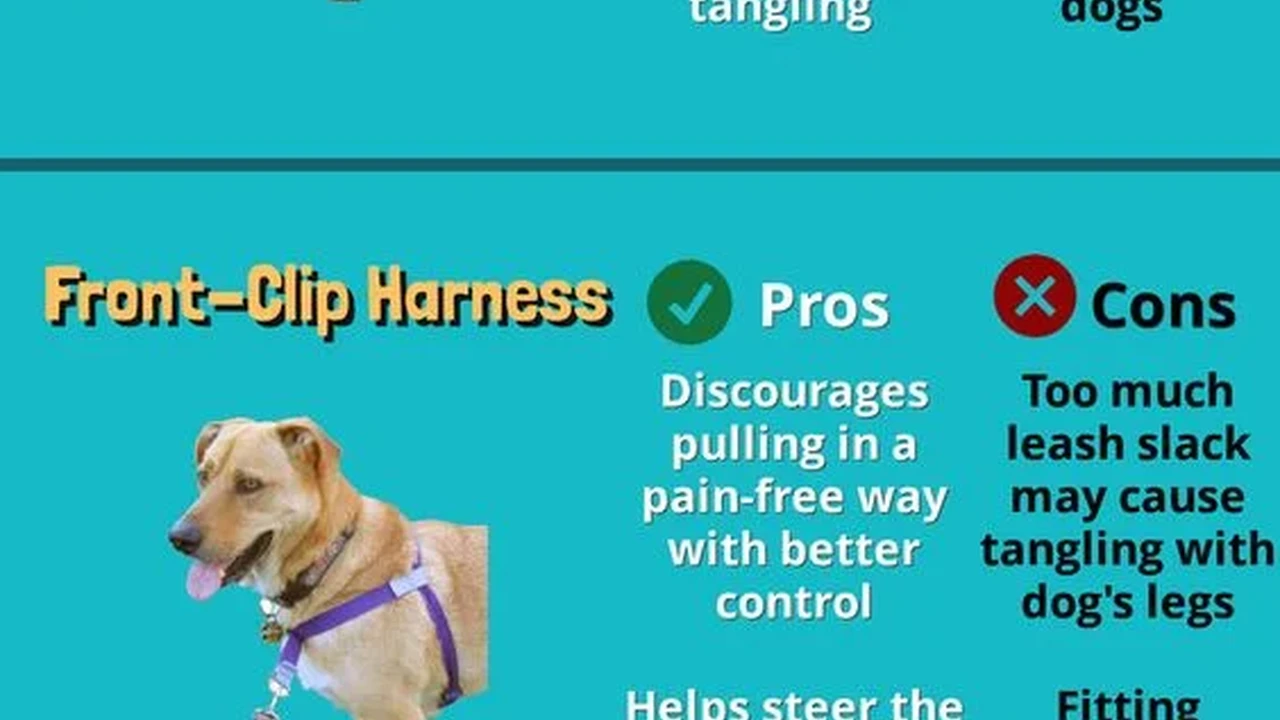
Front clip harnesses have the leash attachment ring located on the dog's chest. When the dog pulls, they are gently redirected to the side, making it difficult for them to continue pulling forward. This design discourages pulling without putting pressure on the neck or throat, making them a popular choice for comfort and effective training. Pros:- Excellent for reducing pulling.
- Distributes pressure evenly across the chest and shoulders.
- Comfortable for most dogs.
- Can sometimes tangle the leash around the dog's legs if not properly fitted.
- Some dogs may find the front clip awkward initially.
Easy Walk Harness by PetSafe Popular and Effective No Pull Harness
The Easy Walk Harness is one of the most well-known and widely used front clip harnesses. Its simple design and effectiveness in reducing pulling have made it a favorite among dog owners and trainers. It features a unique front-chest leash attachment that steers your dog to the side when they pull.
- Use Case: Dogs of all sizes that pull on the leash, general walking, training.
- Price: Approximately $20-$25 USD.
Freedom No Pull Harness by 2 Hounds Design Versatile and Comfortable Training Harness
The Freedom No Pull Harness is highly regarded for its dual-connection design, offering both a front and back clip. This versatility allows for different training approaches. It's made with comfortable, Swiss velvet lining on the straps that go under the legs to prevent chafing.
- Use Case: Dogs that pull, reactive dogs, dogs needing versatile training options.
- Price: Approximately $30-$40 USD.
Back Clip Harnesses Everyday Comfort and Safety for Pet Walks
Back clip harnesses have the leash attachment ring on the dog's back, typically between the shoulder blades. These harnesses are excellent for dogs that don't pull, providing comfort and preventing neck strain. They are also a good choice for small dogs or those with delicate tracheas. Pros:- Comfortable for dogs that don't pull.
- Prevents neck strain.
- Easy to put on and take off.
- Does not discourage pulling; can even encourage it in some dogs.
- Less control over strong or reactive dogs.
Ruffwear Front Range Harness Padded and Durable Everyday Harness
The Ruffwear Front Range Harness is a popular choice for its comfort, durability, and thoughtful design. It features two leash attachment points (one on the chest for pulling and one on the back for everyday walks), padded panels for comfort, and reflective trim for visibility.
- Use Case: Everyday walks, hiking, general use for dogs that don't pull excessively.
- Price: Approximately $40-$50 USD.
Kurgo Tru-Fit Enhanced Strength Harness Crash Tested Dog Harness
The Kurgo Tru-Fit Harness is known for its safety features, including being crash-tested for car travel. It also functions as a comfortable walking harness with a back clip. It's a great option for owners who prioritize safety during car rides and walks.
- Use Case: Everyday walks, car safety, general use.
- Price: Approximately $30-$40 USD.
:max_bytes(150000):strip_icc()/277019-baked-pork-chops-with-cream-of-mushroom-soup-DDMFS-beauty-4x3-BG-7505-5762b731cf30447d9cbbbbbf387beafa.jpg)