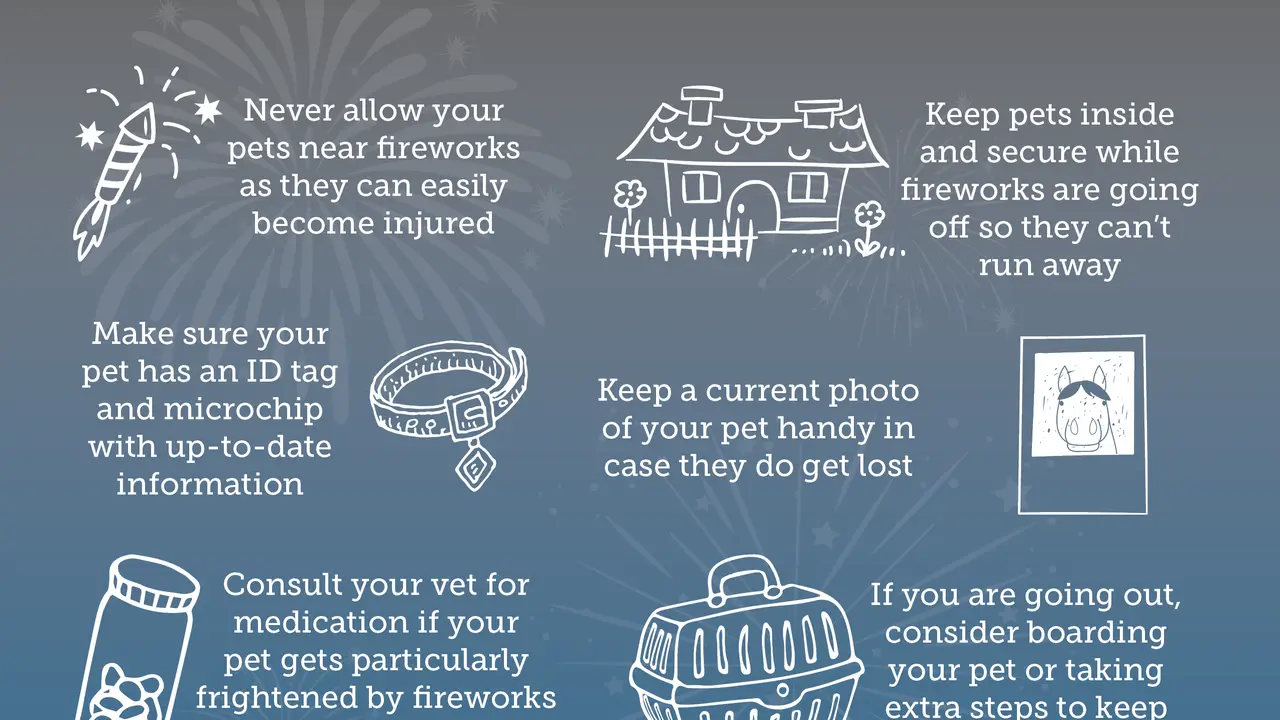
Comparing Pet Desensitization Techniques for Noise
Prepare your pet for holiday fireworks and loud noises with our desensitization techniques.
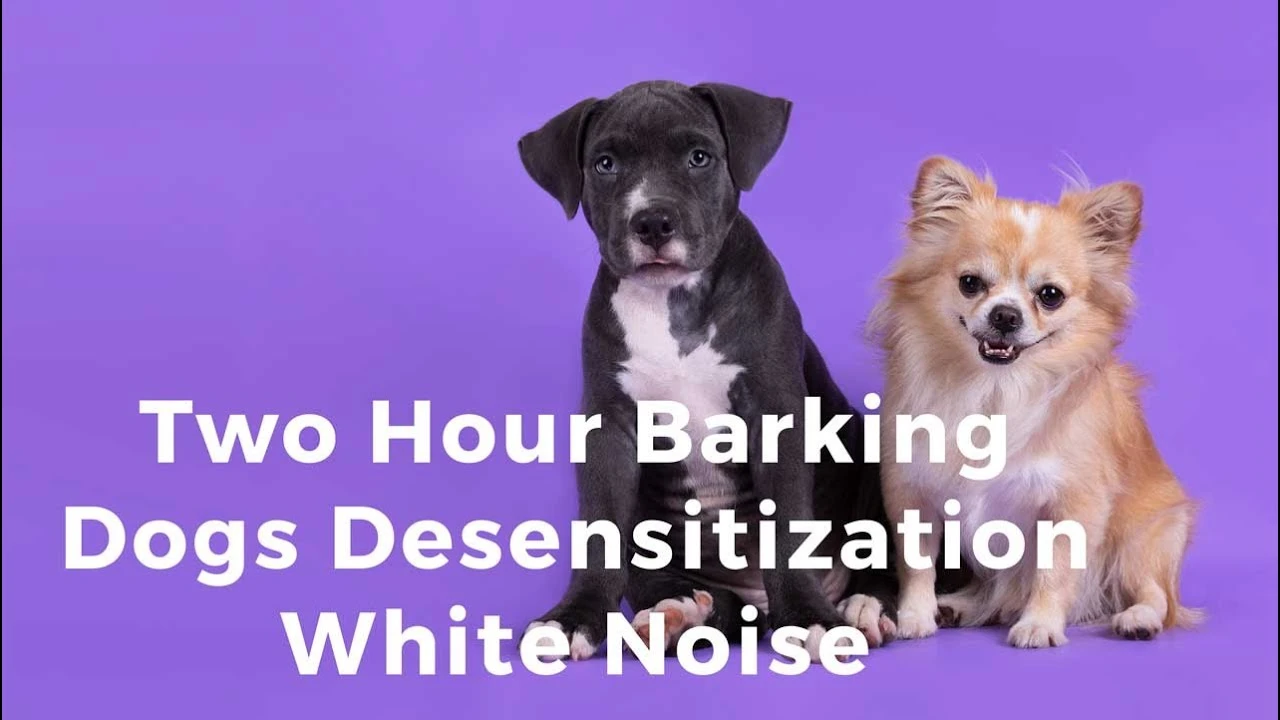
Prepare your pet for holiday fireworks and loud noises with our desensitization techniques.
Comparing Pet Desensitization Techniques for Noise
The holiday season, while joyous for us, can be a source of immense stress and anxiety for our beloved pets. Fireworks, loud music, boisterous gatherings, and even sudden thunderstorms can trigger fear and panic in many animals. As responsible pet parents, it's our duty to help our furry friends navigate these challenging times. One of the most effective long-term strategies is desensitization and counter-conditioning. This involves gradually exposing your pet to the scary sounds at a low, non-threatening level, while simultaneously associating those sounds with positive experiences. Let's dive into various techniques and compare some products that can aid in this process.
Understanding Pet Noise Phobia and Its Impact
Before we explore solutions, it's crucial to understand what noise phobia looks like in pets. Common signs include trembling, panting, pacing, hiding, excessive barking or meowing, destructive behavior, inappropriate urination or defecation, and even attempts to escape. These reactions are not just inconvenient; they indicate genuine distress and can significantly impact your pet's quality of life. Ignoring these signs can lead to worsening anxiety over time.
The Core Principles of Desensitization and Counter Conditioning for Noise Sensitivity
Desensitization means gradually reducing your pet's sensitivity to a particular stimulus. Counter-conditioning means changing your pet's emotional response to that stimulus from negative to positive. When combined, these techniques are powerful. The key is to start slow, keep sessions short, and always end on a positive note. Never force your pet into a situation where they are clearly distressed. If your pet shows signs of fear, you've gone too fast or too loud.
Sound Therapy and Noise Desensitization Apps for Pets
One of the most accessible ways to begin desensitization is through sound therapy. This involves playing recordings of the sounds your pet fears at a very low volume, gradually increasing the volume over days or weeks. Many apps and specialized CDs are available for this purpose.
Product Spotlight: Calm My Dog and Calm My Cat Apps
These popular apps offer a range of sounds, including fireworks, thunderstorms, city noises, and even vacuum cleaners. They allow you to control the volume precisely, making them ideal for gradual desensitization. They often include calming music or white noise options as well.
- Usage Scenario: Start by playing the sound at a volume so low you can barely hear it, while your pet is relaxed and engaged in a positive activity, like eating a meal or playing with a favorite toy. As your pet remains calm, slowly increase the volume over subsequent sessions.
- Comparison: These apps are convenient because they are always on your phone. They offer a good variety of sounds and are generally user-friendly.
- Estimated Price: Free to $9.99 for premium features.
Product Spotlight: Through a Dog's Ear Music Series
While not strictly a desensitization tool, this music series is specifically composed to calm the canine nervous system. It can be used in conjunction with sound desensitization to create an even more relaxing environment.
- Usage Scenario: Play this music during desensitization sessions or simply when you anticipate a noisy event to help keep your dog relaxed.
- Comparison: Focuses on calming rather than direct desensitization, but highly effective for creating a positive emotional state.
- Estimated Price: $10-$20 per album.
Creating a Safe Haven and Den Training for Noise Anxiety
Providing a safe, quiet space where your pet can retreat during noisy events is crucial. This can be a crate, a specific room, or even a cozy corner under a desk. Den training involves making this space a positive place for your pet.
Product Spotlight: MidWest Homes for Pets iCrate
A sturdy, comfortable crate can become your pet's safe haven. Cover it with a blanket to further muffle sounds and create a dark, den-like environment.
- Usage Scenario: Introduce the crate positively with treats and toys. Never use it for punishment. Encourage your pet to go in voluntarily. During noisy events, they will associate it with safety.
- Comparison: A classic, reliable option. Look for models with multiple doors for easy access.
- Estimated Price: $40-$150 depending on size.
Product Spotlight: ThunderShirt Anxiety Vest
While not a desensitization tool itself, the ThunderShirt applies gentle, constant pressure, similar to swaddling an infant. This can have a calming effect on many pets, making them more receptive to desensitization training.
- Usage Scenario: Put the ThunderShirt on your pet before a desensitization session or before an anticipated noisy event. It can help reduce their baseline anxiety, allowing them to focus better on positive associations.
- Comparison: A non-invasive, drug-free option. Effectiveness varies by individual pet, but many owners report significant improvement.
- Estimated Price: $40-$70.
Pheromone Diffusers and Calming Sprays for Environmental Support
Pheromones are natural chemical signals that animals use to communicate. Synthetic versions can mimic calming pheromones, helping to reduce anxiety in pets. These can be used in conjunction with desensitization.
Product Spotlight: Adaptil Dog Calming Diffuser and Feliway Cat Calming Diffuser
These diffusers release synthetic dog or cat appeasing pheromones into the air, creating a calming environment. They are odorless to humans.
- Usage Scenario: Plug the diffuser into an outlet in the room where your pet spends most of their time, especially their safe haven. Use it continuously during periods of desensitization training or anticipated noise.
- Comparison: Scientifically proven to reduce anxiety in many pets. Requires continuous use for best results.
- Estimated Price: $25-$40 for a starter kit, refills $15-$25.
Product Spotlight: Pet Remedy Calming Spray
This spray contains a blend of essential oils (valerian, vetiver, basil, and sage) that can have a calming effect on pets. It can be sprayed on bedding, bandanas, or directly onto the pet's fur (avoiding eyes and nose).
- Usage Scenario: Spray on your pet's bedding in their safe haven before a desensitization session. Can also be used for immediate calming before a known noisy event.
- Comparison: Offers a more immediate, localized effect than diffusers. Some pets may be sensitive to essential oils, so always test a small area first.
- Estimated Price: $15-$25.
Interactive Toys and Distraction Techniques for Positive Association
During desensitization sessions, it's vital to pair the scary sound with something positive. Food puzzles and interactive toys are excellent for this, as they keep your pet engaged and create a positive association with the sound.
Product Spotlight: KONG Classic Dog Toy
Fill a KONG with peanut butter, wet food, or treats and freeze it. This provides a long-lasting, distracting activity.
- Usage Scenario: Offer a stuffed KONG to your pet as you begin playing the desensitization sounds at a low volume. This helps create a positive association with the sound.
- Comparison: Durable and versatile. Available in various sizes for different breeds.
- Estimated Price: $10-$25 depending on size.
Product Spotlight: LickiMat Soother
These textured mats are designed to be spread with soft treats like yogurt or wet food. The licking action is naturally calming for many pets.
- Usage Scenario: Spread a favorite treat on the LickiMat and give it to your pet during desensitization sessions. The repetitive licking can help reduce stress.
- Comparison: Excellent for calming and distraction. Easy to clean.
- Estimated Price: $8-$15.
Professional Guidance and Veterinary Support for Severe Cases
For pets with severe noise phobias, professional help is often necessary. A certified professional dog trainer (CPDT), a veterinary behaviorist (DACVB), or your regular veterinarian can provide tailored advice and, if needed, prescribe anti-anxiety medication.
Medication Options for Noise Phobia
In some cases, medication can be a valuable tool, especially for severe phobias or during the initial stages of desensitization. Medications can reduce anxiety to a level where your pet can actually learn and respond to desensitization techniques.
- Product Examples: Sileo (dexmedetomidine oromucosal gel) is specifically approved for noise aversion in dogs. Trazodone and gabapentin are often prescribed off-label for situational anxiety.
- Usage Scenario: Administered orally, typically before an anticipated noisy event or as part of a long-term management plan under veterinary supervision.
- Comparison: Provides rapid relief for acute anxiety. Must be prescribed by a veterinarian and used with caution, as side effects can occur.
- Estimated Price: Varies widely based on medication, dosage, and duration of treatment. Sileo can be $30-$60 per dose.
Implementing a Desensitization Program for Noise Sensitivity
Here's a step-by-step guide to implementing a desensitization program:
- Identify the Triggers: Pinpoint the specific sounds that scare your pet (fireworks, thunder, vacuum, etc.).
- Gather Resources: Collect high-quality recordings of these sounds. Utilize apps, CDs, or online sound libraries.
- Create a Safe Space: Establish a comfortable, quiet den for your pet.
- Start Low and Slow: Begin playing the sound at an almost imperceptible volume. Your pet should not react negatively.
- Pair with Positives: While the sound is playing, engage your pet in a highly enjoyable activity – feeding them their favorite meal, playing with a beloved toy, or giving them high-value treats.
- Observe and Adjust: Watch your pet's body language closely. If they show any signs of anxiety (ears back, panting, hiding), immediately lower the volume or stop the session. You've gone too far.
- Gradual Increase: Over days or weeks, slowly increase the volume. Only increase when your pet consistently remains calm and happy at the current volume.
- Vary the Environment: Once your pet is comfortable with the sound at a higher volume in one room, try moving to different rooms or even playing the sound from different speakers to generalize the learning.
- Consistency is Key: Regular, short sessions (5-10 minutes, once or twice a day) are more effective than infrequent, long ones.
- Never Punish: Never punish your pet for showing fear. This will only worsen their anxiety and damage your bond.
Long Term Management and Prevention of Noise Phobia
Desensitization is a long-term process, but it's incredibly rewarding. Even after successful desensitization, continue to reinforce positive associations with loud noises. During actual noisy events, ensure your pet has access to their safe haven, provide comforting distractions, and consider using calming aids like pheromones or ThunderShirts. Early socialization of puppies and kittens to a variety of sounds can also help prevent noise phobias from developing in the first place. Remember, patience and positive reinforcement are your best tools in helping your pet overcome their fear of noise.
:max_bytes(150000):strip_icc()/277019-baked-pork-chops-with-cream-of-mushroom-soup-DDMFS-beauty-4x3-BG-7505-5762b731cf30447d9cbbbbbf387beafa.jpg)