Help your pet cope with loud noises during holiday fireworks with our calming strategies.
Help your pet cope with loud noises during holiday fireworks with our calming strategies.
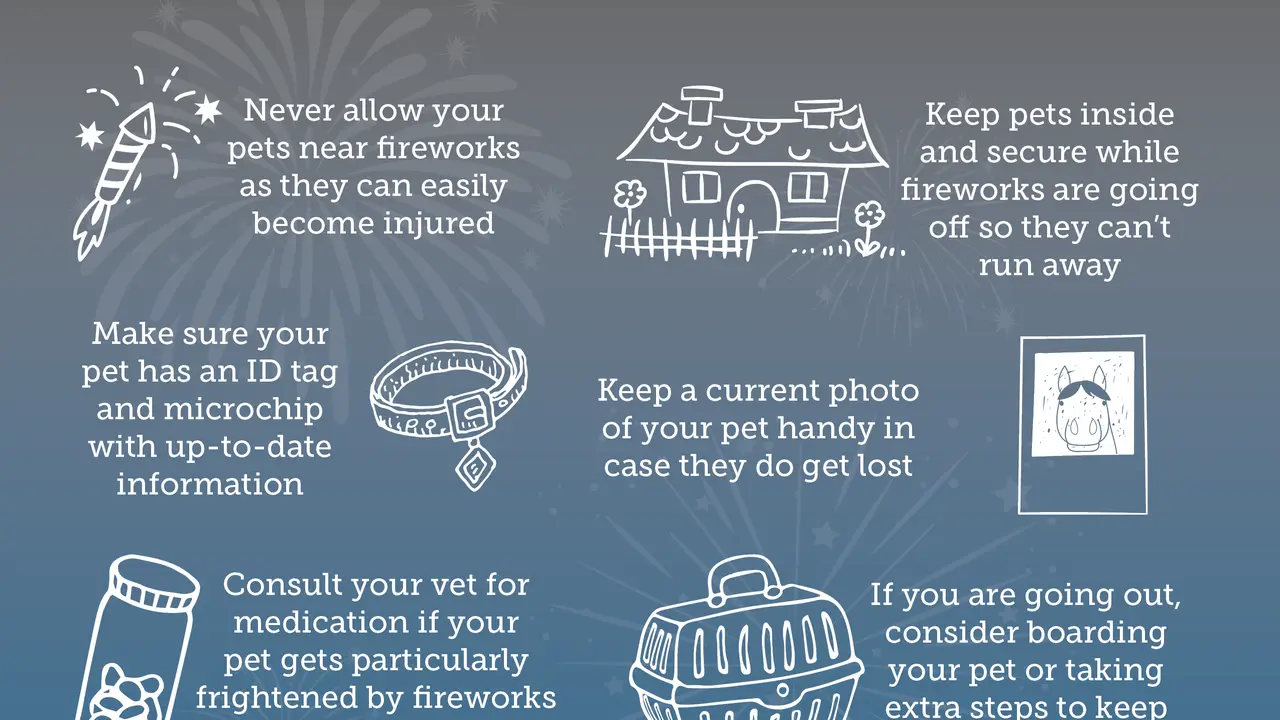
Tips for Managing Pet Stress During Fireworks
Understanding Pet Anxiety During Loud Noises
Fireworks, thunderstorms, and other loud, sudden noises can be incredibly distressing for many pets, especially dogs and cats. What might be a celebratory spectacle for us can be a terrifying ordeal for them. Their hearing is far more sensitive than ours, and the unpredictable nature of these sounds, combined with flashes of light, can trigger a primal fear response. This isn't just about being startled; it's a deep-seated anxiety that can manifest in various ways, from mild discomfort to full-blown panic attacks. Understanding the root of this anxiety is the first step in effectively managing it. It's not about your pet being 'naughty' or 'overdramatic'; it's a genuine physiological and psychological reaction to a perceived threat. Recognizing the signs of stress – panting, drooling, trembling, hiding, destructive behavior, excessive vocalization, or even trying to escape – is crucial. Early intervention and a proactive approach are always better than reacting to a full-blown panic.
Creating a Safe Haven for Your Pet During Noisy Events
One of the most effective strategies for managing pet stress during fireworks or thunderstorms is to create a designated safe space where your pet feels secure and protected. This isn't just a random corner; it's a carefully prepared sanctuary. Think of it as their personal bunker. This could be a quiet room, a large crate covered with a blanket, or even a closet. The key is to make it as soundproof as possible. Close windows and curtains to block out light flashes and muffle sounds. You can also use white noise machines, fans, or even play calming music (classical or reggae often works wonders for pets) to further mask the external noise. The goal is to create an environment where the outside world feels less intrusive and threatening. Make sure this safe haven is accessible to your pet well before the noisy event begins, so they can retreat there on their own terms. Include their favorite bed, blankets, toys, and a water bowl to make it comfortable and inviting. Some pet owners even set up a 'den' under a bed or in a large cupboard, as enclosed spaces can provide a sense of security.
Calming Strategies and Techniques for Anxious Pets
Beyond creating a safe space, there are several active calming strategies you can employ. Distraction is a powerful tool. Engage your pet in a favorite game, offer a high-value chew toy, or a puzzle feeder filled with treats. The act of chewing or problem-solving can be incredibly soothing and redirect their focus away from the scary sounds. Physical contact, if your pet finds it comforting, can also help. Gentle petting, holding, or even just sitting quietly with them can provide reassurance. However, avoid overly coddling or fussing over them when they are anxious, as this can inadvertently reinforce their fear. Instead, project a calm and confident demeanor. Your pet often mirrors your emotions, so if you're stressed, they're likely to be too. Desensitization and counter-conditioning, while long-term strategies, can also be very effective. This involves gradually exposing your pet to low-level recordings of fireworks sounds while pairing them with positive experiences, slowly increasing the volume over time. This should ideally be done with the guidance of a professional trainer or behaviorist.
Recommended Calming Products and Aids for Pet Anxiety
There's a wide array of products designed to help calm anxious pets. Let's dive into some popular and effective options, comparing their features, typical use cases, and approximate pricing.
ThunderShirts and Anxiety Wraps for Canine Comfort
ThunderShirts are perhaps one of the most well-known calming aids. They work on the principle of constant, gentle pressure, similar to swaddling a baby. This pressure has a calming effect on the nervous system, reducing anxiety. They are particularly effective for dogs with general anxiety, separation anxiety, and noise phobias. Many pet owners report significant improvements in their dog's behavior during fireworks or thunderstorms. They are made from a soft, breathable fabric and are easy to put on. While not a magic bullet for every dog, they have a high success rate.
* Product Example: ThunderShirt Classic Dog Anxiety Jacket
* Use Case: Best for dogs experiencing moderate to severe anxiety from loud noises, travel, or separation.
* Comparison: Other brands like American Kennel Club (AKC) also offer similar anxiety wraps. ThunderShirt is often considered the original and most widely recognized. The main difference lies in material, fit, and specific closure mechanisms. Some cheaper alternatives might not offer the same consistent pressure.
* Price Range: Typically ranges from $35 to $50, depending on the size.
Calming Diffusers and Sprays for Environmental Serenity
These products utilize synthetic pheromones that mimic the natural calming pheromones produced by lactating mother animals. For dogs, Adaptil (DAP - Dog Appeasing Pheromone) is commonly used, and for cats, Feliway (Feline Facial Pheromone). They come in various forms: diffusers that plug into an outlet and release pheromones into the air, and sprays that can be applied to bedding, crates, or car interiors. They create a calming environment, helping pets feel more secure and less stressed. They are particularly useful for general anxiety, multi-pet households, or when introducing pets to new environments.
* Product Example: Adaptil Calm Diffuser Kit (for dogs), Feliway Classic Diffuser Kit (for cats)
* Use Case: Ideal for creating a calming atmosphere in the home, especially during anticipated noisy events or when pets are left alone.
* Comparison: While both Adaptil and Feliway are leading brands, some generic pheromone products exist. The efficacy can vary, and it's often worth investing in the established brands for better results. Sprays offer more targeted application than diffusers.
* Price Range: Diffuser kits typically cost $25-$40, with refills around $20-$30. Sprays are usually $20-$35.
Natural Calming Supplements and Chews for Internal Support
Many natural supplements contain ingredients like L-Theanine, Chamomile, Valerian Root, or Hemp Extract (CBD). These ingredients are believed to promote relaxation without sedation. They can be given orally as chews, tablets, or liquids. It's important to start these supplements a few days or even weeks before an anticipated stressful event to allow them to build up in your pet's system. Always consult your veterinarian before introducing any new supplement, especially if your pet is on other medications.
* Product Example: Zesty Paws Calming Bites, Composure Pro Chews (VetriScience)
* Use Case: Suitable for pets with mild to moderate anxiety, or as a complementary aid to other calming strategies. Good for ongoing anxiety management.
* Comparison: The market for calming supplements is vast. Look for products with clear ingredient lists and reputable manufacturers. CBD products for pets are gaining popularity, but ensure they are third-party tested for purity and potency. Some brands focus on specific ingredients, while others offer a blend.
* Price Range: Varies widely, from $15-$50 for a month's supply, depending on the brand, ingredients, and quantity.
Noise-Canceling Headphones and Ear Protection for Sensitive Ears
Yes, pet-specific ear protection exists! Brands like Mutt Muffs offer noise-reducing headphones designed to fit comfortably over a dog's ears. These can significantly muffle loud sounds, making them less jarring for sensitive pets. They are particularly useful for dogs who are extremely reactive to noise and where other methods might not be sufficient. They require some training to get your pet accustomed to wearing them, but for some, they can be a game-changer.
* Product Example: Mutt Muffs Hearing Protection for Dogs
* Use Case: Best for dogs with extreme noise phobias, or for use in very loud environments like concerts or shooting ranges (if you take your dog there).
* Comparison: Fewer direct competitors in this niche. The main consideration is fit and comfort for your specific dog's head shape. Some DIY solutions involve cotton balls, but these are less effective and potentially unsafe.
* Price Range: Typically $50-$75.
Interactive Toys and Puzzle Feeders for Distraction and Engagement
While not directly calming aids in the chemical sense, interactive toys and puzzle feeders are invaluable for distraction. A pet that is mentally engaged in solving a puzzle or working for a treat is less likely to focus on external stressors. Licking mats, Kongs stuffed with frozen treats, or snuffle mats can keep them occupied for extended periods. The act of licking and chewing is also inherently calming for many animals.
* Product Example: KONG Classic Dog Toy, LickiMat Soother
* Use Case: Excellent for mild anxiety, general enrichment, and as a distraction during short bursts of noise.
* Comparison: A huge variety of puzzle toys exist, from beginner to advanced. Choose based on your pet's chewing habits and intelligence level. Durability is key.
* Price Range: $10-$30, depending on complexity and brand.
Long-Term Strategies for Noise Phobia Management
While immediate solutions are helpful, addressing noise phobia effectively often requires a long-term approach. Desensitization and counter-conditioning, as mentioned earlier, are key. This involves gradually exposing your pet to the scary sound at a very low volume, paired with positive reinforcement (treats, praise, play). Over time, the volume is slowly increased, helping your pet associate the sound with positive experiences rather than fear. This process requires patience and consistency, and ideally, guidance from a certified professional dog trainer or veterinary behaviorist. They can help you develop a tailored plan and ensure you're progressing at a pace that's comfortable for your pet. Environmental enrichment, regular exercise, and a consistent routine can also contribute to a pet's overall well-being and resilience to stress. A well-exercised and mentally stimulated pet is generally less prone to anxiety. Consider enrolling in obedience classes or engaging in dog sports to build confidence and strengthen your bond.
When to Seek Professional Veterinary or Behavioral Help
Sometimes, despite your best efforts, a pet's anxiety can be severe and debilitating. If your pet's fear of fireworks or other loud noises is causing them significant distress, leading to destructive behavior, self-harm, or extreme panic, it's time to consult a professional. Your veterinarian can rule out any underlying medical conditions that might be contributing to the anxiety and may prescribe anti-anxiety medication if appropriate. For behavioral issues, a certified veterinary behaviorist or a professional dog trainer specializing in fear and anxiety can provide invaluable guidance. They can assess your pet's specific situation, develop a comprehensive behavior modification plan, and teach you advanced techniques to help your pet cope. Remember, seeking professional help is a sign of responsible pet ownership, not failure. Your pet's well-being is paramount, and sometimes, they need a little extra help to navigate a scary world.
:max_bytes(150000):strip_icc()/277019-baked-pork-chops-with-cream-of-mushroom-soup-DDMFS-beauty-4x3-BG-7505-5762b731cf30447d9cbbbbbf387beafa.jpg)