Understanding Pet Poison Control Hotlines
Know when and how to contact pet poison control in case of holiday emergencies.
Know when and how to contact pet poison control in case of holiday emergencies. The holiday season, while joyous for us, can present a unique set of hazards for our beloved pets. From festive decorations to tempting treats, many common holiday items can be toxic to animals. Being prepared is key, and knowing how and when to contact pet poison control hotlines is an essential part of responsible pet ownership, especially during these busy times.
Understanding Pet Poison Control Hotlines Your Lifeline in Holiday Emergencies
The holidays are a wonderful time of year, filled with family, friends, and festivities. But for pet owners, this season also brings a heightened awareness of potential dangers lurking around the home. Our curious companions often get into things they shouldn't, and during the holidays, the list of tempting but toxic items expands significantly. This is where pet poison control hotlines become your invaluable lifeline. They are staffed by veterinary toxicology experts who can provide immediate, life-saving advice when every second counts.
Why Pet Poison Control Hotlines Are Crucial for Holiday Pet Safety
During the holidays, our homes transform. We bring in new plants, decorations, foods, and even guests, all of which can introduce new risks to our pets. A pet poison control hotline offers specialized expertise that your regular veterinarian might not have readily available, especially in an emergency. These services maintain extensive databases of toxic substances and their effects on animals, allowing them to quickly assess the situation and guide you on the best course of action. They can tell you if a substance is truly dangerous, what symptoms to look for, and whether immediate veterinary intervention is necessary. This can save you a frantic, potentially unnecessary, trip to the emergency vet, or more importantly, guide you to critical care when it's truly needed.
When to Call Pet Poison Control Recognizing the Signs of Pet Poisoning
It's not always obvious when your pet has ingested something harmful. Sometimes, symptoms appear immediately, while other times, they can be delayed. Knowing what to look for is crucial. Common signs of poisoning in pets can include vomiting, diarrhea, lethargy, excessive drooling, tremors, seizures, difficulty breathing, loss of appetite, increased thirst or urination, hyperactivity, or even just unusual behavior. If you suspect your pet has ingested something toxic, or if they are exhibiting any of these symptoms without a clear cause, it's always best to err on the side of caution and call a poison control hotline. Don't wait for symptoms to worsen. Early intervention can make a significant difference in the outcome.
Key Pet Poison Control Hotlines and Their Services
In the United States, there are two primary pet poison control hotlines that are widely recognized and utilized:
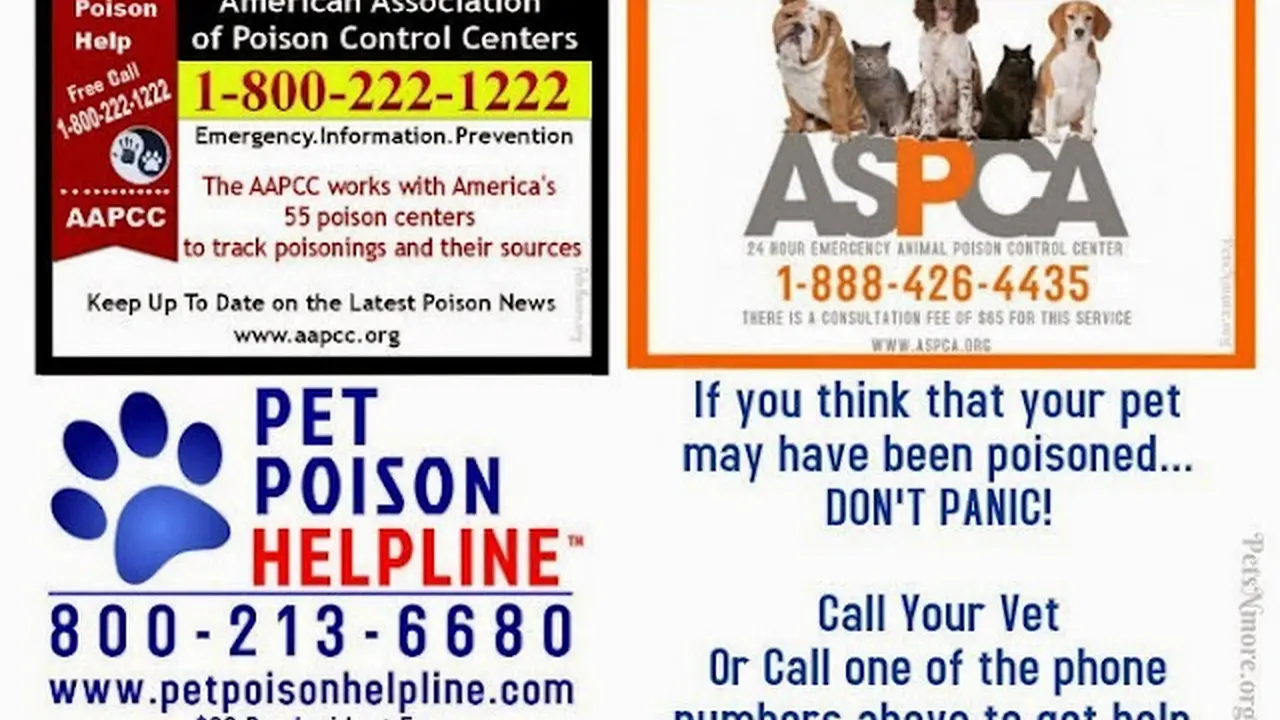
ASPCA Animal Poison Control Center APCC
The ASPCA Animal Poison Control Center (APCC) is one of the most well-known and trusted resources. They operate 24 hours a day, 365 days a year. When you call, you'll speak with a licensed veterinarian or veterinary technician who specializes in toxicology. They will ask you a series of questions about your pet, the suspected toxin, the amount ingested, and any symptoms your pet is showing. Based on this information, they will provide immediate guidance, which may include instructions for at-home care, recommendations to induce vomiting (only if safe and appropriate), or advice to seek immediate veterinary attention. They also work directly with your veterinarian, providing them with case numbers and detailed information to ensure seamless care. There is a consultation fee for their services, which can typically be paid by credit card over the phone.
- Website: www.aspca.org/pet-care/animal-poison-control
- Phone Number: (888) 426-4435
- Fee: A per-case fee applies, typically around $75-$85, which covers the consultation and follow-up calls.
- Key Features: 24/7 availability, direct consultation with veterinary toxicologists, case number provided for your vet, extensive database of toxins.
- Use Case: Ideal for any suspected poisoning, especially when you need immediate, expert advice and a detailed plan of action for your vet.
Pet Poison Helpline PPH
The Pet Poison Helpline (PPH) is another excellent 24/7 animal poison control service. Similar to the ASPCA APCC, they are staffed by veterinary professionals trained in toxicology. They offer immediate assistance and follow-up care. Their process involves gathering information about the incident and then providing tailored advice. They also offer a mobile app that can help identify common toxins and provide quick access to their hotline. Like the ASPCA, there is a consultation fee for their services.
- Website: www.petpoisonhelpline.com
- Phone Number: (855) 764-7661
- Fee: A per-case fee applies, typically around $75-$85, which covers the consultation and follow-up calls.
- Key Features: 24/7 availability, board-certified veterinary toxicologists, follow-up calls, mobile app for quick reference.
- Use Case: Excellent for immediate poisoning concerns, offering comprehensive support and a user-friendly app for quick information.
Preparing for a Poison Emergency What Information to Have Ready
When you call a pet poison control hotline, time is of the essence. Being prepared with key information can significantly speed up the process and help the experts provide the most accurate advice. Before you call, try to gather the following:
- Your Pet's Information: Species (dog, cat, etc.), breed, age, sex, weight, and any pre-existing medical conditions or medications they are currently on.
- The Suspected Toxin: The exact name of the product or substance (e.g., chocolate type, plant name, medication name). If it's a product, have the packaging or label handy, as it often contains ingredients and concentrations.
- Amount Ingested: Your best estimate of how much your pet ate or was exposed to. Even a rough idea is helpful (e.g., 'a few bites,' 'half a pill,' 'licked the spill').
- Time of Exposure: When did the incident occur? This helps determine how much of the substance might have been absorbed.
- Symptoms: A detailed description of any symptoms your pet is showing, when they started, and if they are worsening.
- Your Contact Information: Your name and a phone number where you can be reached.
- Your Veterinarian's Information: Name and phone number of your regular vet, as the hotline may want to communicate directly with them.
Common Holiday Toxins to Watch Out For Pet Proofing Your Home
The holidays bring a unique array of potential toxins into our homes. Being aware of these can help you proactively pet-proof your environment:
Food Related Toxins
- Chocolate: Contains theobromine, highly toxic to dogs and cats. Dark chocolate and baking chocolate are the most dangerous.
- Xylitol: A sugar substitute found in many sugar-free gums, candies, baked goods, and even some peanut butters. Extremely toxic to dogs, causing rapid insulin release and liver failure.
- Grapes and Raisins: Can cause kidney failure in dogs, even in small amounts.
- Onions, Garlic, Chives: Can cause red blood cell damage in dogs and cats.
- Alcohol: Found in drinks and some food items. Can cause intoxication, vomiting, diarrhea, and central nervous system depression.
- Macadamia Nuts: Can cause weakness, tremors, and hyperthermia in dogs.
- Fatty Foods: Gravy, turkey skin, ham, etc., can cause pancreatitis in pets.
- Bones: Cooked bones can splinter and cause choking or internal damage.
- Yeast Dough: Can expand in the stomach, causing bloating and potentially alcohol poisoning.
Plant Related Toxins
- Poinsettias: Often overrated in toxicity, they can cause mild gastrointestinal upset.
- Holly and Mistletoe: Can cause gastrointestinal upset, and in larger quantities, more severe symptoms.
- Lilies: Extremely toxic to cats, even small ingestions can cause kidney failure.
- Amaryllis: Can cause vomiting, diarrhea, and tremors.
- Christmas Trees (Pine Needles): Can cause mild mouth irritation and gastrointestinal upset.
Decoration and Household Toxins
- Ornaments and Tinsel: Can cause gastrointestinal obstruction if ingested. Tinsel is especially attractive to cats.
- Snow Globes: Many contain antifreeze (ethylene glycol), which is highly toxic and lethal even in small amounts.
- Liquid Potpourri: Can cause severe chemical burns to the mouth and esophagus.
- Batteries: Can cause chemical burns and heavy metal poisoning if chewed or ingested.
- Antifreeze: Extremely toxic and often has a sweet taste that attracts pets.
- Rodenticides and Insecticides: Highly toxic and often flavored to attract pests, making them appealing to pets.
- Medications: Human medications (prescription and over-the-counter) are a leading cause of pet poisoning. Keep all medications securely stored.
Proactive Measures Preventing Holiday Pet Poisoning
Prevention is always the best medicine. Here are some tips to keep your pets safe during the holidays:
- Secure Food: Keep all human food, especially holiday treats, out of paw's reach. Don't leave plates unattended.
- Pet-Proof Decorations: Place ornaments, tinsel, and lights high up on the tree or out of reach. Consider using pet-safe decorations.
- Choose Safe Plants: Opt for artificial plants or pet-safe alternatives if you have curious chewers.
- Store Medications Safely: Keep all human and pet medications in secure, elevated cabinets.
- Supervise Guests: Inform guests about your pet's dietary restrictions and ask them not to feed your pet table scraps.
- Secure Trash Cans: Use trash cans with secure lids to prevent pets from rummaging through discarded food or wrappers.
- Clean Spills Immediately: Promptly clean up any spills of food, drinks, or household chemicals.
- Know Your Pet: Understand your pet's habits. If they are known chewers or counter-surfers, take extra precautions.
Beyond the Hotline What to Do After a Call
After speaking with a pet poison control hotline, they will provide you with specific instructions. It's crucial to follow these instructions carefully. They may advise you to:
- Monitor Your Pet at Home: For mild exposures, they might recommend monitoring your pet for specific symptoms and providing supportive care.
- Induce Vomiting: ONLY do this if instructed by the hotline. Inducing vomiting can be dangerous in certain situations (e.g., if the substance is corrosive, if the pet is already vomiting, or if the pet is lethargic). They will tell you if it's safe and how to do it (often with hydrogen peroxide).
- Administer Activated Charcoal: Again, ONLY if instructed. Activated charcoal can absorb toxins in the digestive tract, but it must be given correctly.
- Seek Immediate Veterinary Care: For serious exposures, they will advise you to go to your veterinarian or an emergency veterinary clinic immediately. They will provide a case number and communicate directly with your vet, streamlining the treatment process.
Always remember to keep the hotline's case number handy, as you or your veterinarian may need to call back for follow-up advice or to provide updates on your pet's condition.
Recommended Products for Pet Emergency Preparedness
While poison control hotlines are your first line of defense, having a few key items on hand can be beneficial for immediate response, always under the guidance of a professional.
1. Hydrogen Peroxide 3% Solution
- Description: A common household antiseptic that can be used to induce vomiting in dogs (but NOT cats) when instructed by a veterinarian or poison control expert.
- Use Case: For immediate, veterinarian-advised induction of vomiting after ingestion of certain toxins.
- Comparison: Safer than other methods of inducing vomiting, but still requires professional guidance.
- Price: Very affordable, typically $1-$5 for a bottle.
- Where to Buy: Any pharmacy or grocery store.
- Important Note: Never administer without explicit instructions from a vet or poison control. Incorrect use can be harmful.
2. Activated Charcoal Powder or Liquid
- Description: A highly absorbent substance that can bind to toxins in the gastrointestinal tract, preventing their absorption into the bloodstream.
- Use Case: To absorb ingested toxins, as directed by a vet or poison control.
- Comparison: Available in powder (mix with water) or pre-mixed liquid forms. Liquid is often easier to administer.
- Price: Varies, typically $10-$30 depending on form and brand.
- Where to Buy: Pet supply stores, online retailers, some pharmacies.
- Recommended Product: Vet Activated Charcoal Liquid (e.g., from VETone or similar brands). These are often formulated for easier pet administration.
- Important Note: Only administer under professional guidance. Can cause constipation or other issues if used improperly.
3. Pet First Aid Kit
- Description: A comprehensive kit containing essential supplies for various pet emergencies, including bandages, antiseptic wipes, gauze, and sometimes even a muzzle.
- Use Case: For general emergency preparedness, including minor injuries or to stabilize a pet before veterinary care. While not directly for poisoning, it's a crucial part of overall safety.
- Comparison: Many brands offer pre-assembled kits. Look for ones that are well-stocked and durable.
- Price: $20-$60, depending on size and contents.
- Recommended Product: Adventure Medical Kits Trail Dog First Aid Kit or Kurgo Pet First Aid Kit. These are well-regarded for their comprehensive contents and portability.
- Important Note: Familiarize yourself with the contents and how to use them before an emergency arises.
4. Pet Carrier or Crate
- Description: A secure and comfortable way to transport your pet to the vet in an emergency.
- Use Case: Essential for safe and stress-free transport of an injured or sick pet.
- Comparison: Hard-sided carriers offer more protection, while soft-sided ones are lighter. Choose based on your pet's size and temperament.
- Price: $30-$100+, depending on size and material.
- Recommended Product: Petmate Vari Kennel (hard-sided for durability and safety) or Sherpa Original Deluxe Pet Carrier (soft-sided, airline approved for smaller pets).
- Important Note: Ensure your pet is comfortable with their carrier before an emergency.
5. Emergency Contact List Magnet or Sticker
- Description: A visible list of emergency numbers (your vet, emergency vet, poison control hotlines) placed on your fridge or near your phone.
- Use Case: Quick access to critical numbers when panic sets in.
- Comparison: DIY or pre-printed options. The key is visibility and accessibility.
- Price: Minimal, often free if you print it yourself.
- Where to Buy: Create your own or look for printable templates online.
- Recommended Product: A simple laminated card or magnet you create yourself with all relevant numbers.
- Important Note: Update it regularly with current numbers.
Being prepared for a pet emergency, especially during the bustling holiday season, is a testament to responsible pet ownership. Knowing the signs of poisoning, having the contact information for pet poison control hotlines readily available, and understanding what information to provide can make all the difference. These services are staffed by dedicated professionals who are ready to help you navigate a scary situation and ensure the best possible outcome for your beloved companion. Stay vigilant, pet-proof your home, and enjoy a safe and happy holiday season with your furry family members.
:max_bytes(150000):strip_icc()/277019-baked-pork-chops-with-cream-of-mushroom-soup-DDMFS-beauty-4x3-BG-7505-5762b731cf30447d9cbbbbbf387beafa.jpg)