Navigate international pet travel regulations with our comprehensive guide for holiday flights.
Navigate international pet travel regulations with our comprehensive guide for holiday flights.
Tips for Flying with Pets Internationally Your Ultimate Guide
Understanding International Pet Travel Regulations and Requirements
Flying with your beloved pet internationally for a holiday can be an exciting adventure, but it's also a complex process filled with regulations, paperwork, and careful planning. Unlike domestic travel, international pet travel involves navigating the specific import requirements of your destination country, which can vary wildly. These requirements often include specific vaccinations, microchipping, health certificates, and sometimes even quarantine periods. The key to a smooth journey is meticulous preparation and understanding that each country has its own set of rules designed to protect its animal population from diseases.
For instance, countries like Australia and New Zealand have very strict quarantine laws due to their unique ecosystems, often requiring pets to undergo a lengthy quarantine period upon arrival, even if all other requirements are met. On the other hand, many European Union countries operate under a more unified system, often requiring an EU Pet Passport, up-to-date rabies vaccinations, and a health certificate issued by a licensed veterinarian. It's crucial to start your research early, ideally six months to a year before your planned travel date, as some processes, like rabies antibody titrations, can take several months to complete.
Beyond the destination country's rules, you also need to consider the regulations of your chosen airline. Airlines have their own policies regarding pet travel, including breed restrictions, crate specifications, temperature embargoes, and whether your pet can travel in the cabin or must go as checked baggage or cargo. Some airlines are more pet-friendly than others, offering specialized services or more flexible options. Always check with the airline directly and confirm their specific requirements, as these can change.
Choosing the Right Airline for International Pet Travel A Comparative Review
Selecting the right airline is paramount for a stress-free international pet travel experience. Not all airlines are created equal when it comes to accommodating furry passengers. Some airlines have a reputation for being more pet-friendly, offering better services, and having clearer policies. Here's a comparison of some popular airlines and their general approaches to international pet travel:
Lufthansa Pet Travel Excellence and Comfort
Lufthansa is often cited as one of the best airlines for pet travel, particularly for international routes. They have a dedicated animal lounge at Frankfurt Airport, offering comfortable resting areas for pets during layovers. Lufthansa allows small pets (dogs and cats) in the cabin if their combined weight with the carrier does not exceed 8 kg (17 lbs). Larger pets must travel as excess baggage in the air-conditioned cargo hold. They have strict crate requirements, emphasizing proper ventilation and size. Lufthansa's staff are generally well-trained in handling live animals, and their booking process for pets is relatively straightforward, though it requires early reservation due to limited space. Their fees are competitive, typically ranging from $150 to $400 depending on the route and pet size.
KLM Royal Dutch Airlines Pet Travel Expertise and Care
KLM is another highly-rated airline for pet travel, known for its careful handling of animals. Similar to Lufthansa, small pets can travel in the cabin if they meet the weight and carrier dimensions. Larger pets travel in the climate-controlled cargo hold. KLM has specific rules regarding brachycephalic (snub-nosed) breeds, often restricting their travel due to respiratory risks. They also have a dedicated animal hotel at Amsterdam Schiphol Airport for pets with long layovers. KLM's booking system for pets is integrated into their regular booking, making it relatively easy to add your pet. Their fees are comparable to Lufthansa's, varying by destination and pet size.
Air France Pet Travel Options and Considerations
Air France offers pet travel options similar to its European counterparts. Small dogs and cats can travel in the cabin, provided their carrier fits under the seat and the combined weight is within limits (usually 6-8 kg). Larger animals travel in the cargo hold. Air France also has restrictions on certain breeds and requires specific crate types. They are generally reliable, but it's always advisable to book well in advance as pet spaces are limited. Their pricing is in line with other major European carriers.
United Airlines PetSafe Program for US Based Travelers
For those traveling from or to the US, United Airlines' PetSafe program is a popular choice. This program is specifically designed for pets traveling as cargo, offering climate-controlled vehicles and holding areas, and trained animal handlers. They have a comprehensive booking process that includes a health check and specific crate requirements. United's PetSafe program is generally well-regarded for its safety protocols, though it can be more expensive than other options. They do not allow pets in the cabin for international flights, except for service animals. Prices vary significantly based on pet size, crate dimensions, and destination, often ranging from $500 to over $1000.
Delta Air Lines Pet Travel Policies and Restrictions
Delta allows small pets in the cabin on international flights, provided they fit under the seat. For larger pets, Delta generally transports them as cargo through their Delta Cargo service. However, Delta has implemented significant restrictions on pet travel, especially for international routes, often due to temperature extremes or specific country regulations. It's crucial to check their most up-to-date policies, as they can be quite restrictive. Their fees are competitive for in-cabin pets, but cargo rates can be higher.
When comparing airlines, consider not just the price, but also their reputation for pet safety, their specific policies for your pet's breed and size, and the level of support they offer. Reading reviews from other pet owners can also provide valuable insights.
Essential Pet Travel Gear for International Flights Top Products and Reviews
Having the right gear is crucial for your pet's comfort and safety during international travel. From carriers to calming aids, these products can make a significant difference in your pet's journey.
Airline Approved Pet Carriers for Cabin and Cargo
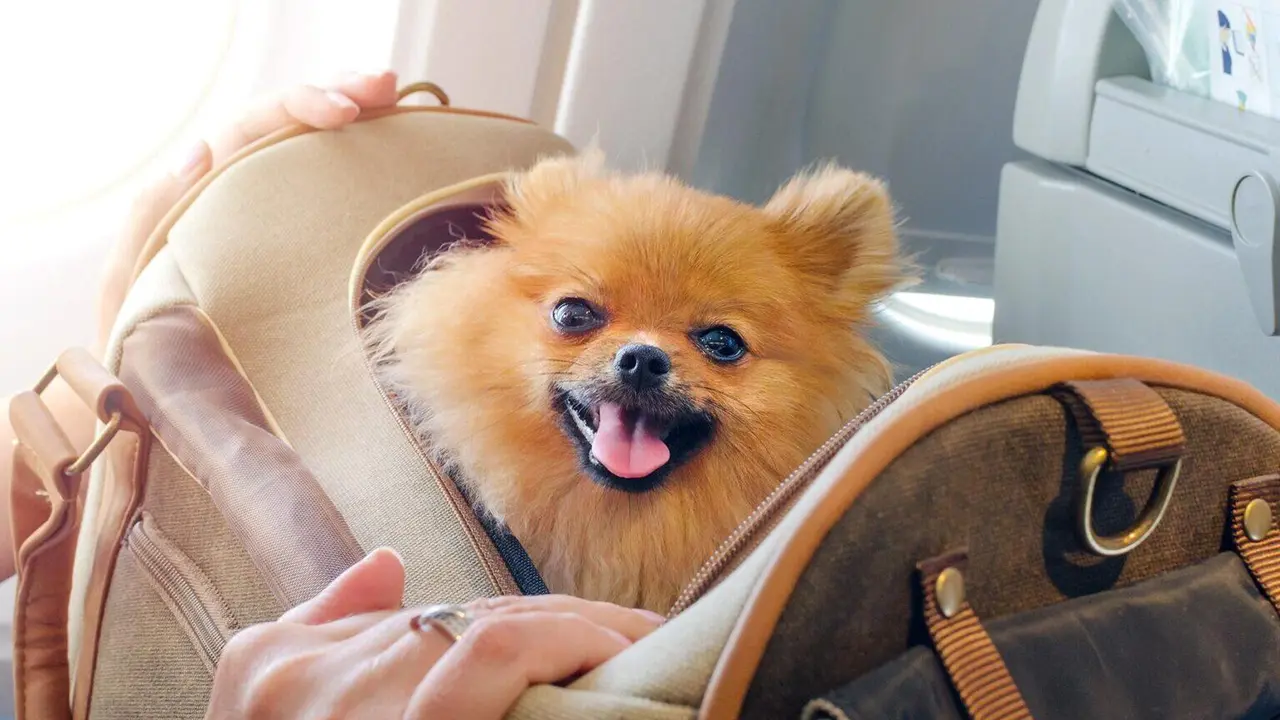
Choosing an airline-approved carrier is non-negotiable. For in-cabin travel, soft-sided carriers are often preferred as they are more flexible and can fit under the seat. For cargo travel, hard-sided crates are mandatory and must meet IATA (International Air Transport Association) Live Animal Regulations.
* Sherpa Original Deluxe Pet Carrier (Soft-Sided): This carrier is a popular choice for in-cabin travel. It features mesh windows for ventilation, a comfortable faux lambskin liner, and a spring wire frame that allows the rear end of the carrier to be pushed down to conform to under-seat dimensions. It's available in various sizes to accommodate different small pets. Many airlines approve Sherpa carriers, but always double-check the specific dimensions required by your airline. Prices typically range from $40 to $80.
* Petmate Sky Kennel (Hard-Sided): For cargo travel, the Petmate Sky Kennel is a widely recommended option. It's IATA compliant, featuring durable plastic construction, proper ventilation on all sides, a secure door latch, and often includes 'Live Animal' stickers and a 'This Way Up' indicator. It comes in a wide range of sizes to fit almost any dog or cat. Ensure you choose a size that allows your pet to stand up, turn around, and lie down comfortably. Prices vary significantly by size, from $70 for small to $300+ for extra-large.
Portable Pet Bowls and Water Dispensers for Hydration
Keeping your pet hydrated is vital, especially during long flights and layovers. Portable bowls and water dispensers are essential.
* Ruffwear Bivy Bowl (Collapsible): This lightweight, collapsible fabric bowl is perfect for travel. It's waterproof and can hold both food and water. It folds flat for easy packing and is durable enough for repeated use. Ideal for quick stops during layovers. Priced around $20-$30.
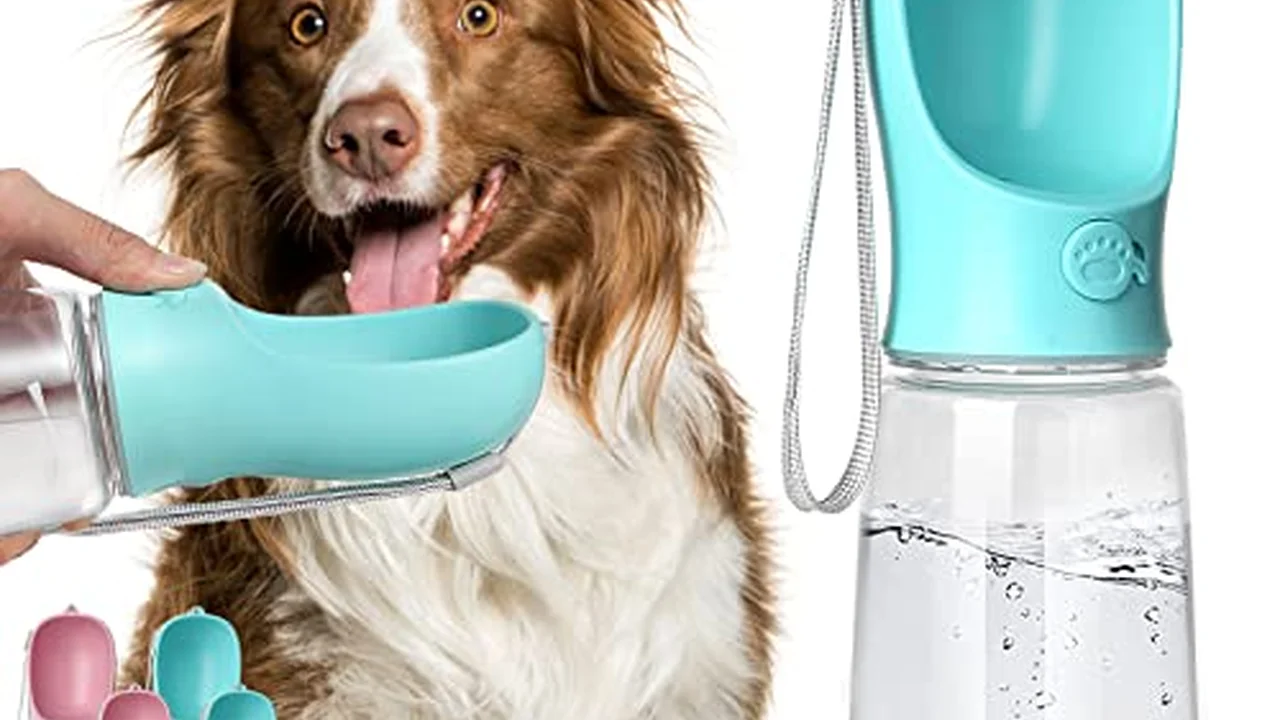
* MalsiPree Dog Water Bottle: This innovative bottle combines a water dispenser and a bowl in one. You simply press a button to dispense water into the attached cup, and any unused water can be drained back into the bottle, minimizing waste. It's leak-proof and easy to carry. Great for ensuring your pet has fresh water on demand. Costs about $15-$25.
Calming Aids and Comfort Items for Anxious Pets
Travel can be stressful for pets. Calming aids and familiar comfort items can help reduce anxiety.
* ThunderShirt Classic Dog Anxiety Vest: This vest applies gentle, constant pressure, similar to swaddling an infant, which can have a calming effect on anxious dogs. It's drug-free and can be very effective for travel anxiety, thunderstorms, or fireworks. Available for various dog sizes. Prices range from $40 to $60.
* Adaptil/Feliway Diffusers and Sprays: These products release synthetic pheromones that mimic natural calming pheromones produced by mother dogs (Adaptil) or cats (Feliway). Sprays can be applied to the carrier or bedding about 15-30 minutes before travel. Diffusers are great for use in hotel rooms. A spray bottle typically costs $25-$40.
* Familiar Blanket or Toy: Always include a blanket or toy with your scent on it in the carrier. The familiar smell can provide comfort and reduce stress in an unfamiliar environment. This is a free but invaluable item.
Pet First Aid Kit for Travel Emergencies
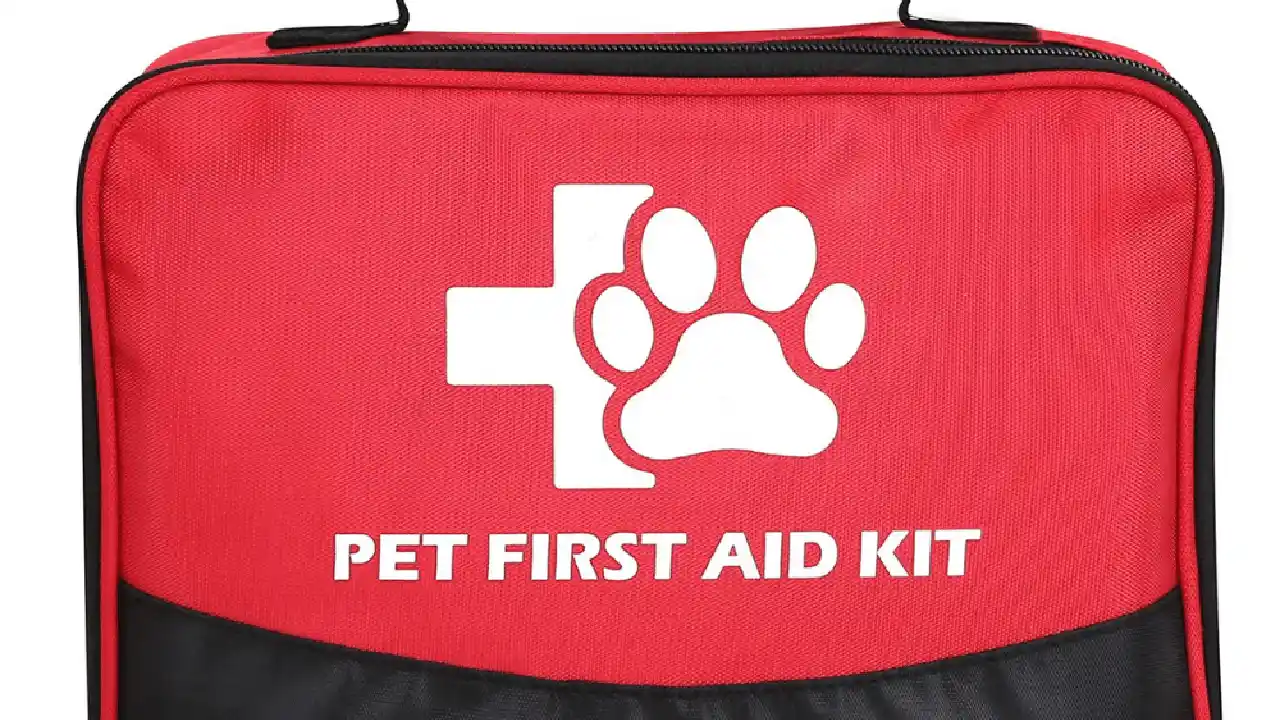
A basic first aid kit is a must-have for any pet travel, especially internationally.
* Adventure Medical Kits Trail Dog First Aid Kit: This compact kit is designed specifically for dogs and includes essentials like bandages, antiseptic wipes, tweezers, and a pet first aid guide. It's lightweight and easy to pack. Priced around $25-$35.
Remember to pack all necessary medications, copies of health records, and contact information for your vet and an emergency vet at your destination.
Navigating Health Certificates and Veterinary Requirements for International Travel
The health certificate is arguably the most critical document for international pet travel. It's a legal document issued by a licensed veterinarian, certifying that your pet is healthy enough to travel and meets all the import requirements of the destination country. The process for obtaining this certificate is precise and time-sensitive.
Rabies Vaccination and Titre Tests The Cornerstone of International Pet Health
Almost all countries require an up-to-date rabies vaccination. However, many countries, especially those considered rabies-free (like the UK, Japan, Australia, New Zealand, and some EU countries), also require a rabies antibody titre test (FAVN test). This blood test measures the level of rabies antibodies in your pet's blood, ensuring the vaccination was effective. The blood sample must be taken a certain number of days after vaccination and a specific number of months before entry into the destination country. For example, the EU requires the sample to be taken at least 30 days after vaccination and at least three months before the travel date. This waiting period is why early planning is essential.
Microchipping and Identification for Seamless Entry
Microchipping is mandatory for international pet travel. The microchip must be ISO-compliant (15-digit, non-encrypted) and implanted *before* the rabies vaccination. This is crucial because the microchip number must be recorded on all vaccination records and health certificates, linking your pet to their medical history. If your pet already has a microchip that is not ISO-compliant, you may need to get a second, compliant one, or carry your own microchip reader.
USDA APHIS Endorsement and Official Sign-Off
For pets traveling from the United States, the health certificate often needs to be endorsed by the USDA (United States Department of Agriculture) APHIS (Animal and Plant Health Inspection Service). This endorsement certifies that the veterinarian who issued the certificate is licensed and that the information is accurate. The endorsement process can be done via mail or in person at a USDA APHIS Veterinary Services office. Some countries require the endorsement to be done within a very specific timeframe (e.g., 10 days before travel), adding another layer of time sensitivity.
Pre-Travel Veterinary Examinations and Treatments
In addition to vaccinations, many countries require specific treatments before entry. These can include internal parasite treatments (e.g., for tapeworms) and external parasite treatments (e.g., for ticks and fleas). These treatments often need to be administered by a vet within a specific window before travel (e.g., 24-120 hours before arrival). Your veterinarian will guide you through the exact requirements for your destination.
Always work closely with your veterinarian, ideally one experienced in international pet travel, to ensure all health requirements are met. They can help you navigate the complex paperwork and timelines.
Managing Pet Stress and Comfort During Long International Journeys
Long international flights can be stressful for pets. Minimizing their anxiety and ensuring their comfort is key to a successful journey.
Pre-Flight Acclimation to the Carrier
Start acclimating your pet to their travel carrier weeks or even months before the flight. Make the carrier a positive space by placing treats, toys, and comfortable bedding inside. Encourage your pet to sleep in it, eat in it, and spend time there voluntarily. This will help them associate the carrier with safety and comfort, rather than a scary, unfamiliar place.
Exercise and Potty Breaks Before Departure
On the day of travel, ensure your pet gets plenty of exercise before heading to the airport. A long walk or play session can help them burn off energy and be more relaxed during the flight. Also, make sure they have ample opportunities for potty breaks right before check-in. For cargo pets, attach a small bag of their food to the crate, along with feeding instructions, in case of delays.
Food and Water Management During Travel
For pets traveling in cargo, airlines usually require water bowls to be attached to the inside of the crate door, accessible from the outside for airline staff to refill. For in-cabin pets, offer small amounts of water periodically. Avoid giving your pet a large meal right before the flight, as this can lead to an upset stomach. A light meal a few hours before departure is usually sufficient.
Considerations for Sedation and Calming Medications
While it might seem intuitive to sedate an anxious pet for a flight, most veterinarians and airlines strongly advise against it, especially for pets traveling in cargo. Sedatives can interfere with a pet's ability to regulate their body temperature and balance, which can be dangerous at altitude or in unfamiliar environments. If your pet is extremely anxious, discuss non-sedative calming options with your vet, such as pheromone sprays, calming treats, or natural supplements, well in advance to see how your pet reacts.
Post-Arrival Care and Adjustment
Upon arrival, give your pet immediate access to water and a potty break. Allow them time to decompress in a quiet, safe space. It may take a few days for them to adjust to the new environment, time zone, and routine. Maintain their regular feeding schedule and provide plenty of reassurance and familiar comforts.
Common Pitfalls and How to Avoid Them in International Pet Travel
International pet travel is fraught with potential pitfalls. Being aware of these common issues can help you avoid costly mistakes and unnecessary stress.
Missing or Incorrect Paperwork The Biggest Hurdle
The most common reason for pets being denied boarding or entry is incomplete or incorrect paperwork. Even a single missing signature, an incorrect date, or a non-compliant microchip can derail your plans. To avoid this, create a checklist of all required documents for your destination country and airline. Double-check every detail, and consider having a third party (like a pet relocation service or another vet) review your documents.
Underestimating Timeframes for Vaccinations and Tests
Many required vaccinations and tests have specific waiting periods before travel. For example, the rabies titre test often requires a 3-month waiting period after the blood draw. If you miss these deadlines, you'll have to postpone your trip, potentially by several months. Start planning at least 6-12 months in advance, especially for countries with strict import rules.
Ignoring Airline Specific Pet Policies and Restrictions
Each airline has its own set of rules regarding pet travel, including breed restrictions (especially for brachycephalic breeds), temperature embargoes (airlines may refuse to transport pets in cargo during extreme hot or cold weather), and specific crate requirements. Failing to comply with these can lead to your pet being denied boarding. Always check the airline's pet policy directly on their website or by calling their cargo department.
Not Booking Pet Space in Advance
Pet spaces on flights, especially in the cabin or cargo, are limited. Many airlines only allow a certain number of pets per flight. If you don't book your pet's spot well in advance, you might find the flight fully booked for pets, even if there are human seats available. Book your pet's travel as soon as your own flight is confirmed.
Lack of Proper Crate Training and Acclimation
A pet that is not comfortable in their crate will experience significant stress during travel. If your pet views their crate as a punishment or an unfamiliar space, the journey will be much harder for them. Invest time in positive crate training, making the crate a safe and comfortable den for your pet long before travel day.
Overlooking Layover Requirements and Transit Rules
If your international flight involves a layover in a third country, you need to be aware of that country's transit regulations for pets. Some countries may require additional paperwork or even a transit permit, even if your pet is not officially entering the country. Check with the embassy or consulate of any transit countries.
By being proactive, meticulous, and patient, you can significantly reduce the risks and ensure a smoother, safer international travel experience for your beloved pet.
:max_bytes(150000):strip_icc()/277019-baked-pork-chops-with-cream-of-mushroom-soup-DDMFS-beauty-4x3-BG-7505-5762b731cf30447d9cbbbbbf387beafa.jpg)