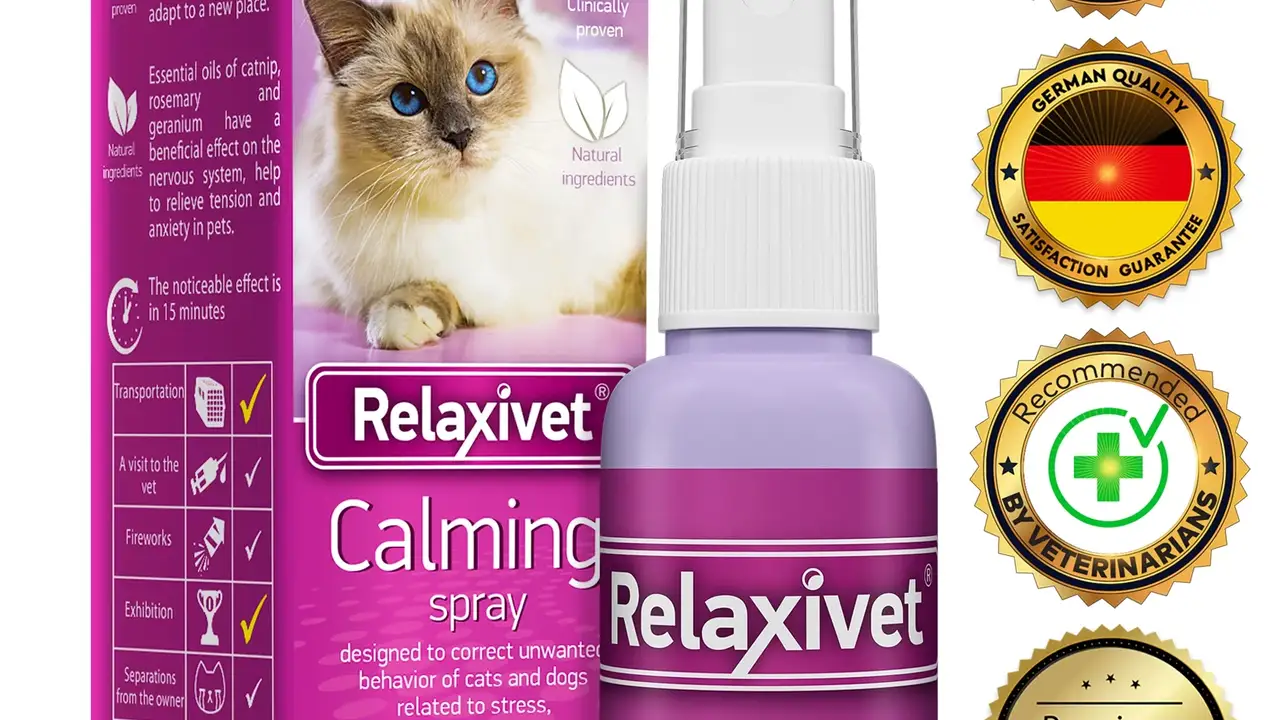
Choosing the Right Pet First Aid Kit for Travel
{ "article": [ { "title": "Choosing the Right Pet First Aid Kit for Travel", "meta_description": "Prepare for emergencies with our guide to selecting the best pet first aid kit for holiday travel.", "content": "Prepare for emergencies with our guide to selecting the best pet first aid kit for holiday travel.\n\n
\n\n
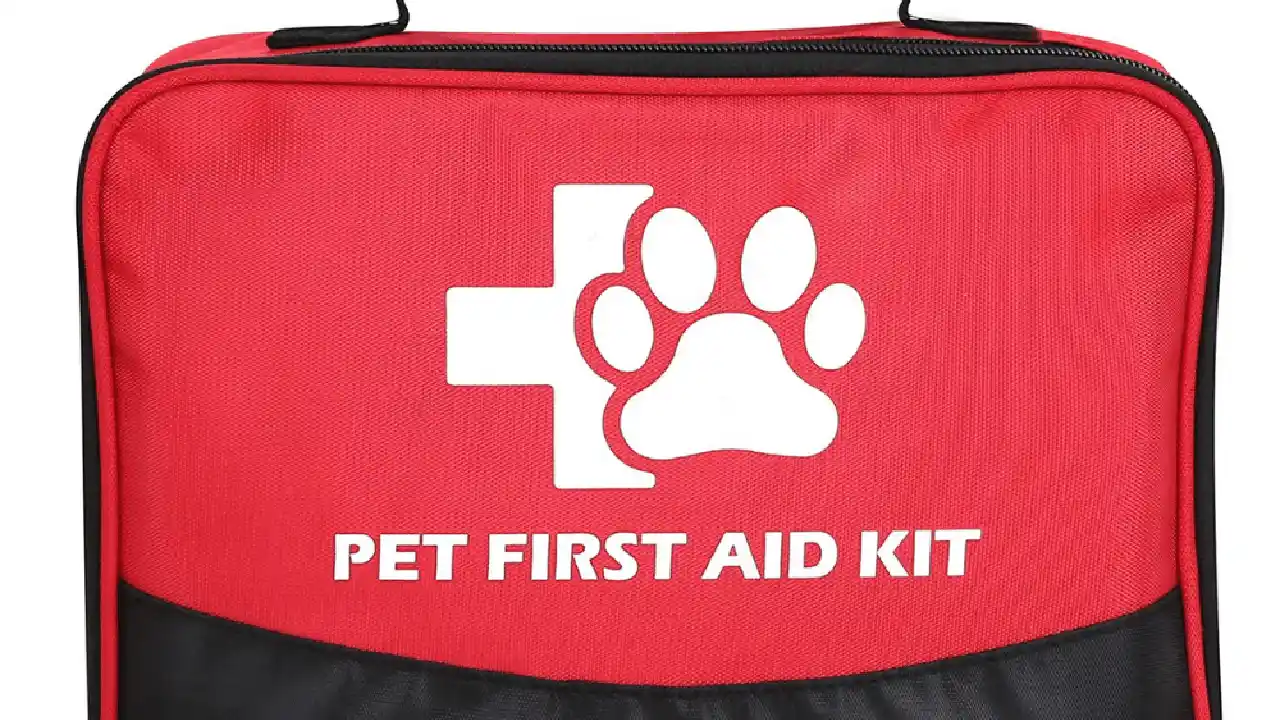
Hey there, fellow pet parents! Planning a holiday getaway? Whether it's a road trip to the mountains, a flight across the country, or even just a weekend at a friend's cabin, one thing you absolutely cannot forget is your pet's first aid kit. Think of it like your own travel first aid kit – you hope you never need it, but you'll be incredibly grateful if you do. Emergencies can happen anywhere, anytime, and being prepared can make all the difference in your furry friend's well-being, especially when you're far from your regular vet. This isn't just about having a few bandages; it's about having the right tools and knowledge to handle common pet mishaps on the go. Let's dive deep into what makes a truly effective pet first aid kit for all your holiday adventures.
\n\nWhy a Dedicated Pet First Aid Kit is Essential for Holiday Travel Pet Emergency Preparedness
\n\nYou might be thinking, 'Can't I just use my human first aid kit?' While some items might overlap, a dedicated pet first aid kit is crucial because pets have different anatomies, sensitivities, and common injuries than humans. For instance, certain human medications can be toxic to pets. Plus, pet-specific tools like paw booties or tick removers are invaluable. When you're traveling, access to veterinary care might be limited, especially in remote areas or during holiday hours. Having a well-stocked kit means you can provide immediate care, stabilize your pet, and potentially prevent a minor issue from becoming a major emergency. It buys you time to get to a vet if needed, or even resolve a small problem yourself. Imagine your dog stepping on a thorn in a national park, or your cat having a minor allergic reaction at a holiday gathering. Quick action with the right supplies can prevent pain, infection, and a ruined vacation.
\n\nKey Components of a Comprehensive Pet First Aid Kit What to Pack for Pet Travel Safety
\n\nAlright, let's break down what should go into your pet's travel first aid kit. We'll cover the absolute essentials, plus some 'nice-to-haves' that can really come in handy.
\n\nWound Care and Bandaging Supplies Pet Injury Management
\n- Non-stick sterile pads: For covering wounds without sticking to them.
- Gauze rolls: Great for wrapping injuries or applying pressure.
- Self-adhering bandage (Vet Wrap): This is a game-changer! It sticks to itself, not fur, and provides light compression.
- Adhesive tape: For securing bandages.
- Antiseptic wipes or solution (e.g., Betadine or chlorhexidine solution): To clean wounds. Avoid hydrogen peroxide as it can damage tissue.
- Antibiotic ointment (e.g., Neosporin, but check for pet-safe formulations): To prevent infection. Always consult your vet on specific brands.
- Blunt-tipped scissors: For cutting bandages or fur around a wound.
- Tweezers: For removing splinters, thorns, or ticks.
Medications and Topical Treatments Pet Health Essentials
\n- Prescription medications: If your pet is on any regular meds, bring extra!
- Activated charcoal: For accidental ingestion of certain toxins (use only under vet guidance).
- Diphenhydramine (Benadryl): For allergic reactions (dosage varies by weight, consult your vet beforehand).
- Styptic powder or pencil: To stop bleeding from minor cuts, especially nail trims.
- Eye wash solution: To flush out irritants.
- Ear cleaning solution: For routine cleaning or if your pet gets something in their ear.
- Probiotic supplements: Can help with digestive upset due to travel stress or diet changes.
Tools and Equipment Essential Pet First Aid Tools
\n- Digital rectal thermometer: To check for fever or hypothermia.
- Pet-specific nail clippers: For broken nails or general maintenance.
- Tick remover tool: Essential for outdoor adventures.
- Flea comb: For quick checks.
- Muzzle: Even the sweetest pet can bite when in pain or fear. A soft muzzle is a safety must-have.
- Gloves (latex-free): For hygiene and protection.
- Small flashlight or headlamp: For examining wounds in low light.
- Emergency blanket: For warmth in shock or cold weather.
- Collar and leash: Always have a spare.
- Pet carrier: For safe transport, especially if injured.
Documentation and Contact Information Pet Emergency Contacts
\n- Your vet's contact information: Including their emergency line.
- Emergency vet clinics at your destination: Research these beforehand!
- Pet poison control hotline number: ASPCA Animal Poison Control Center (888) 426-4435 or Pet Poison Helpline (888) 426-4435.
- Your pet's vaccination records: Especially rabies certificate.
- A recent photo of your pet: In case they get lost.
Comparing Top Pet First Aid Kits on the Market Best Pre-Assembled Kits for Travel
\n\nWhile building your own kit ensures you have exactly what you need, pre-assembled kits can be a great starting point or a convenient option for those short on time. Here are a few popular choices, comparing their contents, target use, and approximate pricing:
\n\n1. Adventure Medical Kits Trail Dog First Aid Kit
\n- Description: Designed for active dogs and outdoor adventures. It's compact and lightweight, making it ideal for hiking or camping trips.
- Key Contents: Includes wound care (gauze, bandages, antiseptic wipes), tick remover, splinter picker, triangular bandage (for slings), and a pet first aid guide. It also has a small amount of saline for flushing.
- Use Case: Best for minor cuts, scrapes, paw injuries, and tick removal during outdoor activities.
- Pros: Very portable, durable packaging, includes a helpful guide.
- Cons: Lacks medications, thermometer, or muzzle. You'll need to add those.
- Approximate Price: $25 - $35 USD
- Where to Buy: REI, Amazon, outdoor gear stores.
2. Kurgo Pet First Aid Kit
\n- Description: A more comprehensive kit suitable for car travel and general emergencies. It comes in a durable, organized pouch.
- Key Contents: Features a good range of wound care (gauze, tape, antiseptic wipes, cotton swabs), a tick remover, saline solution, sting relief pads, and a small pair of scissors. It also includes a small emergency blanket.
- Use Case: Good for general travel, car trips, and home use. More versatile than the Trail Dog kit.
- Pros: Well-organized, good variety of basic supplies, durable bag.
- Cons: Still lacks medications and a muzzle. Some users report the quality of scissors could be better.
- Approximate Price: $30 - $45 USD
- Where to Buy: Chewy, Amazon, pet supply stores.
3. RC Pet Products First Aid Kit
\n- Description: A compact and affordable option, often found in pet stores. It's a basic starter kit.
- Key Contents: Typically includes gauze, tape, antiseptic wipes, and a small pair of scissors. Some versions might have a tick remover.
- Use Case: Very basic, suitable for very minor incidents or as a foundation to build upon. Good for short trips or as a backup.
- Pros: Inexpensive, very small and portable.
- Cons: Extremely limited in contents, definitely needs additions for comprehensive care.
- Approximate Price: $15 - $25 USD
- Where to Buy: PetSmart, Petco, Amazon.
4. DIY Pet First Aid Kit Building Your Own Custom Kit
\n- Description: This is often the best option for experienced pet owners or those with specific needs. You can tailor it exactly to your pet and travel style.
- Key Contents: Everything listed in the 'Key Components' section above. You choose the brands and quantities.
- Use Case: Ideal for any type of travel, especially if your pet has specific health concerns or if you travel frequently to remote areas.
- Pros: Fully customizable, higher quality components possible, you know exactly what's inside.
- Cons: Requires more effort and research to assemble. Can sometimes be more expensive if buying individual high-quality items.
- Approximate Price: Varies widely, from $50 - $150+ USD depending on contents.
- Where to Buy: Online pharmacies, local drugstores, pet supply stores, your vet's office.
Specific Scenarios and How Your Kit Helps Pet Emergency Response
\n\nLet's walk through a few common travel scenarios where your first aid kit will be your best friend:
\n\nScenario 1: Paw Injury on a Hike Dealing with Cuts and Abrasions
\nYour dog steps on something sharp during a trail walk. They're limping and there's a small cut on their paw pad.
Kit Use:
- First, gently muzzle your dog if they're in pain or stressed.
- Use antiseptic wipes or solution to clean the wound thoroughly.
- Apply a non-stick sterile pad over the cut.
- Secure it with gauze and then self-adhering bandage (Vet Wrap). Make sure it's snug but not too tight.
- If bleeding persists, apply direct pressure.
- Consider a paw bootie to protect the bandage.
- Contact a local vet if the cut is deep, bleeding heavily, or if your pet seems in severe pain.
Scenario 2: Allergic Reaction to an Insect Bite Managing Swelling and Itching
\nYour cat gets stung by a bee while exploring a new backyard. Their face starts to swell.
Kit Use:
- If you can see the stinger, try to scrape it out with a credit card edge (don't squeeze it).
- Administer Benadryl (Diphenhydramine) if you've pre-determined the correct dosage with your vet.
- Apply a cool compress to the swollen area.
- Monitor your pet closely for difficulty breathing or severe swelling. If these occur, seek immediate veterinary attention.
Scenario 3: Upset Stomach from New Food or Stress Digestive Issues on the Road
\nYour dog has loose stools after a long car ride and trying a new treat.
Kit Use:
- Offer small amounts of water to prevent dehydration.
- If you have pet-safe probiotics, administer them.
- Withhold food for 12-24 hours (for adult dogs, not puppies) to let their stomach settle.
- If vomiting is severe, persistent, or accompanied by lethargy, or if diarrhea is bloody, contact a vet immediately.
Customizing Your Kit for Your Pet and Destination Tailoring Your Pet's First Aid
\n\nEvery pet is unique, and so is every trip. Here's how to personalize your kit:
\n\nConsider Your Pet's Specific Needs Pet Health Considerations
- Chronic conditions: If your pet has diabetes, epilepsy, or heart disease, ensure you have extra medication and supplies for managing these conditions.
- Allergies: If your pet has known allergies, include appropriate antihistamines or even an EpiPen if prescribed by your vet.
- Age: Puppies and senior pets might need different considerations. Puppies are more prone to dehydration, while seniors might have joint issues.
- Breed: Brachycephalic breeds (flat-faced dogs like Pugs or Bulldogs) are more susceptible to heatstroke and respiratory issues. Long-haired breeds might need more grooming tools for matting.
Tailor to Your Destination Travel Environment Factors
- Hiking/Camping: Emphasize tick removers, paw protection (booties), and snake bite kits (if applicable to the region, but always seek vet care for bites).
- Beach/Water Activities: Include ear cleaner (to prevent infections), paw balm (for hot sand), and possibly a pet-safe sunscreen.
- Cold Climates: Add paw balm (for ice and salt), extra blankets, and consider pet sweaters/coats.
- Urban Travel: Focus on items for minor cuts from glass or debris, and perhaps a muzzle for crowded areas.
Maintaining and Replenishing Your Kit Keeping Your Pet Safe
\n\nA first aid kit is only useful if it's up-to-date and well-maintained. Here's how to keep it ready:
\n\nRegular Checks and Expiry Dates Kit Inventory Management
- Check monthly: Go through your kit at least once a month, or before every major trip.
- Expiry dates: Medications and sterile supplies have expiry dates. Replace them well in advance.
- Replenish used items: If you use something, replace it immediately. Don't wait until the next trip.
- Cleanliness: Ensure all tools are clean and sterilized if reusable.
Storage Tips Optimal Kit Storage
- Cool, dry place: Store your kit in a place where temperatures are stable and it's protected from moisture.
- Accessible: Keep it easily accessible in your car or luggage, not buried at the bottom of a suitcase.
- Durable container: Use a waterproof and sturdy container or bag to protect the contents.
Beyond the Kit First Aid Knowledge and Prevention
\n\nHaving the kit is half the battle; knowing how to use it is the other half. Consider taking a pet first aid and CPR course. Many organizations offer these, and the knowledge gained is invaluable. Also, prevention is key! Research your destination, understand potential hazards, and take steps to minimize risks. For example, if you're going to an area with known poisonous plants, keep your pet on a leash. If you're visiting family with different pets, ensure introductions are slow and supervised. Being proactive about safety will reduce the chances of needing that first aid kit in the first place.
\n\nSo, before you hit the road or take to the skies for your next holiday adventure, take a moment to assemble or update your pet's first aid kit. It's a small investment that offers immense peace of mind, ensuring you're ready for anything and can keep your beloved companion safe and healthy, no matter where your travels take you. Happy and safe travels to you and your furry family!
" } ] }:max_bytes(150000):strip_icc()/277019-baked-pork-chops-with-cream-of-mushroom-soup-DDMFS-beauty-4x3-BG-7505-5762b731cf30447d9cbbbbbf387beafa.jpg)