Essential Pet Training Clicker Games
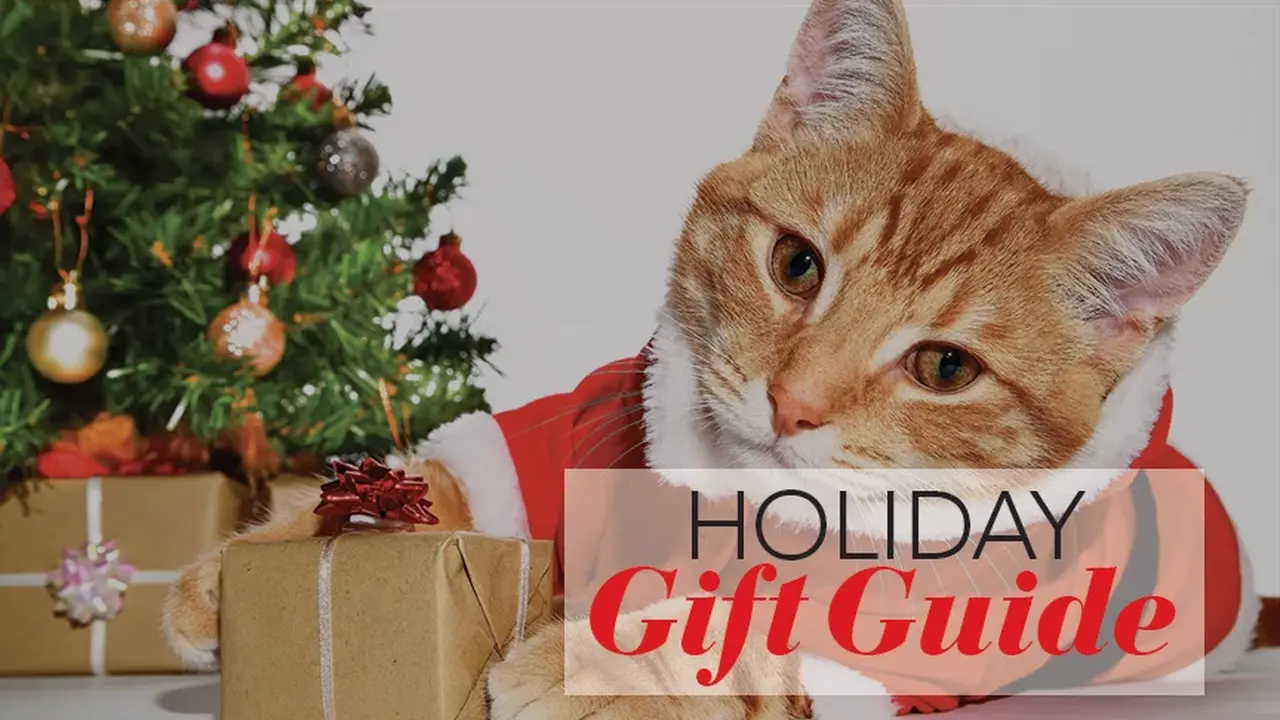
Make training fun and effective during holidays with our guide to clicker games for pets.
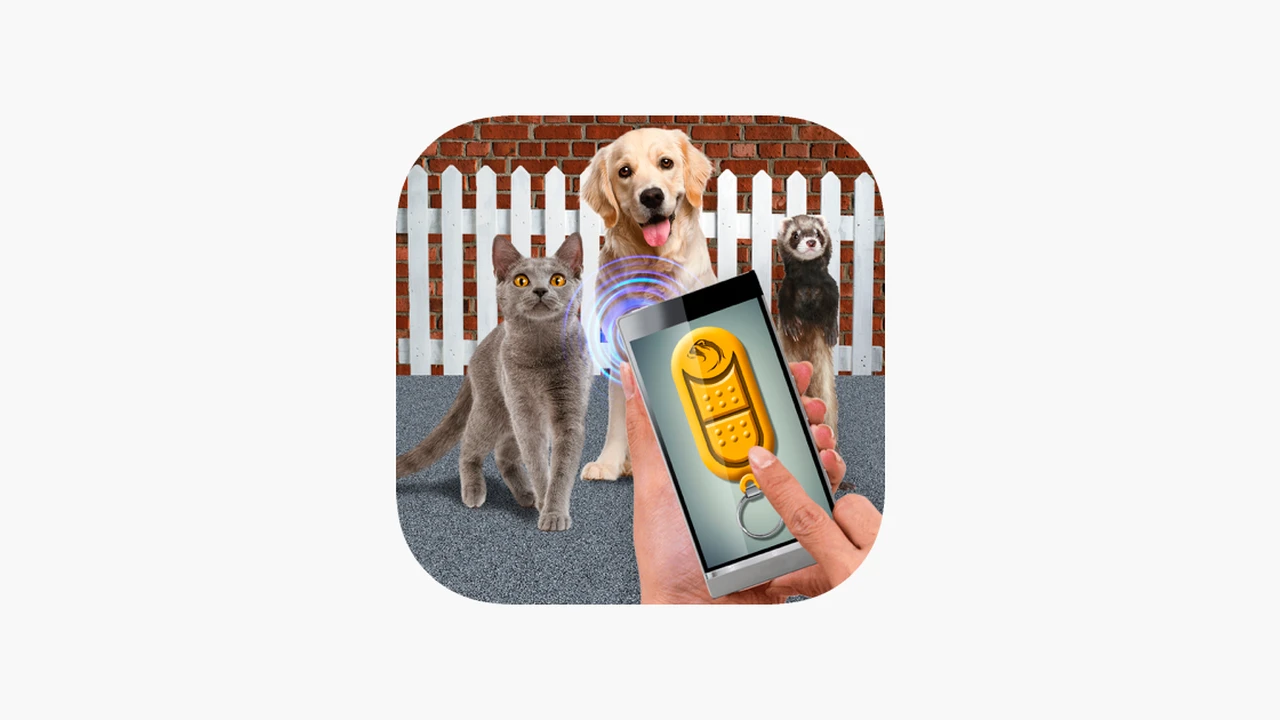
Make training fun and effective during holidays with our guide to clicker games for pets.
Essential Pet Training Clicker Games for Holiday Fun and Learning
The holiday season is a wonderful time for family, festivities, and making memories. For pet owners, it also presents a unique opportunity to bond with your furry friends through engaging and effective training. Clicker training, a positive reinforcement method, is incredibly versatile and can be adapted into fun games that not only teach new behaviors but also strengthen your relationship with your pet. Forget boring drills; we're talking about turning learning into playtime! This comprehensive guide will dive deep into essential clicker games, offering practical advice, product recommendations, and tips to make your holiday training sessions a joyous success.
Understanding Clicker Training The Basics for Holiday Pet Owners
Before we jump into the games, let's quickly recap the magic of clicker training. At its core, clicker training uses a small device that makes a distinct 'click' sound. This sound acts as a precise marker, telling your pet exactly when they've performed the desired behavior. It's immediately followed by a reward (a treat, praise, or a favorite toy). Over time, your pet associates the click with something good, making it a powerful communication tool. It's especially effective during the busy holiday season because it's quick, clear, and keeps your pet engaged without long, drawn-out sessions.
Why Clicker Training is Perfect for Holiday Pet Engagement
- Precision: The click marks the exact moment of the desired behavior, eliminating confusion.
- Positive Reinforcement: It builds a positive association with learning, making your pet eager to participate.
- Mental Stimulation: Games challenge your pet's mind, reducing boredom and potential destructive behaviors.
- Bonding: Shared positive experiences strengthen the human-animal bond.
- Versatility: Applicable to dogs, cats, birds, and even rabbits!
Top Clicker Games for Dogs Holiday Edition
Dogs thrive on interaction and mental challenges. These games are designed to be fun, reinforce good behavior, and can even help manage holiday-related stressors like new guests or loud noises.
Game 1: Target Practice Teaching Touch with a Clicker
Concept: This foundational game teaches your dog to touch a specific object (your hand, a target stick) with their nose. It's incredibly useful for guiding your dog, teaching them to go to a specific spot, or even closing doors.
How to Play:
- Hold your open palm a few inches from your dog's nose.
- The moment their nose touches your hand, click and immediately give a treat.
- Repeat several times.
- Once they consistently touch your hand, start moving your hand slightly further away or to different positions.
- Gradually introduce a verbal cue like 'touch' just before they touch your hand.
Product Recommendation:
- Karen Pryor Clicker Training Target Stick: This extendable stick is perfect for teaching precise targeting from a distance. It's lightweight and easy to use.
- Price: Approximately $10-$15 USD.
- Why it's great: Durable, portable, and helps generalize the 'touch' behavior to various objects and locations.
Game 2: 101 Things to Do with a Box Encouraging Creativity
Concept: This game encourages your dog to interact with an object (like a cardboard box) in various ways, fostering creativity and problem-solving. It's fantastic for building confidence and independent thinking.
How to Play:
- Place an empty cardboard box on the floor.
- Click and treat for any interaction with the box: sniffing, pawing, nudging, stepping in, lying down in it.
- Don't give a command; just reward any engagement.
- As your dog offers more behaviors, start clicking only for new or more complex interactions.
- The goal is to see how many different ways your dog can interact with the box.
Product Recommendation:
- Any sturdy cardboard box: Repurpose a delivery box! No need to buy anything fancy.
- Price: Free!
- Why it's great: Cost-effective, environmentally friendly, and promotes natural curiosity.
Game 3: The Name Game Teaching Object Recognition
Concept: Teach your dog the names of their toys or other objects. This is a fun way to expand their vocabulary and can be a great party trick during holiday gatherings.
How to Play:
- Start with one distinct toy. Say its name ('ball') and immediately present the toy.
- When your dog interacts with the toy (noses it, picks it up), click and treat.
- Repeat until your dog consistently goes for that toy when you say its name.
- Introduce a second, very different toy. Place both down. Say the name of the first toy. If they go for it, click and treat.
- Gradually add more toys and increase the distance.
Product Recommendation:
- KONG Classic Dog Toy: A durable, versatile toy that can be stuffed with treats, making it highly motivating for this game.
- Price: Approximately $10-$20 USD depending on size.
- Why it's great: Long-lasting, can be used for various games, and provides mental enrichment.
Game 4: Go to Your Mat Promoting Calmness During Holiday Chaos
Concept: Teach your dog to go to a designated mat or bed and stay there calmly. This is invaluable during holiday gatherings when you need your dog to settle down and not bother guests or get underfoot.
How to Play:
- Place a mat or dog bed on the floor.
- Lure your dog onto the mat with a treat. As soon as all four paws are on the mat, click and treat.
- Repeat, gradually fading the lure.
- Once they go to the mat reliably, start clicking and treating for staying on the mat for longer durations.
- Add a verbal cue like 'mat' or 'place' as they step onto it.
- Practice with distractions, starting small and gradually increasing them.
Product Recommendation:
- MidWest Homes for Pets QuietTime Pet Bed: A comfortable, machine-washable mat that's easy to move around.
- Price: Approximately $20-$40 USD depending on size.
- Why it's great: Provides a clear 'place' for your dog, comfortable, and easy to clean.
Engaging Clicker Games for Cats Holiday Edition
Cats are often underestimated when it comes to training, but they respond wonderfully to clicker training. These games can help build confidence, provide mental stimulation, and even curb unwanted behaviors.
Game 1: High Five or Paw Target A Fun Trick
Concept: Teach your cat to 'high five' or touch your hand with their paw. It's a cute trick that also builds confidence and coordination.
How to Play:
- Hold a treat in a closed fist.
- Present your fist to your cat. They will likely try to paw at it.
- The moment their paw touches your hand, click and immediately open your hand to give the treat.
- Repeat until they consistently paw your hand.
- Once consistent, start holding your hand open, palm up, and click and treat when they touch it with their paw.
- Add a verbal cue like 'high five' or 'paw'.
Product Recommendation:
- Churu Purée Treats: Highly palatable liquid treats that are perfect for quick rewards during clicker training.
- Price: Approximately $5-$10 USD for a pack.
- Why it's great: Cats absolutely love them, easy to dispense quickly, and less messy than dry treats for rapid fire clicking.
Game 2: Come When Called Essential for Safety
Concept: Teach your cat to come to you when called. This is not just a trick; it's a vital safety command, especially if your cat ever gets outside or you need to quickly locate them during holiday commotion.
How to Play:
- Start in a quiet room. Say your cat's name or a specific cue like 'come'.
- The moment your cat takes a step towards you, click and treat.
- Gradually increase the distance.
- If your cat doesn't respond, make a kissing sound or tap the floor to get their attention, then click and treat for movement towards you.
- Practice in different rooms and with minor distractions.
Product Recommendation:
- PetSafe Clicker: A simple, reliable clicker that's easy to hold and produces a consistent sound.
- Price: Approximately $5-$8 USD.
- Why it's great: Ergonomic design, consistent click, and often comes with a wrist strap.
Game 3: Fetch for Felines Mental and Physical Exercise
Concept: Yes, cats can fetch! This game provides excellent mental and physical exercise, especially for indoor cats, and can be a fun way to interact during the holidays.
How to Play:
- Find a small, lightweight toy your cat loves (e.g., a crinkly ball, a small mouse toy).
- Toss the toy a short distance.
- When your cat goes to the toy, click. When they pick it up, click again.
- If they bring it back to you, click and treat enthusiastically.
- If they don't bring it back, try to lure them back to you with another treat, then click and treat when they are near you with the toy.
- Gradually increase the distance and reward for bringing the toy closer to you.
Product Recommendation:
- Yeowww! Catnip Toys: These toys are filled with potent catnip, making them highly appealing for cats to interact with and fetch.
- Price: Approximately $5-$10 USD per toy.
- Why it's great: Strong catnip scent encourages play, durable, and comes in various fun shapes.
Clicker Training for Other Pets Holiday Enrichment
Clicker training isn't just for dogs and cats! Many other pets can benefit from the mental stimulation and positive reinforcement it offers.
Game 1: Spin for Rabbits and Guinea Pigs
Concept: Teach your small pet to spin in a circle. This is a fun trick that also encourages movement and coordination.
How to Play:
- Hold a small, high-value treat (like a piece of carrot or leafy green) near your pet's nose.
- Slowly move the treat in a circle, luring your pet to follow it and spin.
- As they complete a small turn, click and give the treat.
- Gradually increase the size of the circle until they complete a full spin.
- Add a verbal cue like 'spin' as they start to turn.
Product Recommendation:
- Oxbow Enriched Life Garden Forage Mat: While not a clicker, this mat can be used to hide treats, making the reward part of the game more engaging for small animals.
- Price: Approximately $15-$20 USD.
- Why it's great: Encourages natural foraging behavior, provides mental stimulation, and can be used with clicker training rewards.
Game 2: Step Up for Birds Building Trust and Handling Skills
Concept: Teach your bird to step onto your finger or a perch on cue. This is a fundamental behavior for safe handling and interaction.
How to Play:
- Hold your finger or a small perch near your bird's chest, just above their feet.
- As they step onto your finger/perch, click and immediately offer a favorite seed or treat.
- Repeat, gradually increasing the duration they stay on your finger before the click and treat.
- Add a verbal cue like 'step up' as they move onto your finger.
Product Recommendation:
- Living World Green Clicker: A small, lightweight clicker that's easy to use with birds.
- Price: Approximately $5-$7 USD.
- Why it's great: Compact size, consistent click, and suitable for smaller hands.
Choosing the Right Clicker and Treats for Your Pet
While the concept of clicker training is universal, the tools can vary slightly. Here's what to consider:
Clicker Types and Features
- Box Clickers: These are the most common, producing a clear, distinct 'click' sound. Many have a raised button for easy pressing.
- Button Clickers: Similar to box clickers but often with a larger, more prominent button.
- Target Stick Clickers: A clicker integrated into a retractable target stick, useful for distance training.
- Wrist Strap: Look for clickers with a wrist strap to prevent dropping them during training sessions.
- Volume Control: Some clickers offer adjustable volume, which can be helpful for sensitive pets or in quiet environments.
Comparison of Popular Clickers:
| Product | Features | Pros | Cons | Approx. Price (USD) |
|---|---|---|---|---|
| Karen Pryor Clicker Training i-Click | Ergonomic design, quiet click option, wrist lanyard. | Comfortable to hold, less startling for sensitive pets, durable. | Slightly higher price point. | $7-$10 |
| PetSafe Clik-R Training Clicker | Raised button, finger strap, consistent sound. | Affordable, easy to use, good for beginners. | Sound might be too loud for very sensitive pets. | $5-$8 |
| StarMark Clicker Training System | Large button, includes a training guide. | Easy to press, good for larger hands, clear sound. | Can be bulky for some. | $6-$9 |
Choosing High-Value Treats for Motivation
The reward is just as important as the click! High-value treats are those your pet absolutely loves and will work hard for. They should be:
- Small: Pea-sized or smaller, so your pet can eat them quickly and you can do many repetitions.
- Soft: Easy to chew and swallow, preventing choking and allowing for rapid reward delivery.
- Smelly: A strong aroma makes them more appealing.
- Novel: Something they don't get all the time, making it extra special for training.
Examples of High-Value Treats:
- Dogs: Small pieces of cooked chicken, cheese, hot dogs, Zuke's Mini Naturals, freeze-dried liver.
- Cats: Churu Purée, small pieces of cooked salmon, freeze-dried chicken, Temptations treats.
- Rabbits/Guinea Pigs: Small pieces of carrot, parsley, cilantro, or their favorite commercial treats.
- Birds: Millet spray, sunflower seeds (in moderation), small pieces of fruit.
Tips for Successful Holiday Clicker Training Sessions
The holidays can be hectic, but with a few adjustments, you can still have productive and fun training sessions.
Keep Sessions Short and Sweet
Aim for 5-10 minute sessions, especially for beginners or during busy times. Multiple short sessions throughout the day are more effective than one long, drawn-out one.
Train in a Quiet Environment Initially
Start in a low-distraction area. As your pet becomes more proficient, gradually introduce distractions (e.g., a family member walking by, soft music) to generalize the behavior.
End on a Positive Note
Always finish a session after your pet has successfully performed a behavior. This leaves them feeling good about the training and eager for the next session.
Be Consistent with Your Cues and Rewards
Everyone in the household should use the same verbal cues and hand signals. Consistency helps your pet understand what's expected.
Manage Holiday Distractions
If holiday guests or decorations are too distracting, consider training in a separate room or during quieter times of the day. Use the 'Go to Your Mat' game to help your pet settle during busy periods.
Have Fun and Be Patient
Clicker training is about building a positive relationship. Celebrate small successes, be patient with your pet, and enjoy the process of learning together. The holidays are a time for joy, and that includes the joy of training with your beloved companion.
Troubleshooting Common Clicker Training Challenges During Holidays
Even with the best intentions, you might encounter some bumps in the road. Here are solutions to common issues, especially relevant during the holiday season.
My Pet is Not Interested in the Clicker Sound
Solution: Your pet might not have associated the click with good things yet. Go back to basics: click, then immediately give a high-value treat. Repeat this 10-20 times in a quiet environment. Do this several times a day until your pet looks at you expectantly after the click. If the sound is too loud, try muffling the clicker with your hand or using a quieter clicker model like the Karen Pryor i-Click.
My Pet is Distracted by Holiday Guests or Decorations
Solution: This is very common! Start training in a less distracting environment, like a quiet bedroom. Once your pet is consistently performing the behavior there, gradually introduce mild distractions. For example, have a family member sit quietly in the room, then move closer, then have them talk softly. If your pet gets too distracted, reduce the level of distraction. The 'Go to Your Mat' game (mentioned earlier) is excellent for teaching your pet to settle in a designated spot, even amidst holiday chaos.
My Pet is Not Offering Behaviors
Solution: If your pet isn't trying anything, you might be asking for too much too soon. Break the behavior down into tiny, achievable steps. For example, if teaching 'spin,' start by clicking and treating for just a head turn, then a step, then a quarter turn. Use luring (guiding with a treat) to help them understand what you want, then quickly fade the lure. Make sure your treats are truly high-value and motivating.
My Pet is Getting Fat from All the Treats
Solution: This is a valid concern, especially with holiday indulgence! Use very small, pea-sized treats. You can also use a portion of your pet's regular meal kibble as treats, especially if they are highly food motivated. Alternatively, incorporate other rewards like praise, a quick game of tug, or a favorite toy. Adjust their main meal portion to account for the training treats. For example, if you give 10 treats, remove a small amount of kibble from their dinner.
I Don't Have Much Time During the Holidays
Solution: Remember, short and sweet sessions are key. Even 2-3 minutes, two or three times a day, can make a huge difference. Integrate training into your daily routine: click and treat for calm greetings when guests arrive, for settling on their mat while you cook, or for a quick 'touch' before going outside. Consistency over duration is more important.
My Pet is Scared of the Clicker
Solution: Some pets are sensitive to new sounds. Start by muffling the clicker sound by holding it inside your pocket or wrapping it in a cloth. Pair the muffled click with a super high-value treat. Gradually reduce the muffling as your pet becomes comfortable. You can also try a quieter clicker model or even a verbal marker like 'yes!' or 'good!' if the clicker sound remains an issue, though the clicker's precision is hard to beat.
My Pet is Not Motivated by Treats
Solution: Not all pets are food motivated. Identify what truly motivates your pet. Is it a favorite toy? A quick game of fetch? Belly rubs? Use these as your rewards instead of or in addition to treats. The key is that the reward must be something your pet genuinely desires immediately after the click.
Integrating Clicker Training into Holiday Routines
The beauty of clicker training is its flexibility. You don't need dedicated, formal sessions all the time. You can seamlessly weave it into your daily holiday life.
Calm Greetings for Holiday Guests
Scenario: Guests are arriving, and your dog jumps or your cat hides. Clicker Solution: Before guests arrive, practice 'sit' or 'go to your mat.' When guests are at the door, have your pet on a leash or behind a baby gate. Click and treat for calm behavior (four paws on the floor, sitting, lying down) as guests enter. Gradually increase exposure to the guests while rewarding calm behavior.
Managing Mealtime Manners
Scenario: Your pet begs at the holiday dinner table. Clicker Solution: Teach 'stay' or 'go to your mat' away from the dining area. Click and treat your pet for staying in their designated spot while you eat. If they approach the table, calmly redirect them back to their spot and reward when they settle there.
Safe Interactions with Holiday Decorations
Scenario: Your cat tries to climb the Christmas tree, or your dog chews on ornaments. Clicker Solution: Use 'leave it' or 'touch' to redirect their attention. Click and treat when they ignore the decoration or engage with an appropriate toy instead. For cats, provide alternative climbing structures or scratching posts near the tree and reward their use.
Quiet Time During Noisy Celebrations
Scenario: Fireworks or loud music make your pet anxious. Clicker Solution: Practice 'settle' or 'go to your mat' in a quiet, safe space. During noisy events, provide a comfortable den (crate covered with a blanket) and offer high-value chews or puzzle toys. Click and treat for calm behavior within their safe space. You can also use desensitization techniques (playing low-volume noise recordings and gradually increasing volume while clicking for calm) in advance.
Enrichment for Pets Left Alone
Scenario: You need to leave your pet alone for a holiday party. Clicker Solution: Before you leave, engage your pet in a short, fun clicker game to tire them out mentally. Then, provide a stuffed KONG or a puzzle toy to keep them occupied while you're gone. This positive association with your departure can reduce separation anxiety.
The Long-Term Benefits of Clicker Games Beyond the Holidays
While these games are perfect for holiday fun, their benefits extend far beyond the festive season. Clicker training builds a foundation for lifelong learning and a stronger bond with your pet.
Enhanced Communication
The clicker creates a clear, unambiguous line of communication between you and your pet. They learn to understand exactly what behavior earns a reward, leading to less frustration for both of you.
Increased Confidence and Problem-Solving Skills
By encouraging your pet to offer behaviors and figure things out on their own, clicker training boosts their confidence and problem-solving abilities. This can lead to a more adaptable and well-adjusted pet.
Reduced Stress and Anxiety
Positive reinforcement training reduces stress because it focuses on what your pet does right, rather than punishing mistakes. This positive learning environment can significantly reduce anxiety, especially in fearful or reactive pets.
A Stronger Human-Animal Bond
Shared positive experiences, like playing fun clicker games, deepen the bond between you and your pet. It's a relationship built on trust, understanding, and mutual enjoyment.
Lifelong Learning and Enrichment
Once your pet understands the clicker, the possibilities for teaching new behaviors are endless. This provides ongoing mental enrichment, keeping your pet engaged and happy throughout their life.
So, as you prepare for the holiday season, remember to include your furry family members in the fun. With these essential clicker games and a little patience, you can make this holiday season a time of joyful learning and deeper connection with your beloved pet. Happy clicking!
:max_bytes(150000):strip_icc()/277019-baked-pork-chops-with-cream-of-mushroom-soup-DDMFS-beauty-4x3-BG-7505-5762b731cf30447d9cbbbbbf387beafa.jpg)