Essential Pet Emergency Contacts for Holidays
Keep vital pet emergency contacts handy for peace of mind during the holiday season.
Keep vital pet emergency contacts handy for peace of mind during the holiday season. The holidays are a time for joy, family, and celebration, but they can also bring unexpected challenges, especially when it comes to our beloved pets. From accidental ingestions of festive foods to unexpected injuries during travel or gatherings, having a comprehensive list of emergency contacts readily available can make all the difference in a critical situation. This guide will walk you through compiling an essential list of contacts, recommend specific services and products, compare options, and provide practical advice to ensure your pet's safety and your peace of mind.
Why Emergency Contacts Are Crucial During Holidays
The holiday season often means changes in routine, new environments, and exposure to unfamiliar items. These factors can increase the risk of pet emergencies. Veterinary clinics might have reduced hours, and your regular vet might be unavailable. Knowing who to call and where to go can save precious time and potentially your pet's life. It's not just about knowing your vet's number; it's about having a network of support.
Your Primary Veterinary Clinic Information
This is your first line of defense. Even if they're closed, they often have an answering service or a referral to an emergency clinic. Make sure you have:
- Clinic Name: Your trusted vet's office.
- Phone Number: The main line, and any after-hours emergency numbers they provide.
- Address: In case you need to drive there quickly.
- Operating Hours: Especially important for holiday hours.
24/7 Emergency Veterinary Hospitals and Clinics
These facilities are specifically designed to handle urgent cases outside of regular clinic hours. They are equipped with advanced diagnostic tools and specialized staff. You should identify at least two in your area, or in areas you plan to visit during the holidays.
Identifying Local Emergency Vet Services for Pet Safety
Before the holidays hit, do your research. Search online for '24-hour vet near me' or 'emergency animal hospital [your city/holiday destination]'.
- Clinic Name: For example, 'BluePearl Pet Hospital' or 'VCA Animal Specialty and Emergency Center'.
- Phone Number: Their direct emergency line.
- Address: Crucial for GPS navigation during a stressful situation.
- Website: Often contains information on services, wait times, and what to do in an emergency.
Product Recommendation: Consider downloading a pet emergency app like Pet First Aid by American Red Cross (available on iOS and Android, typically free or a few dollars). This app often includes a customizable list for emergency contacts and can help you locate nearby emergency vets.
Pet Poison Control Hotlines and Resources
Accidental ingestion of toxic substances is a common holiday emergency. Many festive plants, foods, and decorations are dangerous to pets. Having these numbers on hand is critical.
Essential Poison Control Numbers for Pet Emergencies
- ASPCA Animal Poison Control Center (APCC): (888) 426-4435. This is a 24/7 hotline. There is typically a consultation fee, but it's well worth it for expert advice.
- Pet Poison Helpline: (855) 764-7661. Another 24/7 service with a consultation fee.
Comparison: Both APCC and Pet Poison Helpline are excellent resources. They are staffed by veterinary toxicologists who can provide immediate, life-saving advice. The fees are similar, usually around $75-$85 per incident. It's a good idea to have both numbers, as one might be busier than the other during peak holiday times.
Usage Scenario: Your dog just ate a chocolate Santa. You call the hotline, describe the situation, and they'll tell you if you need to induce vomiting, go to the vet, or if it's a small enough amount to not be a major concern.
Your Pet Sitter or Boarding Facility Contact
If you're traveling and leaving your pet with a sitter or at a boarding facility, ensure you have their contact information, and they have yours, along with your vet's details.
- Sitter/Facility Name:
- Phone Number:
- Emergency Contact for Them: Someone local who can make decisions if you're unreachable.
Trusted Friends, Family, or Neighbors
These are your local support system. They can help transport your pet, provide temporary care, or simply offer emotional support during a crisis.
- Name:
- Phone Number:
- Relationship: (e.g., 'Aunt Sarah - key holder')
Pet Insurance Provider Information
If you have pet insurance, having their contact details readily available can streamline the claims process during a stressful time.
- Insurance Company Name:
- Policy Number:
- Customer Service Phone Number:
- Emergency Claim Line (if applicable):
Product Recommendation: Many pet insurance companies like Trupanion or Healthy Paws offer mobile apps where you can access your policy details and even submit claims directly. This can be incredibly convenient.
Local Animal Control or Humane Society
While not for medical emergencies, these contacts are vital if your pet gets lost during the holiday chaos.
- Organization Name:
- Phone Number:
- Lost Pet Reporting Line:
How to Organize and Store Your Emergency Contacts
Having the numbers is one thing; being able to access them quickly is another. Here are some practical tips:
Best Practices for Storing Pet Emergency Information
- Physical List: Print out a list and stick it on your fridge, near your pet's supplies, or in your wallet. This is crucial if your phone dies or you lose service.
- Digital List on Your Phone: Create a dedicated contact group in your phone (e.g., 'Pet Emergency') with all these numbers. Mark them as favorites or emergency contacts.
- Pet Emergency Kit: Keep a laminated card with these contacts inside your pet's emergency kit (which should include a first-aid kit, medications, and a few days' food).
- Share with Others: Ensure anyone who might care for your pet during the holidays (sitters, family) has this list.
Product Recommendation: A simple, waterproof Emergency Pet Information Card (often sold on Amazon for under $10) can be a lifesaver. You fill in the blanks and keep it in your wallet or pet carrier. Some even come with a magnet for your fridge.
Preparing for Specific Holiday Scenarios
Anticipating potential issues can help you react faster.
Managing Pet Health During Holiday Travel and Gatherings
- Travel: If you're traveling, research emergency vets in your destination ahead of time. Don't wait until an emergency strikes.
- Guests: Inform guests about pet-safe zones and what not to feed your pet. Have a designated quiet space for your pet if they get overwhelmed.
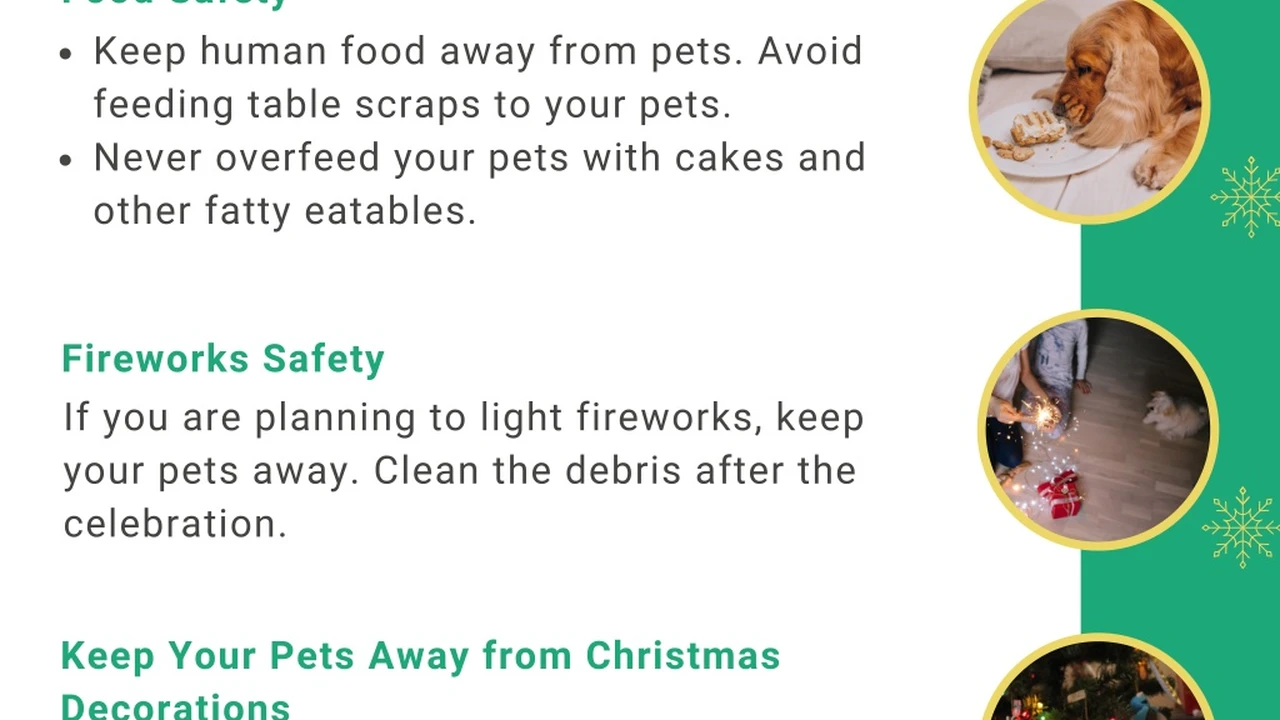
- Decorations: Keep toxic plants (like poinsettias, mistletoe, holly) and fragile ornaments out of reach. Secure Christmas trees.
- Food: Remind everyone that human food, especially fatty, sugary, or alcoholic items, can be dangerous. Keep trash cans secured.
- Noise: Fireworks and loud parties can cause anxiety. Have your vet's number ready if your pet needs calming medication or if they escape due to fear.
Beyond the Numbers: What Else to Have Ready
Emergency contacts are just one piece of the puzzle. You also need:
- Pet First Aid Kit: Bandages, antiseptic wipes, gauze, medical tape, hydrogen peroxide (for inducing vomiting, but ONLY under vet guidance), tweezers, pet-safe thermometer.
- Current Vaccination Records: Many emergency vets or boarding facilities will require these. Keep a digital copy on your phone and a physical copy in your pet's carrier.
- Medication List: A list of any current medications your pet is on, including dosage and frequency.
- Proof of Ownership/Microchip Info: If your pet gets lost, this is crucial for identification.
Product Recommendation: A pre-assembled Adventure Medical Kits Trail Dog First Aid Kit (around $30-$50) is a great starting point. It contains many essentials and is compact for travel. Alternatively, you can build your own using items from a local pharmacy or pet store. For example, Vet Wrap (self-adhering bandage, various brands, around $5-$10 per roll) is incredibly useful for securing dressings.
The Importance of Proactive Pet Care
While emergencies are unpredictable, being prepared is entirely within your control. Taking the time now to compile and organize these essential contacts and supplies will provide immense peace of mind, allowing you to truly enjoy the holiday season with your furry family member. Don't wait for a crisis to realize you're unprepared. Your pet's well-being is worth the effort.
:max_bytes(150000):strip_icc()/277019-baked-pork-chops-with-cream-of-mushroom-soup-DDMFS-beauty-4x3-BG-7505-5762b731cf30447d9cbbbbbf387beafa.jpg)