Comparing Pet Friendly Pest Control Methods
Protect your home from pests safely during holidays with our review of pet-friendly options.
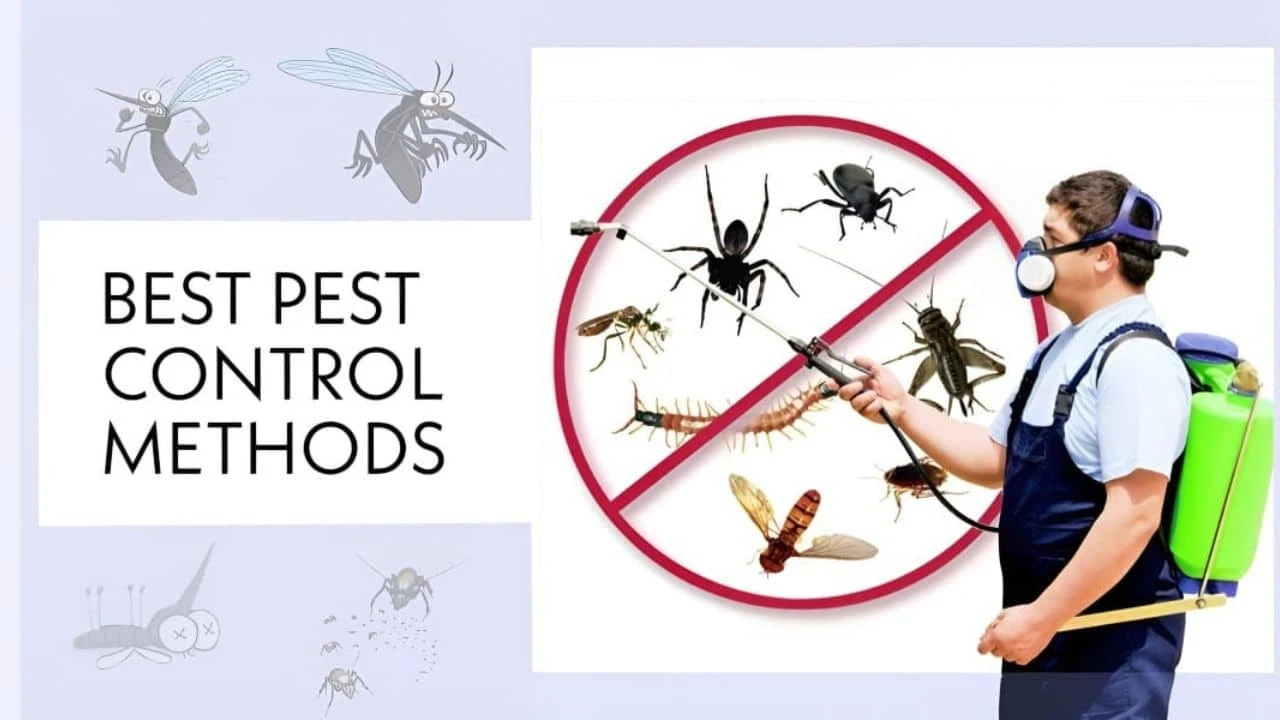
Protect your home from pests safely during holidays with our review of pet-friendly options. The holiday season brings joy, family, and often, an unwelcome guest: pests. Whether it's ants marching across your kitchen counter, spiders weaving webs in festive corners, or rodents seeking warmth indoors, dealing with pests during this busy time can be a real headache. But for pet owners, the challenge is even greater. Traditional pest control methods often involve harsh chemicals that can be toxic to our beloved furry friends. So, how do you keep your home pest-free without endangering your pets? This comprehensive guide will compare various pet-friendly pest control methods, offering practical advice, product recommendations, usage scenarios, and pricing insights to help you make informed decisions.
Comparing Pet Friendly Pest Control Methods
Understanding the Risks of Traditional Pest Control for Pets
Before diving into pet-friendly alternatives, it's crucial to understand why conventional pest control poses a threat. Many common pesticides contain active ingredients like pyrethroids, organophosphates, and carbamates, which can cause a range of symptoms in pets, from mild gastrointestinal upset to severe neurological damage or even death. Ingesting baits, licking treated surfaces, or even inhaling fumes can lead to poisoning. During the holidays, with more foot traffic, open doors, and potentially curious pets exploring new areas, the risk of exposure increases. Therefore, prioritizing pet-safe solutions is not just a preference, but a necessity.
Integrated Pest Management IPM A Holistic Approach for Pet Owners
Integrated Pest Management (IPM) is a strategy that focuses on long-term prevention of pests or their damage through a combination of techniques such as biological control, habitat manipulation, modification of cultural practices, and use of resistant varieties. Pesticides are used only when necessary and in a manner that minimizes risks to human health, beneficial and non-target organisms, and the environment. For pet owners, IPM is the ideal framework. It emphasizes understanding pest behavior, identifying entry points, and implementing non-toxic or low-toxicity solutions first.
Natural and DIY Pet Friendly Pest Control Solutions
Many common household items and natural ingredients can be surprisingly effective against pests without harming your pets. These methods are often the first line of defense in a pet-friendly IPM strategy.
Diatomaceous Earth DE A Natural Insecticide for Pet Safe Homes
Diatomaceous Earth (DE) is a naturally occurring, soft, siliceous sedimentary rock that is easily crumbled into a fine white powder. Food-grade DE is safe for pets and humans but deadly to insects. It works by absorbing the lipids from the waxy outer layer of insects' exoskeletons, causing them to dehydrate and die. It's effective against ants, fleas, bed bugs, cockroaches, and spiders.
- Usage Scenario: Sprinkle a thin layer of food-grade DE in cracks, crevices, along baseboards, under appliances, and in pet bedding areas (ensure it's food-grade and not pool-grade DE). For fleas, gently rub into your pet's coat, avoiding eyes and nose.
- Product Recommendation: Harris Diatomaceous Earth Food Grade.
- Comparison: Unlike chemical sprays, DE has no odor and leaves no toxic residue. It's a physical killer, so pests cannot develop resistance.
- Pricing: Typically $15-$30 for a large bag, very cost-effective.
Essential Oils Natural Repellents for Pet Friendly Pest Control
Certain essential oils possess natural insect-repelling properties. When diluted properly, they can be safe for use around pets. Always use high-quality, pure essential oils and dilute them significantly before use. Never apply undiluted essential oils directly to your pet's skin or allow them to ingest them. Consult your vet before using essential oils, especially with cats, as they are more sensitive to certain compounds.
- Effective Oils: Peppermint (mice, spiders, ants), Citronella (mosquitoes), Lavender (fleas, mosquitoes), Cedarwood (fleas, moths), Lemongrass (fleas, ticks, mosquitoes).
- Usage Scenario: Create a spray by mixing 10-15 drops of essential oil per cup of water. Spray around entry points, windows, and areas where pests are seen. You can also place cotton balls soaked in diluted essential oil in strategic locations.
- Product Recommendation: NOW Foods Essential Oils (various types).
- Comparison: Offers a pleasant scent compared to chemical repellents. Requires frequent reapplication.
- Pricing: $10-$25 per bottle, depending on the oil.
Vinegar A Versatile Pet Safe Cleaner and Pest Deterrent
White vinegar is a natural disinfectant and a mild repellent for many pests, including ants, fruit flies, and spiders. Its strong smell deters them, and its acidity can disrupt their trails.
- Usage Scenario: Mix equal parts white vinegar and water in a spray bottle. Spray directly on ants or wipe down surfaces where pests are active. For fruit flies, a small bowl of apple cider vinegar with a drop of dish soap can act as a trap.
- Product Recommendation: Any brand of white vinegar.
- Comparison: Extremely affordable and readily available. Not a killer, but a deterrent.
- Pricing: $3-$5 per gallon.
Physical Barriers and Traps Pet Safe Pest Management
Physical methods are excellent for pet-friendly pest control as they don't involve chemicals. They focus on preventing entry or trapping pests without posing a risk to your pets.
Sealing Entry Points Preventing Pests Safely
The most effective pest control is prevention. Sealing cracks, gaps, and holes in your home's foundation, walls, and around pipes can significantly reduce pest entry.
- Usage Scenario: Inspect your home thoroughly, both inside and out. Use caulk to seal small cracks, steel wool for larger holes (especially where rodents might enter), and weatherstripping for doors and windows.
- Product Recommendation: DAP Alex Plus Acrylic Latex Caulk, Xcluder Rodent Control Fill Fabric.
- Comparison: A permanent solution that reduces the need for other pest control methods. Requires initial effort but saves time and money long-term.
- Pricing: Caulk $5-$10 per tube, steel wool $5-$15 per roll.
Sticky Traps and Glue Boards Strategic Placement for Pet Safety
While sticky traps and glue boards are effective for catching insects and small rodents, they can be a hazard for curious pets. If used, they must be placed in areas completely inaccessible to pets, such as inside cabinets, under appliances, or in enclosed bait stations.
- Usage Scenario: Place traps along walls where pests travel, but always behind furniture or inside secure bait stations that pets cannot open.
- Product Recommendation: Catchmaster Glue Boards.
- Comparison: Non-toxic to pets, but can be messy if a pet gets stuck. Requires careful placement.
- Pricing: $10-$20 for a pack.
Electronic Pest Repellers Modern Pet Friendly Solutions
Electronic pest repellers emit ultrasonic waves that are supposed to deter pests like rodents and insects. While their effectiveness is debated, they are generally considered safe for pets, as the frequencies are typically outside their hearing range.
- Usage Scenario: Plug into outlets in areas where pests are a problem.
- Product Recommendation: Riddex Plus Pest Repeller.
- Comparison: No chemicals, no mess. Effectiveness varies greatly among users and pest types.
- Pricing: $20-$50 per unit.
Biological Control and Beneficial Organisms Pet Safe Pest Management
For garden pests or specific indoor issues, introducing beneficial organisms can be a highly effective and pet-safe method.
Nematodes Natural Pest Control for Lawns and Gardens
Beneficial nematodes are microscopic roundworms that are natural parasites of many common garden pests, including fleas, grubs, cutworms, and ants. They are completely harmless to pets, humans, and plants.
- Usage Scenario: Apply to lawns and gardens using a sprayer or watering can. Best used in the evening or on cloudy days when the soil is moist.
- Product Recommendation: NaturesGoodGuys Beneficial Nematodes.
- Comparison: A living solution that targets specific pests. Requires proper storage and application.
- Pricing: $20-$40 for a pack that covers a large area.
Ladybugs and Praying Mantises Natural Predators for Pet Friendly Gardens
For outdoor pest control, releasing natural predators like ladybugs (aphids, mites) and praying mantises (various insects) can be an effective and pet-safe solution.
- Usage Scenario: Release in your garden or outdoor areas where pests are present.
- Product Recommendation: Live Ladybugs, Praying Mantis Egg Cases.
- Comparison: A natural, self-sustaining solution once established. May take time to see significant results.
- Pricing: $10-$25 for a container of ladybugs or an egg case.
Professional Pet Friendly Pest Control Services
Sometimes, despite your best efforts, a pest infestation can become overwhelming. In such cases, hiring a professional pest control service that specializes in pet-friendly methods is the best course of action.
Choosing a Pet Friendly Exterminator Key Considerations
When selecting a professional, ask specific questions about their pet-safe practices:
- Do they offer IPM services?
- What specific products do they use, and can they provide safety data sheets (SDS) for them?
- Are their technicians trained in pet-safe application techniques?
- What is their protocol for pet presence during and after treatment?
- Do they offer non-chemical options first?
Common Pet Friendly Professional Treatments
Reputable companies will often use bait stations that are inaccessible to pets, targeted spot treatments with low-toxicity products, or heat treatments for bed bugs.
- Usage Scenario: For severe infestations of termites, bed bugs, or rodents that DIY methods cannot handle.
- Product Recommendation: Companies like Orkin, Terminix, or local independent pest control services often have pet-friendly options. Always verify their specific practices.
- Comparison: More expensive than DIY but offers expertise and often more effective long-term solutions for severe problems.
- Pricing: Varies widely based on the type of pest, severity of infestation, and size of your home. Expect to pay $200-$600 for a single treatment, or more for ongoing services.
Preventative Measures The Best Pet Friendly Pest Control
Ultimately, the most pet-friendly pest control is prevention. By making your home less attractive to pests, you reduce the need for any intervention.
Maintaining Cleanliness and Sanitation for Pest Prevention
Pests are attracted to food, water, and shelter. Eliminating these attractants is paramount.
- Tips: Store food in airtight containers, clean up spills immediately, don't leave pet food out overnight, regularly empty trash cans, fix leaky pipes, and reduce clutter.
Yard Maintenance and Landscaping for Pest Control
Your yard can be a breeding ground for pests that eventually make their way indoors.
- Tips: Trim shrubs and trees away from your house, remove leaf litter and debris, keep gutters clean, and ensure proper drainage to prevent standing water.
Regular Inspections Early Detection is Key
Periodically inspect your home for signs of pest activity. The earlier you detect a problem, the easier and safer it is to address.
- Tips: Look for droppings, gnaw marks, nests, or actual pests. Pay attention to basements, attics, kitchens, and bathrooms.
By combining these pet-friendly pest control methods and focusing on prevention, you can ensure your home remains a safe and comfortable haven for both your family and your beloved pets, even during the bustling holiday season. Remember, a proactive approach is always the best defense against unwanted guests.
:max_bytes(150000):strip_icc()/277019-baked-pork-chops-with-cream-of-mushroom-soup-DDMFS-beauty-4x3-BG-7505-5762b731cf30447d9cbbbbbf387beafa.jpg)