Ensure your pet has access to clean water during holidays with our review of water filters.
Ensure your pet has access to clean water during holidays with our review of water filters. Keeping your furry friend hydrated with clean, fresh water is paramount for their health, especially during the bustling holiday season when routines might be disrupted, and new environments are encountered. Just like humans, pets benefit immensely from filtered water, which can remove impurities, chlorine, heavy metals, and other contaminants often found in tap water. This not only improves the taste, encouraging your pet to drink more, but also safeguards them from potential health issues.
Top 3 Pet Water Filters for Clean Hydration
Why Filtered Water Matters for Your Pet's Health and Holiday Hydration
During the holidays, whether you're traveling, hosting guests, or simply enjoying more time at home, your pet's hydration needs remain constant. Tap water quality can vary significantly by location, and even within the same city, depending on the plumbing and water treatment processes. Contaminants like chlorine, chloramines, lead, pesticides, and even certain bacteria can be present, potentially leading to digestive upset, skin issues, or long-term health problems for your pet. Filtered water provides a cleaner, safer, and often more palatable option, encouraging consistent water intake, which is crucial for kidney function, digestion, and overall vitality. For pets with sensitive stomachs or those prone to urinary tract issues, filtered water can be particularly beneficial.
Understanding Pet Water Filter Types and Filtration Technologies
Pet water filters come in various forms, each utilizing different filtration technologies to purify water. Understanding these can help you choose the best option for your pet's needs and your lifestyle.
Activated Carbon Filters for Odor and Taste Improvement
Activated carbon filters are the most common type found in pet water fountains and bowls. They work by adsorbing impurities, chemicals, and odors from the water. These filters are excellent at removing chlorine, chloramines, volatile organic compounds (VOCs), and improving the taste and smell of water. They are generally effective but require regular replacement to maintain their efficacy.
Ion Exchange Resins for Hard Water and Heavy Metals
Some filters incorporate ion exchange resins, which are particularly effective at softening hard water by removing minerals like calcium and magnesium. They can also target heavy metals such as lead and copper. This is beneficial for pets in areas with hard water, as mineral buildup can sometimes contribute to urinary issues.
Mechanical Filtration for Sediment and Debris
Mechanical filters, often pre-filters or sponges, physically block larger particles like hair, debris, and sediment. These are crucial for protecting the more delicate carbon and ion exchange filters from clogging and extending their lifespan.
UV Sterilization for Bacteria and Viruses
While less common in standard pet water filters, some advanced systems may include UV sterilization. This technology uses ultraviolet light to kill bacteria, viruses, and other microorganisms, providing an extra layer of protection, especially in environments where water quality is a concern.
Top 3 Pet Water Filters Reviewed for Holiday Travel and Home Use
We've meticulously reviewed three top-rated pet water filters, considering their filtration capabilities, ease of use, durability, and value for money. These options are suitable for various scenarios, from daily home use to holiday travel.
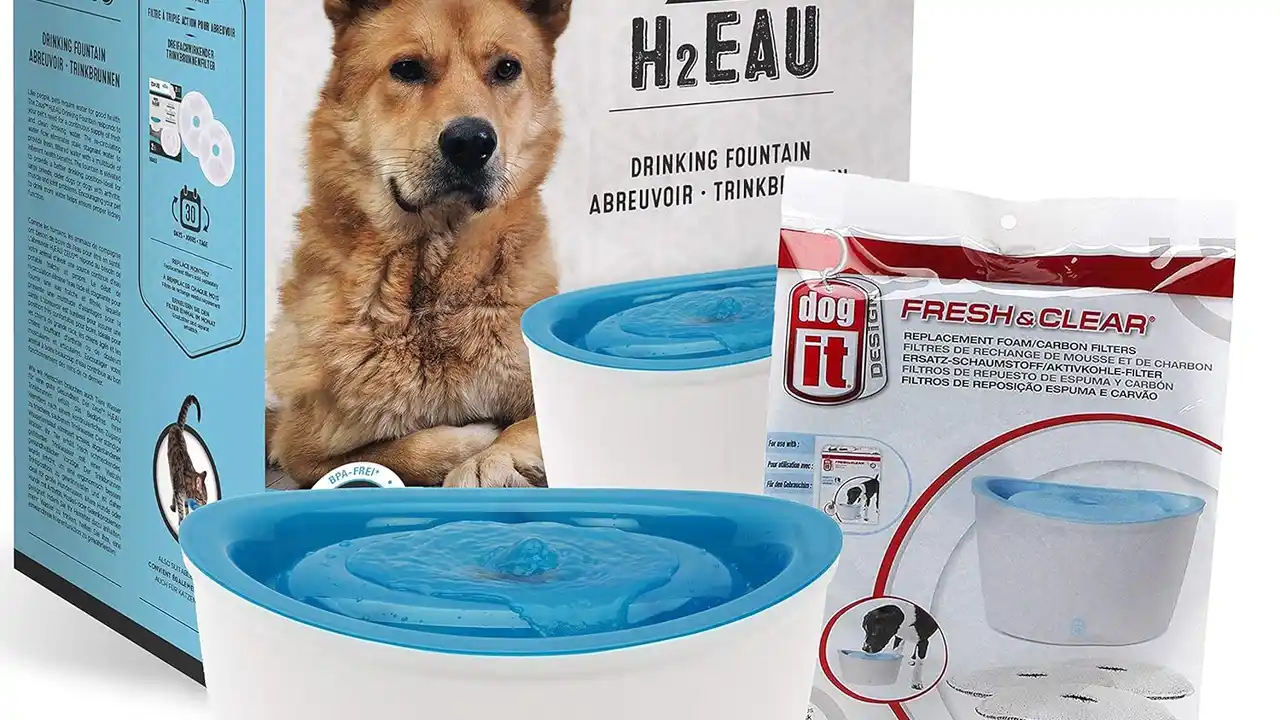
1. PetSafe Drinkwell Platinum Pet Fountain Best Overall Filtration and Capacity
The PetSafe Drinkwell Platinum Pet Fountain is a perennial favorite for its robust filtration system and generous water capacity, making it ideal for multi-pet households or extended holiday periods. It features a replaceable carbon filter that removes bad tastes and odors, and a foam filter that catches hair and debris, ensuring continuous clean water flow. The free-falling stream encourages pets to drink more, which is vital for their health.
* Filtration Technology: Activated carbon filter and foam pre-filter.
* Key Features: 168-ounce (approx. 5-liter) water capacity, adjustable water flow, submersible pump for quiet operation, easy to clean, dishwasher-safe (excluding pump).
* Usage Scenario: Excellent for everyday home use, especially for multiple pets or during holiday absences when you want to ensure a constant supply of fresh water. Its large capacity means less frequent refilling.
* Pros: Large capacity, effective filtration, encourages hydration, relatively quiet operation, durable build.
* Cons: Requires regular filter replacement (monthly recommended), some users find it slightly challenging to clean the pump area.
* Price Range: $50 - $70 USD.
* Where to Buy: Available on Amazon, Chewy, PetSmart, and PetSafe's official website.
2. Catit Flower Fountain Compact and Multi-Filter System
The Catit Flower Fountain is renowned for its appealing design and effective triple-action filtration system, making it a great choice for cats and small dogs. Its unique flower design offers three different water flow settings to entice picky drinkers. The triple-action filter combines a cotton mesh to filter out debris, activated carbon to remove odors and impurities, and ion exchange resin to soften tap water.
* Filtration Technology: Triple-action filter (cotton mesh, activated carbon, ion exchange resin).
* Key Features: 100-ounce (approx. 3-liter) water capacity, three water flow settings (gentle flow, bubbling top, or calm streams), compact and ergonomic design, easy to disassemble for cleaning.
* Usage Scenario: Perfect for single-pet households or smaller spaces. Its quiet operation and appealing design make it a great addition to any home, ensuring pets stay hydrated during holiday festivities.
* Pros: Excellent multi-stage filtration, quiet, attractive design, encourages drinking, easy to clean.
* Cons: Smaller capacity than some other fountains, filter replacement can be slightly more frequent depending on water quality.
* Price Range: $30 - $45 USD.
* Where to Buy: Widely available on Amazon, Chewy, Petco, and various online pet supply stores.
3. Lifestraw Go Water Filter Bottle for On-the-Go Hydration
While not a traditional pet fountain, the Lifestraw Go Water Filter Bottle is an indispensable tool for pet owners who travel frequently or enjoy outdoor adventures with their pets during the holidays. You can fill it with water from almost any source (excluding saltwater) and filter it on the spot for your pet. It uses a two-stage filtration system: a hollow fiber membrane filter that removes bacteria and parasites, and an activated carbon capsule that reduces chlorine, organic chemical matter, and bad taste.
* Filtration Technology: Hollow fiber membrane filter and activated carbon capsule.
* Key Features: Filters up to 1,000 liters (264 gallons) of contaminated water (microbiological filter), activated carbon filter lasts for 100 liters (26 gallons), leak-proof design, carabiner for easy attachment.
* Usage Scenario: Essential for holiday road trips, hiking, camping, or any outdoor activity where access to clean water for your pet might be limited. It provides peace of mind knowing you can provide safe drinking water anywhere.
* Pros: Highly effective at removing bacteria and parasites, portable, durable, ideal for emergencies and travel, no batteries required.
* Cons: Not designed for continuous home use, requires manual refilling, the flow rate can be slower than a fountain.
* Price Range: $35 - $50 USD.
* Where to Buy: Available on Amazon, REI, outdoor gear stores, and Lifestraw's official website.
Maintaining Your Pet Water Filter for Optimal Performance and Longevity
Regular maintenance is key to ensuring your pet's water filter continues to provide clean water and lasts for its intended lifespan. Neglecting maintenance can lead to reduced filtration efficiency, pump issues, and even bacterial growth.
Filter Replacement Schedules and Best Practices
Always adhere to the manufacturer's recommended filter replacement schedule. For most carbon filters, this is typically every 2-4 weeks, depending on water quality and pet usage. Ion exchange filters might have similar schedules. Mark your calendar or set reminders to ensure timely replacements. Using expired filters can lead to contaminants leaching back into the water or simply ineffective filtration.
Cleaning the Fountain or Bottle Components
Beyond filter replacement, regular cleaning of the entire fountain or bottle is crucial. Disassemble all parts and wash them thoroughly with warm, soapy water. Pay special attention to the pump, as hair and debris can easily clog it, leading to reduced water flow or pump failure. Use a small brush to clean crevices and hard-to-reach areas. Rinse all components thoroughly to remove any soap residue before reassembling.
Troubleshooting Common Issues with Pet Water Filters
* Reduced Water Flow: Often caused by a clogged filter or a dirty pump. Clean or replace the filter and thoroughly clean the pump.
* No Water Flow: Check if the pump is properly submerged and connected. Ensure there's enough water in the reservoir. If the pump is old, it might need replacement.
* Noisy Operation: Usually indicates low water levels, a dirty pump, or air trapped in the pump. Refill the water, clean the pump, or gently shake the fountain to release air bubbles.
* Algae or Slime Buildup: This is a sign that the fountain needs more frequent cleaning. Place the fountain away from direct sunlight, which can encourage algae growth.
Beyond Filters Additional Tips for Pet Hydration During Holidays
While water filters are excellent, consider these additional tips to ensure your pet stays well-hydrated, especially during the busy holiday season.
Offering Multiple Water Sources
Some pets prefer different types of water bowls or locations. Offer water in various spots around your home, perhaps a ceramic bowl in one room and a stainless steel one in another. This increases the chances your pet will drink regularly.
Adding Water to Food
For pets who are reluctant drinkers, adding a small amount of water or low-sodium broth to their wet or dry food can significantly boost their daily fluid intake. This is particularly helpful for pets on dry kibble diets.
Monitoring Water Intake
Keep an eye on how much your pet is drinking. Any significant changes in water consumption (either too much or too little) could be a sign of an underlying health issue and warrant a vet visit. During holidays, changes in routine or environment can sometimes affect drinking habits.
Considering Pet Specific Hydration Needs
Factors like age, activity level, diet, and health conditions influence a pet's hydration needs. Puppies and kittens, senior pets, and those with certain medical conditions (like kidney disease or diabetes) may require closer monitoring and specific hydration strategies. Always consult your veterinarian for personalized advice.
By investing in a quality pet water filter and following these hydration tips, you can ensure your beloved companion remains healthy and happy, enjoying the holiday season to the fullest.
:max_bytes(150000):strip_icc()/277019-baked-pork-chops-with-cream-of-mushroom-soup-DDMFS-beauty-4x3-BG-7505-5762b731cf30447d9cbbbbbf387beafa.jpg)