Manage indoor accidents during holiday periods with our guide to effective training pads.
Manage indoor accidents during holiday periods with our guide to effective training pads.
Essential Pet Training Pads for Indoor Use Your Ultimate Guide to Cleanliness and Convenience
Why Pet Training Pads Are a Holiday Lifesaver Indoor Potty Solutions
Holiday seasons bring joy, guests, and often, a disruption to your pet's routine. Whether it's a new puppy still learning the ropes, an older dog with occasional incontinence, or simply a need for an indoor potty solution during bad weather or busy times, training pads can be an absolute lifesaver. They offer a convenient and hygienic way to manage your pet's potty needs indoors, preventing accidents on your carpets and floors, especially when you're entertaining or unable to take your pet outside as frequently. For new pet parents, they are an indispensable tool in the house-training journey, providing a designated spot for your puppy to relieve themselves while they're still developing bladder control and learning outdoor cues. For adult dogs, they can be a temporary solution during recovery from surgery, during periods of extreme weather, or when you're away from home for extended periods. Understanding the different types of pads, their features, and how to use them effectively is key to a stress-free holiday season for both you and your furry friend.
Understanding the Different Types of Pet Training Pads Absorbency and Features
Not all training pads are created equal. They come in various designs, each offering different levels of absorbency, odor control, and special features. Choosing the right type depends on your pet's size, age, and specific needs.
Standard Absorbent Pads Basic and Reliable
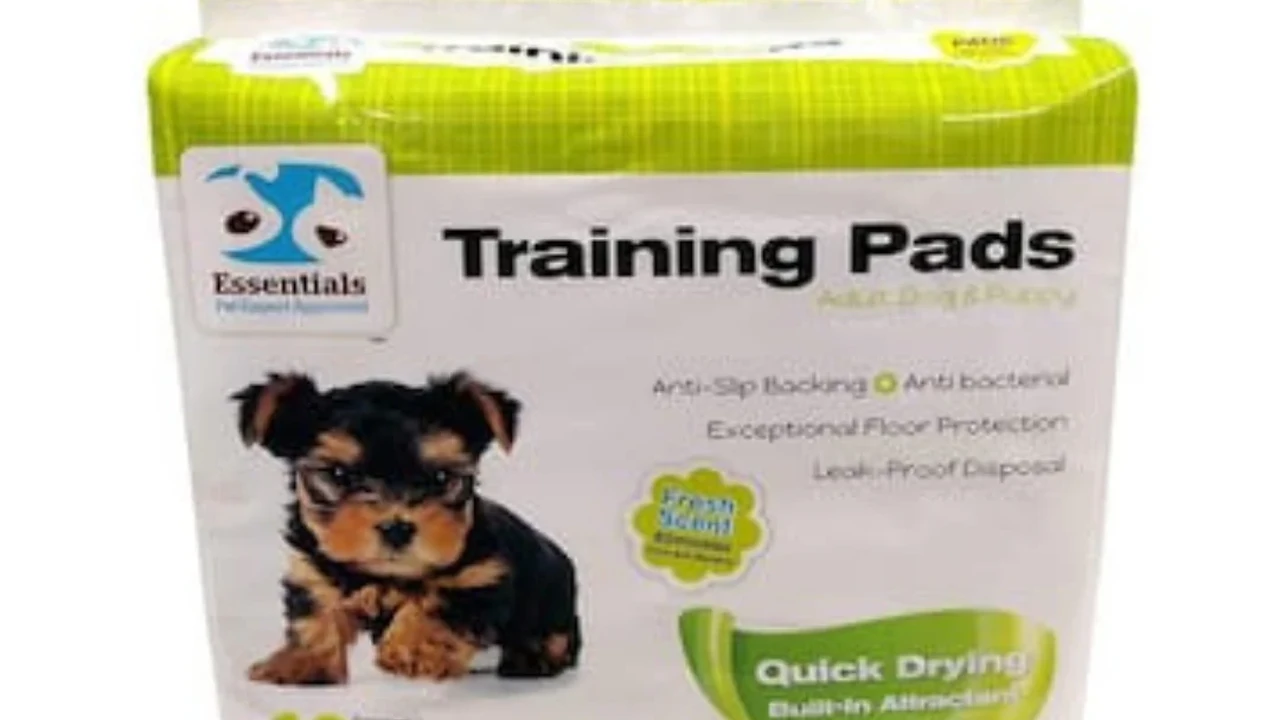
These are the most common type of training pads. They typically consist of several layers: a top layer that allows liquid to pass through, an absorbent core (often made of super-absorbent polymers, or SAP), and a waterproof backing to prevent leaks. They are generally good for puppies and smaller dogs with moderate needs. The absorbency varies significantly between brands, so it's worth checking the product specifications.
Extra Absorbent Pads For Heavy Duty Use
Designed for larger breeds, multiple pets, or pets with higher liquid output, these pads contain a greater quantity of super-absorbent polymers. They can hold more liquid without leaking, making them ideal for overnight use or when you're away from home for longer periods. Look for terms like 'extra absorbent,' 'heavy duty,' or 'maximum absorbency' on the packaging.
Odor Control Pads Freshness Guaranteed
Many training pads now incorporate activated charcoal or baking soda to neutralize odors, rather than just masking them. This is particularly beneficial for indoor use, especially in smaller living spaces or when you have guests. Odor control pads help maintain a fresh environment and are a great choice for pets that use pads frequently.
Attractant Pads Encouraging Use
Some pads are infused with a special pheromone or scent that is designed to attract pets, encouraging them to use the pad. These can be very helpful for house-training puppies, as they instinctively seek out the designated spot. However, not all pets respond to attractants, so it might be a trial-and-error process.
Washable Reusable Pads Eco-Friendly and Economical
For environmentally conscious pet owners or those looking for a long-term, cost-effective solution, washable pads are an excellent option. They are made from durable, absorbent fabrics with a waterproof backing and can be machine washed and reused hundreds of times. While the initial investment is higher, they save money in the long run and reduce waste. They are also often softer and more comfortable for pets.
Top Recommended Pet Training Pads Product Comparisons and Features
Let's dive into some specific product recommendations, comparing their features, ideal use cases, and approximate pricing.
1. Amazon Basics Pet Training and Potty Pads
* Description: These are a popular choice for their affordability and decent absorbency. They feature a super-absorbent core that turns liquid into gel, a quick-drying surface, and a plastic lining to prevent leaks. They come in various sizes.
* Ideal Use: Everyday use for puppies and small to medium-sized dogs. Good for basic house-training.
* Key Features: 5-layer design, quick-drying, leak-proof plastic lining.
* Approximate Price: $20-$40 for a pack of 100-150 pads, depending on size.
* Pros: Very cost-effective, widely available, good for general use.
* Cons: May not be sufficient for very large dogs or heavy wetters; odor control is minimal.
2. All-Absorb Training Pads
* Description: Known for their high absorbency, All-Absorb pads boast a 6-layer design with a super-absorbent polymer core. They also often include a built-in attractant to encourage use and offer good odor control.
* Ideal Use: Puppies, medium to large dogs, or households with multiple pets. Excellent for overnight use or when you need extra protection.
* Key Features: 6-layer design, quick-drying, built-in attractant, odor control.
* Approximate Price: $30-$50 for a pack of 100 pads.
* Pros: Superior absorbency, good odor control, attractant helps with training.
* Cons: Slightly more expensive than basic pads.
3. Wee-Wee Pads
* Description: A classic in the pet training world, Wee-Wee pads are known for their quilted 5-layer design and targeted attractant. They are designed to quickly absorb liquid and prevent tracking.
* Ideal Use: Primarily for puppies and small to medium-sized dogs during initial house-training.
* Key Features: 5-layer quilted design, targeted attractant, quick absorption.
* Approximate Price: $25-$45 for a pack of 50-100 pads.
* Pros: Trusted brand, effective attractant, good for puppies.
* Cons: Can be pricier per pad compared to some bulk options, absorbency might not be enough for very large accidents.
4. Pet Parents Washable Dog Pee Pads
* Description: These are premium reusable pads made with proprietary 'WickQuick' fabric that quickly wicks away moisture. They are highly absorbent, durable, and designed for hundreds of washes. They come in various sizes and colors.
* Ideal Use: Long-term solution for all dog sizes, especially for eco-conscious owners, senior dogs, or those with chronic incontinence. Great for crate liners or under food bowls.
* Key Features: Reusable, highly absorbent, durable, non-slip bottom, machine washable.
* Approximate Price: $20-$40 for a pack of 2 pads (initial investment is higher, but saves money over time).
* Pros: Eco-friendly, very cost-effective long-term, extremely absorbent, comfortable for pets.
* Cons: Requires washing, higher upfront cost.
5. Glad for Pets Training Pads with Activated Carbon
* Description: These pads leverage activated carbon to absorb and neutralize odors, not just mask them. They also feature a 5-layer construction for absorbency and a pheromone attractant.
* Ideal Use: Any dog size where odor control is a primary concern, especially in apartments or homes with sensitive noses.
* Key Features: Activated carbon for odor elimination, 5-layer protection, pheromone attractant.
* Approximate Price: $35-$55 for a pack of 100 pads.
* Pros: Excellent odor control, good absorbency, attractant helps with training.
* Cons: Slightly more expensive than standard pads.
Strategic Placement and Usage Maximizing Training Pad Effectiveness
Proper placement and consistent usage are crucial for successful training pad use. It's not just about laying a pad down; it's about creating a routine and a clear signal for your pet.
Initial Placement High Traffic Areas and Accessibility
Start by placing the pad in an easily accessible area, but away from your pet's food and sleeping areas. Pets instinctively avoid soiling where they eat or sleep. Good initial spots include a quiet corner of a room, a bathroom, or a laundry room. If you have a puppy, place it near their crate or playpen. For older dogs, consider areas they frequent or where accidents have previously occurred.
Gradual Relocation Moving Towards the Door
Once your pet consistently uses the pad, you can gradually move it closer to the door you want them to eventually use for outdoor potty breaks. Move the pad a few feet each day or every few days. This helps your pet associate the act of going to the bathroom with moving towards the exit. Eventually, the pad will be right by the door, and then you can transition it outside.
Consistency is Key Routine and Rewards
Take your pet to the pad frequently, especially after waking up, after meals, and before bedtime. Use a consistent verbal cue like 'potty' or 'go pee.' When your pet successfully uses the pad, praise them enthusiastically and offer a high-value treat immediately. This positive reinforcement is vital for them to understand what you want. Avoid punishment for accidents; simply clean them up thoroughly with an enzymatic cleaner to eliminate odors that might attract your pet back to the same spot.
Managing Accidents Cleaning and Prevention
Accidents will happen, especially during the training phase. When they do, clean them up immediately and thoroughly. Enzymatic cleaners are essential because they break down the odor-causing molecules, eliminating the scent that might encourage your pet to soil that spot again. Avoid using ammonia-based cleaners, as their scent can mimic urine and attract your pet. If your pet has an accident, calmly interrupt them, take them to the pad, and praise them if they finish there. Never scold or punish them, as this can create fear and anxiety around pottying.
Beyond the Pad Integrating Training Pads with Outdoor Potty Training
Training pads can be a stepping stone to outdoor potty training, not just a permanent solution. Here's how to make the transition smooth.
Combining Indoor and Outdoor Potty Breaks
Even if your pet is using pads indoors, continue to take them outside for potty breaks regularly. This helps them associate going outside with relieving themselves. Praise and reward them heavily for outdoor successes. The goal is for them to prefer going outside.
Phasing Out the Pads Gradual Transition
Once your pet is consistently going outside, you can start to phase out the pads. You might reduce the number of pads available, or make them smaller by cutting them. Eventually, you can remove them entirely. This process should be gradual to avoid confusion and accidents.
Addressing Regression When Training Goes Sideways
Sometimes, pets might regress in their training, especially during stressful periods like holidays or changes in routine. If this happens, don't get discouraged. Go back to basics: increase the frequency of potty breaks, reinforce positive behavior, and temporarily reintroduce pads if necessary. Patience and consistency are your best allies.
Common Challenges and Troubleshooting Pet Training Pad Issues
Even with the best intentions, you might encounter some hurdles. Here are common issues and how to address them.
My Pet Chews the Pads Destructive Behavior
Some pets, especially puppies, might see training pads as chew toys. This can be due to boredom, teething, or a lack of appropriate chew toys. Provide plenty of stimulating chew toys. You can also try using a pad holder or a designated potty area with raised edges to make the pad less accessible for chewing. Bitter apple spray can also be applied to the edges of the pad to deter chewing.
My Pet Misses the Pad Aiming Issues
If your pet is consistently missing the pad, consider a few factors. Is the pad large enough for them? For male dogs, a vertical target (like a 'pee post' designed for pads) might help. Ensure the pad is securely placed and not sliding around. Sometimes, a raised edge pad holder can help contain any misses. Also, observe your pet's posture; if they are squatting too far back, they might be missing the pad.
My Pet Refuses to Use the Pad Resistance to Training
If your pet refuses to use the pad, ensure it's not too close to their food or sleeping area. Try different brands of pads, especially those with attractants. Take your pet to the pad immediately after waking up or eating, and stay with them until they go. If they still refuse, consult with a professional dog trainer or veterinarian to rule out any underlying medical issues or behavioral problems.
Odor Problems Even with Odor Control Pads
Even with odor control pads, regular disposal is key. Change pads frequently, especially after each use. Ensure you're using an enzymatic cleaner for any accidents outside the pad. Good ventilation in the area where the pads are used can also help. For persistent odor issues, consider washable pads, as they can be thoroughly cleaned.
The Future of Pet Potty Solutions Innovations and Smart Products
The pet industry is constantly evolving, and training pads are no exception. We're seeing more innovative solutions emerge.
Smart Pet Potty Systems Technology Integration
Some companies are developing 'smart' potty systems that integrate with apps. These systems can track your pet's usage, alert you when a pad needs changing, and even provide insights into your pet's potty habits. While still niche, these could become more mainstream.
Eco-Friendly and Sustainable Options Beyond Washable Pads
Beyond washable pads, there's a growing demand for biodegradable and compostable disposable pads. These aim to reduce the environmental impact of traditional plastic-backed pads. Look for certifications and clear labeling regarding their biodegradability.
Specialized Pads for Specific Needs Senior Pets and Medical Conditions
Manufacturers are also creating more specialized pads, such as those with extra cushioning for senior pets with joint issues, or pads designed for pets recovering from surgery. These cater to specific needs, offering enhanced comfort and functionality.
Final Thoughts on Pet Training Pads A Tool for a Harmonious Home
Pet training pads are more than just absorbent squares; they are a valuable tool for managing your pet's potty needs, especially during the busy holiday season. Whether you're house-training a new puppy, accommodating an older dog, or simply providing an indoor option, the right pad can make a significant difference in maintaining a clean and harmonious home. By understanding the different types, choosing wisely, and implementing consistent training, you can ensure a stress-free environment for both you and your beloved companion. Remember, patience, positive reinforcement, and a good supply of quality pads are your best friends on this journey.
:max_bytes(150000):strip_icc()/277019-baked-pork-chops-with-cream-of-mushroom-soup-DDMFS-beauty-4x3-BG-7505-5762b731cf30447d9cbbbbbf387beafa.jpg)