Essential Pet Microchip Registration and Updates
Ensure your pet's microchip information is current for holiday travel and safety.
Ensure your pet's microchip information is current for holiday travel and safety.
Essential Pet Microchip Registration and Updates
Why Microchipping is Your Pet's Best Friend for Holiday Safety
Hey pet parents! As the holidays approach, our minds often turn to travel, family gatherings, and all the festive fun. But amidst the excitement, it's super important to think about our furry family members' safety. One of the absolute best ways to ensure your pet can find their way home if they ever get lost, especially during the hustle and bustle of holiday travel or new environments, is through microchipping. Think of a microchip as a permanent ID tag, a tiny device about the size of a grain of rice, implanted just under your pet's skin, usually between the shoulder blades. It's a quick, relatively painless procedure, much like a routine vaccination, and it can be a real lifesaver.
Unlike collars and tags, which can break, fall off, or be removed, a microchip is there for good. If your pet goes missing and ends up at a vet clinic or animal shelter, they'll be scanned for a microchip. This scan reveals a unique identification number. This number is then entered into a national pet recovery database, which links directly to your contact information. This is where the 'registration and updates' part becomes absolutely critical. A microchip without up-to-date registration information is like having a phone number but no one to call – it's useless! So, let's dive deep into why this tiny chip is a giant step for your pet's safety, especially during the holiday season, and how to make sure it's always working for you.
Understanding the Microchip Technology How It Works for Pet Recovery
So, how does this magical little chip actually work? It's pretty cool, actually. The microchip itself is a passive RFID (Radio Frequency Identification) device. This means it doesn't have a battery and doesn't transmit a signal constantly. Instead, it's activated by a scanner. When a vet or shelter staff member passes a special microchip scanner over your pet's skin, the scanner emits a low-frequency radio wave that powers up the chip. The chip then transmits its unique ID number back to the scanner. This number is then displayed on the scanner's screen.
Each microchip manufacturer has its own range of ID numbers, and these numbers are registered with specific pet recovery databases. For example, a chip from AVID will have a different number format than one from HomeAgain. This is why it's so important to register your chip with the correct database, and ideally, with multiple databases if possible, to maximize your pet's chances of being found. The databases are essentially massive online registries that store your pet's microchip number alongside your name, address, phone number, and sometimes even emergency contacts or medical information about your pet. When a lost pet is found and scanned, the shelter or vet calls the database, provides the microchip number, and the database provides your contact information, allowing for a happy reunion.
The Critical Importance of Microchip Registration Don't Skip This Step
Getting your pet microchipped is only half the battle. The other, equally important half, is registering that microchip. Many pet owners mistakenly believe that once the chip is implanted, their pet is automatically registered. This is rarely the case! While some vets or shelters might offer to register the chip for you as part of the service, it's always your responsibility to confirm that it's done and that your information is accurate and up-to-date. If the chip isn't registered, or if the information is outdated, that unique ID number is just a number – it won't lead anyone back to you.
Imagine this scenario: you're traveling for the holidays, and your pet gets spooked by fireworks or a new environment and slips away. Someone finds them, takes them to a local shelter, and they're scanned. If your microchip isn't registered, or if it's registered to an old address or phone number, that shelter has no way of contacting you. Your beloved pet could end up in a foster home, or worse, adopted by another family, simply because of a missing or outdated registration. This is why we can't stress enough: register your microchip immediately after implantation, and verify the information regularly.
How to Register Your Pet's Microchip Step by Step Guide
Registering your pet's microchip is usually a straightforward process. Here's a general guide:
- Get the Microchip Number: Your vet should provide you with a sticker or card containing your pet's microchip number after implantation. Make sure you have this number handy.
- Identify the Microchip Registry: The microchip number usually indicates which registry it belongs to. For example, if it starts with '981', it might be an AVID chip. If you're unsure, you can use an online microchip lookup tool (like AAHA Universal Pet Microchip Lookup Tool) which can tell you which company the chip is registered with, or at least which company manufactured it.
- Visit the Registry's Website: Go to the website of the microchip registry. Popular ones in the US include HomeAgain, AVID, AKC Reunite, PetLink, and Found Animals Microchip Registry.
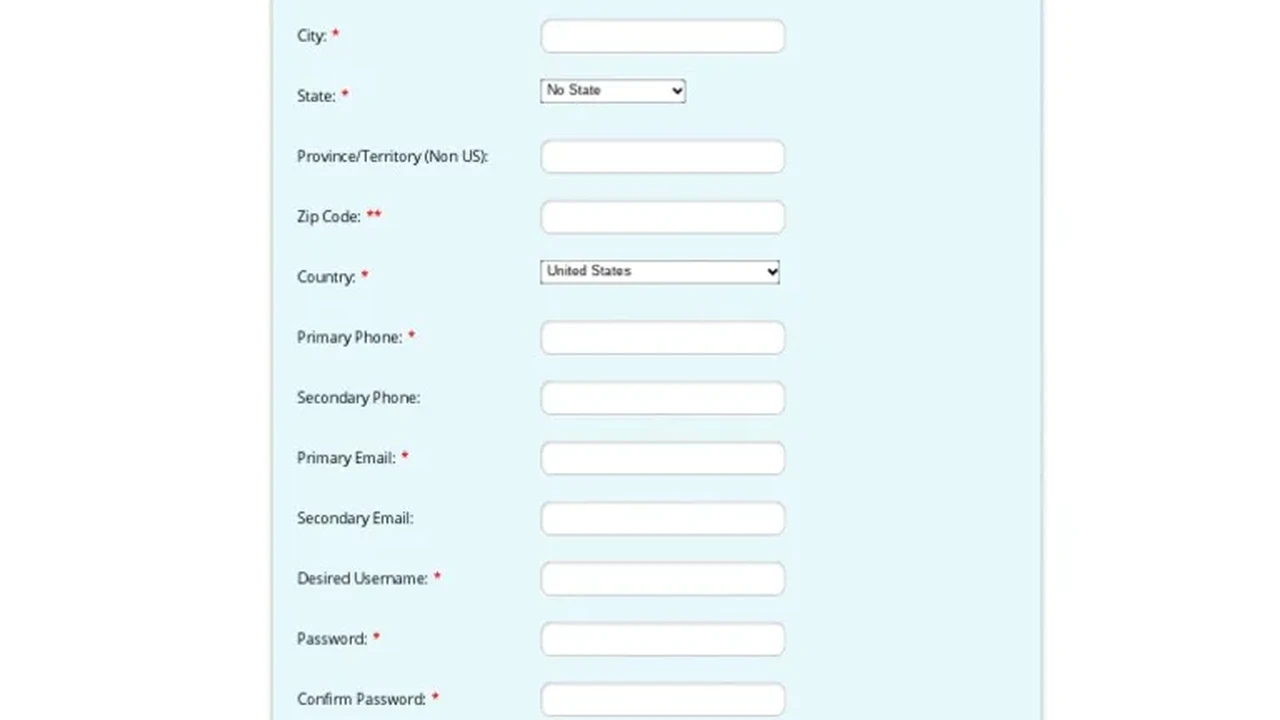
- Create an Account: You'll likely need to create an account with your personal information.
- Enter Your Pet's Information: Input your pet's microchip number, name, breed, age, and any distinguishing features.
- Provide Your Contact Information: This is the most crucial part. Enter your current phone numbers (cell, home, work), email address, and physical address. Consider adding an emergency contact who can be reached if you're unavailable.
- Pay the Registration Fee (if applicable): Some registries charge a one-time or annual fee for registration and services. Others are free.
- Confirm and Save: Double-check all the information for accuracy before submitting. Once submitted, you should receive a confirmation email. Save this for your records.
Pro Tip: Consider registering your pet's microchip with multiple registries, especially if one is free. Some services allow you to register chips from other manufacturers, providing an extra layer of security.
Keeping Your Microchip Information Current The Annual Check-Up
Life happens, right? We move, we change phone numbers, we get new email addresses. And every time one of these changes occurs, it's a red flag for your pet's microchip information. An outdated microchip is almost as bad as no microchip at all. That's why it's absolutely essential to make updating your pet's microchip information a regular habit. We recommend doing an annual check-up, perhaps around your pet's birthday or during their annual vet visit. Here's what to do:
- Log In to Your Registry Account: Go to the website where you registered your pet's microchip.
- Review All Information: Carefully check your name, address, phone numbers, email address, and any emergency contact information.
- Update as Needed: If anything has changed, update it immediately. Don't put it off!
- Confirm Changes: Make sure to save any changes you make.
- Consider a Secondary Registry: If you haven't already, consider registering with a free universal registry like Found Animals Microchip Registry, even if you're already with a paid service. This provides an additional safety net.
When to Update Immediately:
- You move to a new address.
- You change your phone number.
- You change your email address.
- You get a new emergency contact, or your emergency contact's information changes.
- Your pet's medical condition changes significantly (if your registry allows for this information).
Comparing Popular Microchip Registries and Their Services
There are several reputable microchip registries out there, each offering slightly different services and pricing models. Understanding these differences can help you choose the best fit for your needs, or at least know what to expect from the one your vet uses. Here's a look at some of the most popular ones:
HomeAgain
Overview: HomeAgain is one of the most widely recognized microchip and pet recovery services in North America. They offer a comprehensive suite of services beyond just microchip registration.
Key Features:
- 24/7 Pet Recovery Network: They have a dedicated team available around the clock to help reunite lost pets with their owners.
- Lost Pet Alerts: If your pet goes missing, HomeAgain sends out rapid lost pet alerts to members of their network (vets, shelters, and pet rescuers) within a 25-mile radius of where your pet was lost.
- Travel Assistance: They offer emergency medical assistance for pets found far from home, covering up to $500 in emergency medical care.
- Pet Poison Control Hotline: Access to a 24/7 ASPCA Animal Poison Control Center hotline.
- Pet ID Tags: They often provide a free engraved ID tag with your pet's microchip number and HomeAgain contact info.
Pricing: HomeAgain typically charges an annual membership fee, which covers all their recovery services. This fee can vary but is generally around $20-$25 per year. Some vets include a year of membership with the microchip implantation.
User Scenario: Perfect for pet owners who travel frequently or want the added peace of mind of a comprehensive recovery service with extra benefits like poison control access.
AKC Reunite
Overview: While associated with the American Kennel Club, AKC Reunite registers all types of pets, not just purebred dogs. They focus heavily on reunification services.
Key Features:
- Lifetime Enrollment: One of their biggest selling points is a one-time registration fee for the lifetime of your pet, with no annual fees.
- 24/7/365 Recovery Service: Their call center is always available to assist with lost pet reports and reunifications.
- Lost Pet Alerts: Similar to HomeAgain, they send out alerts to local shelters and vets when a pet is reported missing.
- Pet Disaster Relief: They have a strong focus on disaster preparedness and reunification efforts during emergencies.
Pricing: A one-time lifetime registration fee, typically around $19.95. They also offer optional add-on services for an additional cost.
User Scenario: Ideal for pet owners looking for a reliable, one-time payment solution for microchip registration without recurring annual fees.
PetLink
Overview: PetLink is another popular microchip registry, often associated with Datamars microchips. They offer a straightforward registration and recovery service.
Key Features:
- Lifetime Registration: Like AKC Reunite, PetLink offers a one-time registration fee for the life of your pet.
- 24/7 Recovery Service: Their call center is available around the clock.
- Free Updates: You can update your contact information for free at any time.
- Lost Pet Posters: They can help generate lost pet posters for you.
Pricing: A one-time lifetime registration fee, usually around $19.95. Some vets include this fee with the microchip implantation.
User Scenario: A good choice for pet owners who prefer a simple, lifetime registration model with essential recovery services.
Found Animals Microchip Registry
Overview: This is a non-profit organization that offers a free, universal microchip registry. This means you can register any brand of microchip with them.
Key Features:
- Free Lifetime Registration: This is their biggest advantage – no fees ever!
- Universal Registry: You can register microchips from any manufacturer. This is fantastic for cross-referencing.
- Online Portal: Easy to use online portal for managing your pet's information.
Pricing: Free!
User Scenario: Highly recommended as a secondary registry for all pet owners, regardless of their primary paid service. It's a great backup and ensures your pet's chip is searchable across multiple databases.
AVID (American Veterinary Identification Devices)
Overview: AVID is one of the original microchip manufacturers and also operates its own pet recovery service. Many older microchips are AVID chips.
Key Features:
- Long-standing Reputation: AVID has been in the microchipping business for a very long time.
- 24/7 Recovery Service: Their recovery service is available around the clock.
Pricing: AVID typically charges a one-time registration fee, which can vary. Some vets include this in the microchip cost.
User Scenario: If your pet was chipped with an AVID chip, registering directly with them is the most direct route. Also a good option for those who prefer established brands.
The Universal Microchip Lookup Tool Your Best Friend in a Crisis
What if you find a lost pet, or your pet is found, and you don't know which registry the microchip belongs to? This is where the AAHA Universal Pet Microchip Lookup Tool comes in incredibly handy. This tool, provided by the American Animal Hospital Association (AAHA), is a non-profit, internet-based application that allows you to enter any microchip number and find out which participating registry it's associated with. It doesn't give you the owner's contact information directly (for privacy reasons), but it tells you which database to contact.
How it works: You simply enter the microchip number into the search bar. The tool then queries all participating microchip registries. It will then tell you which registry (e.g., HomeAgain, AKC Reunite, PetLink) has information for that chip number, along with their contact information. This streamlines the process of reuniting lost pets with their owners, as it eliminates the guesswork of trying to figure out which registry to call.
Why it's important for you: Even if you've registered your pet's chip, it's a good idea to occasionally use this tool yourself to ensure your chip is indeed showing up in a searchable database. It's a quick and easy way to verify that your registration is active and linked correctly.
Beyond the Basics Advanced Tips for Microchip Safety During Holidays
While microchipping and registration are the foundation, there are a few extra steps you can take to bolster your pet's safety, especially during the busy holiday season:
Dual Identification
Even with a microchip, always ensure your pet wears a collar with up-to-date ID tags. These tags should include your phone number and your pet's name. While microchips are permanent, a visible ID tag is often the first thing someone looks for and can lead to a quicker reunion without needing a scanner. Consider a tag that says 'Microchipped' as well.
Travel Preparedness
If you're traveling for the holidays, bring a copy of your pet's microchip registration information with you. Keep it with their vaccination records. In case of an emergency, having this information readily accessible can save valuable time.
Temporary Tags for Travel
If you're staying at a different address for the holidays, consider getting a temporary ID tag made with the temporary address and a local contact number if possible. This adds another layer of immediate contact information for someone who finds your pet in an unfamiliar area.
Update Vet Records
Ensure your veterinarian has your current contact information and your pet's microchip number on file. If your pet is found and taken to a vet, they might check their own records first.
Pet Profile Photos
Keep clear, recent photos of your pet on your phone. If your pet goes missing, these photos will be invaluable for creating 'lost pet' posters and sharing on social media. Include photos from different angles and showing any unique markings.
Social Media Alerts
Familiarize yourself with local lost and found pet groups on social media platforms like Facebook. If your pet goes missing, these groups can be incredibly effective for spreading the word quickly within the community.
Common Microchip Myths Debunked
Let's clear up some common misconceptions about microchips:
- Myth: Microchips are GPS trackers. Fact: No, they are not. Microchips are passive devices that only provide an ID number when scanned. They do not transmit a real-time location. For GPS tracking, you'd need a separate GPS collar device.
- Myth: Microchips hurt the pet. Fact: The implantation process is very quick and similar to a routine vaccination. Most pets react minimally, if at all. The discomfort is momentary.
- Myth: Microchips can migrate. Fact: While rare, it is possible for a microchip to migrate slightly from its original implantation site. However, modern microchips are designed with anti-migration caps to minimize this. Vets are trained to scan the entire body of a lost pet to locate a migrated chip.
- Myth: Microchips require batteries. Fact: No, they are passive RFID devices and do not require a power source or battery. They are powered by the scanner's radio waves.
- Myth: All scanners read all chips. Fact: While universal scanners are becoming more common, older scanners might not read all chip frequencies (e.g., 125 kHz vs. 134.2 kHz ISO standard). This is why registering with multiple registries and using the AAHA lookup tool is beneficial.
Making Microchip Updates a Holiday Tradition
As you prepare for the holiday season, add 'check pet microchip info' to your holiday to-do list right alongside 'buy gifts' and 'decorate the tree.' It's a small task that can have a monumental impact on your pet's safety and your peace of mind. Imagine the relief of getting that call that your lost pet has been found, all thanks to an up-to-date microchip. It's the best holiday gift you can give your furry family member – the gift of a safe return home.
So, whether you're staying home or venturing out, take a few minutes to log into your microchip registry account. Verify your contact details. If you've moved or changed phone numbers, update them immediately. If your pet isn't microchipped yet, talk to your vet about getting it done before the holiday rush. This simple act of preparedness can turn a potential holiday nightmare into a happy reunion story. Stay safe and have a wonderful holiday season with your beloved pets!
:max_bytes(150000):strip_icc()/277019-baked-pork-chops-with-cream-of-mushroom-soup-DDMFS-beauty-4x3-BG-7505-5762b731cf30447d9cbbbbbf387beafa.jpg)