Essential Pet ID Tags and Microchipping for Travel
{ "article": [ { "title": "Essential Pet ID Tags and Microchipping for Travel", "meta_description": "Secure your pet's identification for holiday travel with our tips on ID tags and microchipping.", "content": "Secure your pet's identification for holiday travel with our tips on ID tags and microchipping.\n\n
\n\n
Hey there, fellow pet parents! As the holiday season approaches, many of us are dreaming of getaways, family visits, or just a change of scenery. And for a growing number of us, our beloved furry companions are coming along for the ride. While packing their favorite toys and treats is a given, there's something far more crucial to consider for their safety: proper identification. We're talking about pet ID tags and microchipping – the dynamic duo that can literally be a lifesaver if your pet ever gets lost, especially in unfamiliar holiday environments. Let's dive deep into why these are non-negotiable for any pet traveling with you, and how to make sure you're using them effectively.
\n\nWhy Pet Identification is Crucial for Holiday Travel
\n\nImagine this: you're at a bustling airport, a busy rest stop, or a new vacation rental. A door is left ajar, a leash slips, or your curious canine spots a squirrel and takes off. In a flash, your pet could be disoriented and lost in an unfamiliar place. This is where robust identification becomes your pet's best chance of a swift and safe return. Without it, finding them becomes a needle-in-a-haystack scenario. Holiday travel often means increased noise, new smells, and different routines, all of which can heighten a pet's anxiety and increase the risk of them getting separated from you. Having clear, up-to-date identification dramatically increases the odds of a happy reunion.
\n\nThe Power of Pet ID Tags for Quick Identification
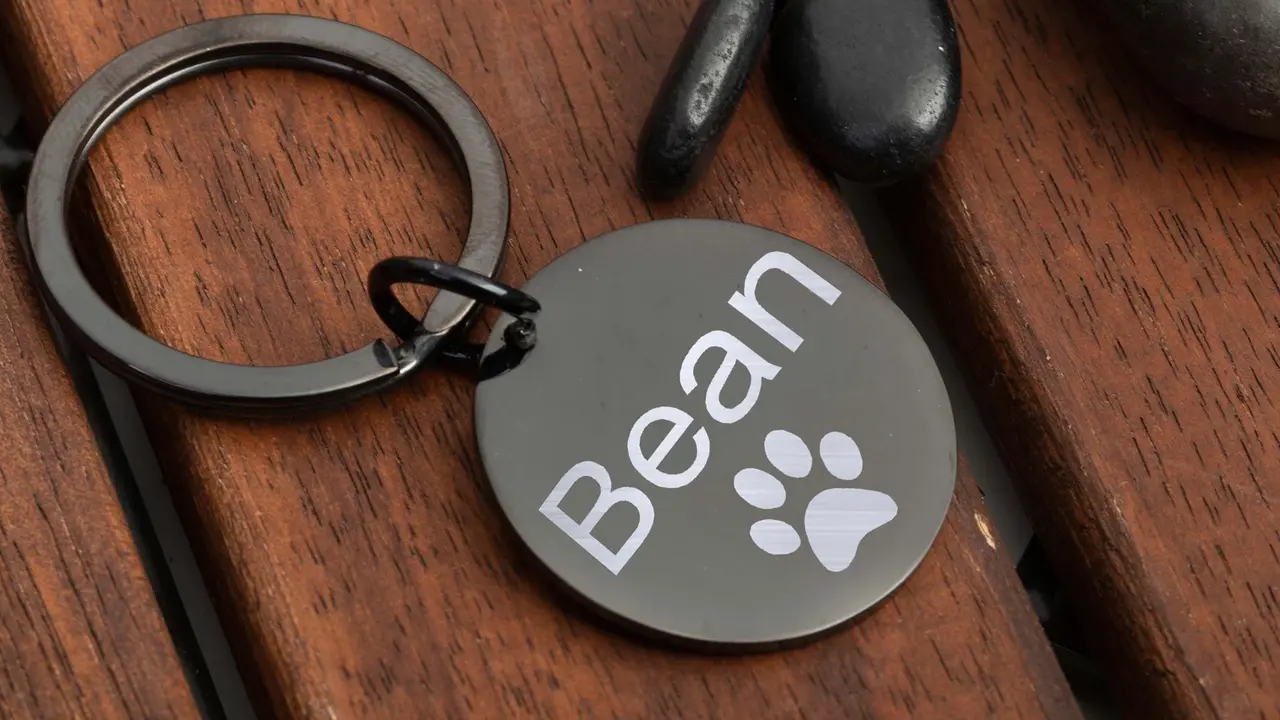
\n\nID tags are the first line of defense. They're visible, immediate, and provide crucial information at a glance. Think of them as your pet's business card. When someone finds your lost pet, the first thing they'll look for is a collar with a tag. This allows for immediate contact without needing special equipment. But not all ID tags are created equal, and what you put on them matters.
\n\nWhat to Include on Your Pet's ID Tag for Travel
\n\n- \n
- Your Primary Phone Number: This is non-negotiable. Make sure it's a number you'll answer, even if it's an unknown caller. \n
- An Alternate Phone Number: A family member, a trusted friend, or even your vet's office. This is a great backup. \n
- Your Pet's Name: While some argue against this for fear of dognapping, for lost pets, it can help a finder establish trust. \n
- \"REWARD\" (Optional but Recommended): A simple word can be a powerful motivator for someone to go the extra mile to return your pet. \n
- Medical Needs (If Applicable): \"Diabetic,\" \"Needs Meds,\" or \"Blind\" can alert a finder to special care requirements. \n
- City and State (Optional): If you're traveling far, your home city might not be as helpful as a local contact. Consider a temporary tag with your holiday location if you'll be there for an extended period. \n
Comparing Popular Pet ID Tag Options and Their Features
\n\nWhen it comes to ID tags, you've got a few choices, each with its pros and cons. Consider durability, readability, and how much information you can fit.
\n\n1. Engraved Metal Tags: Classic and Durable
\nThese are the most common type. They're sturdy and come in various shapes and sizes. The key is the engraving quality.
\n- \n
- Pros: Very durable, widely available, relatively inexpensive. \n
- Cons: Engraving can wear down over time, limited space for information. \n
- Recommended Products:\n
- \n
- GoTags Stainless Steel Pet ID Tag: Known for deep, clear engraving that lasts. Available in multiple shapes. Prices typically range from $8-$15. \n
- Boomerang Tags: These slide onto the collar, making them silent and less prone to getting snagged or lost. They offer excellent durability and readability. Prices around $15-$25. \n
\n - Usage Scenario: Ideal for everyday wear and travel. The stainless steel options are great for active pets or those who love water. \n
2. Embroidered Collar Tags: Silent and Integrated
\nInstead of a dangling tag, your pet's information is embroidered directly onto their collar.
\n- \n
- Pros: Silent (no jingle!), won't fall off, very comfortable for the pet. \n
- Cons: Less information can be displayed, collar needs to be replaced if information changes, can get dirty. \n
- Recommended Products:\n
- \n
- Personalized Embroidered Dog Collar by Orvis: High-quality nylon collars with clear, durable embroidery. Prices typically $25-$40. \n
- Yellow Dog Design Personalized Dog Collar: Offers a wide range of colors and patterns with custom embroidery. Prices around $20-$35. \n
\n - Usage Scenario: Excellent for pets who are bothered by jingling tags or for those who are very active and might lose traditional tags. \n
3. QR Code Tags: Modern and Information-Rich
\nThese tags feature a QR code that, when scanned with a smartphone, links to an online profile with extensive information about your pet.
\n- \n
- Pros: Can store a vast amount of information (multiple contacts, medical history, photos, vet info), easy to update online. \n
- Cons: Requires a smartphone and internet access to read, less immediate than a phone number. \n
- Recommended Products:\n
- \n
- PetHub Digital Pet ID Tag: Offers a free online profile and a durable tag. They also have a 24/7 lost pet recovery service. Tags are typically $15-$25, with optional premium services. \n
- Pawscout Smarter Pet Tag: Combines a QR code with Bluetooth technology to create a virtual leash and community lost pet network. Tags are around $20-$30. \n
\n - Usage Scenario: Best as a secondary tag, complementing a traditional engraved tag. Great for pets with complex medical needs or owners who want to provide maximum information. \n
Microchipping: The Permanent Identification Solution
\n\nWhile ID tags are fantastic, they can fall off, become unreadable, or be removed. This is where microchipping comes in as the ultimate backup. A microchip is a tiny, rice-sized transponder implanted just under your pet's skin, usually between the shoulder blades. It contains a unique identification number that can be read by a special scanner.
\n\nHow Microchips Work and Why They're Essential for Travel
\n\nWhen a lost pet is found and taken to a vet clinic, animal shelter, or humane society, they will routinely scan for a microchip. If a chip is detected, the unique ID number is then entered into a national pet recovery database. This database links the chip number to your contact information, allowing the facility to get in touch with you. It's a permanent form of identification that cannot be lost or altered.
\n\nFor travel, especially international travel, microchipping is often a legal requirement. Even for domestic travel, it provides an invaluable layer of security. If your pet's collar and tags are somehow lost, the microchip remains, offering a reliable way to identify them.
\n\nChoosing a Microchip and Ensuring Registration
\n\nMost vets offer microchipping services, and the procedure is quick and relatively painless, similar to a routine vaccination. The cost typically ranges from $25 to $50, sometimes more if it's part of a larger vet visit. The brand of microchip (e.g., AVID, HomeAgain, PetLink) is less important than ensuring it's registered with a reputable pet recovery database.
\n\nKey Considerations for Microchip Effectiveness
\n\n- \n
- Registration is Paramount: A microchip is useless if it's not registered or if your contact information is outdated. This is the single most common reason microchips fail to reunite pets with their owners. \n
- Keep Information Updated: If you move, change phone numbers, or even go on an extended holiday, make sure your microchip registration details are current. Many databases allow you to update information online. \n
- Check for Universal Scanners: While most modern scanners are universal, capable of reading different chip frequencies, it's worth noting that older scanners might not be. Reputable databases work to ensure compatibility. \n
- Consider a Lifetime Registration: Some microchip companies offer a one-time fee for lifetime registration, avoiding annual renewal fees. \n
Comparing Popular Microchip Databases and Services
\n\nOnce your pet is microchipped, the next crucial step is registering that chip with a reliable database. Here are some of the most popular ones in the US, often used by vets:
\n\n1. HomeAgain: Comprehensive Pet Recovery Service
\nHomeAgain is one of the largest and most well-known pet recovery services. They offer a robust database and additional services.
\n- \n
- Features: 24/7 emergency pet recovery, lost pet alerts to local shelters and vets, travel assistance for lost pets, pet medical insurance benefits (with premium membership). \n
- Cost: Microchip implantation fee (varies by vet) plus an annual membership fee (around $20-$30) or a one-time lifetime fee (around $100-$150, often included with the chip purchase). \n
- Usage Scenario: Excellent for owners who want comprehensive support and peace of mind, especially for frequent travelers. \n
2. PetLink: Global Pet Recovery Network
\nPetLink is another widely used database, known for its global reach and straightforward registration process.
\n- \n
- Features: 24/7 pet recovery service, international database, free lifetime registration for many chips (check with your vet). \n
- Cost: Microchip implantation fee (varies by vet). Registration is often free for the lifetime of the pet if the chip is a Datamars chip. \n
- Usage Scenario: Ideal for owners seeking a reliable, no-frills, and potentially free-for-life registration service, especially if considering international travel. \n
3. AKC Reunite: Non-Profit Pet Recovery
\nAKC Reunite is a non-profit organization dedicated to pet recovery, often associated with purebred dogs but open to all pets.
\n- \n
- Features: 24/7/365 recovery service, lifetime enrollment with no annual fees, provides collar tags with enrollment. \n
- Cost: Microchip implantation fee (varies by vet) plus a one-time enrollment fee (around $20-$30). \n
- Usage Scenario: Great for owners who prefer a non-profit organization and a one-time payment for lifetime coverage. \n
Best Practices for Pet Identification During Holiday Travel
\n\nHaving the right tools is only half the battle. Using them effectively is key. Here are some tips to maximize your pet's safety during holiday adventures:
\n\nDouble Up on Identification
\n\nAlways use both an ID tag and a microchip. The tag provides immediate visual identification, while the microchip offers a permanent, tamper-proof backup. If your pet loses their collar, the microchip is still there. If a finder doesn't have a scanner, the tag provides immediate contact info.
\n\nUpdate Contact Information Regularly
\n\nBefore any trip, take a few minutes to log into your microchip database account and verify that all your contact information is current. This includes phone numbers (cell and a backup), email addresses, and your current address. If you're staying at a holiday rental for an extended period, consider adding a temporary local contact number or the rental address to your pet's online profile if your QR tag allows it.
\n\nConsider a Temporary Travel Tag
\n\nFor longer trips, especially to different states or countries, consider getting a temporary ID tag that includes your current travel contact information (e.g., your cell phone and the name/number of your temporary accommodation). This can be particularly helpful if your pet gets lost in an area where your home address might not be immediately useful.
\n\nEnsure Collar Fit and Durability
\n\nMake sure your pet's collar fits snugly enough that it won't slip off, but loose enough for comfort (you should be able to fit two fingers underneath). Check the collar's condition regularly for wear and tear, especially before and during travel. A sturdy, well-maintained collar is essential for keeping that ID tag in place.
\n\nCarry Pet Photos and Medical Records
\n\nWhile not identification in themselves, having recent, clear photos of your pet (especially full-body shots and close-ups of unique markings) can be invaluable if you need to create "lost pet" posters or share information online. Also, carry a copy of your pet's vaccination records and any important medical information, especially if they have chronic conditions. This can be crucial if they need veterinary care while lost or found.
\n\nEducate Your Travel Companions
\n\nIf you're traveling with family or friends, make sure they know your pet's identification status and what to do if your pet gets lost. Share your contact information and emphasize the importance of checking for ID tags and microchips.
\n\nFinal Thoughts on Pet Identification for Holiday Adventures
\n\nPreparing your pet for holiday travel goes beyond packing their favorite blanket. Ensuring they have proper, up-to-date identification through both ID tags and microchipping is one of the most responsible and loving things you can do. It's a small investment that offers immense peace of mind, knowing that if the unthinkable happens, you've given your furry family member the best possible chance of finding their way back home to you. So, before you hit the road or take to the skies, double-check those tags and confirm that microchip registration. Happy and safe travels to you and your beloved pets!
" } ] }:max_bytes(150000):strip_icc()/277019-baked-pork-chops-with-cream-of-mushroom-soup-DDMFS-beauty-4x3-BG-7505-5762b731cf30447d9cbbbbbf387beafa.jpg)