Essential Pet Friendly Holiday Party Planning
Host a safe and enjoyable holiday party for both humans and pets with our planning guide.
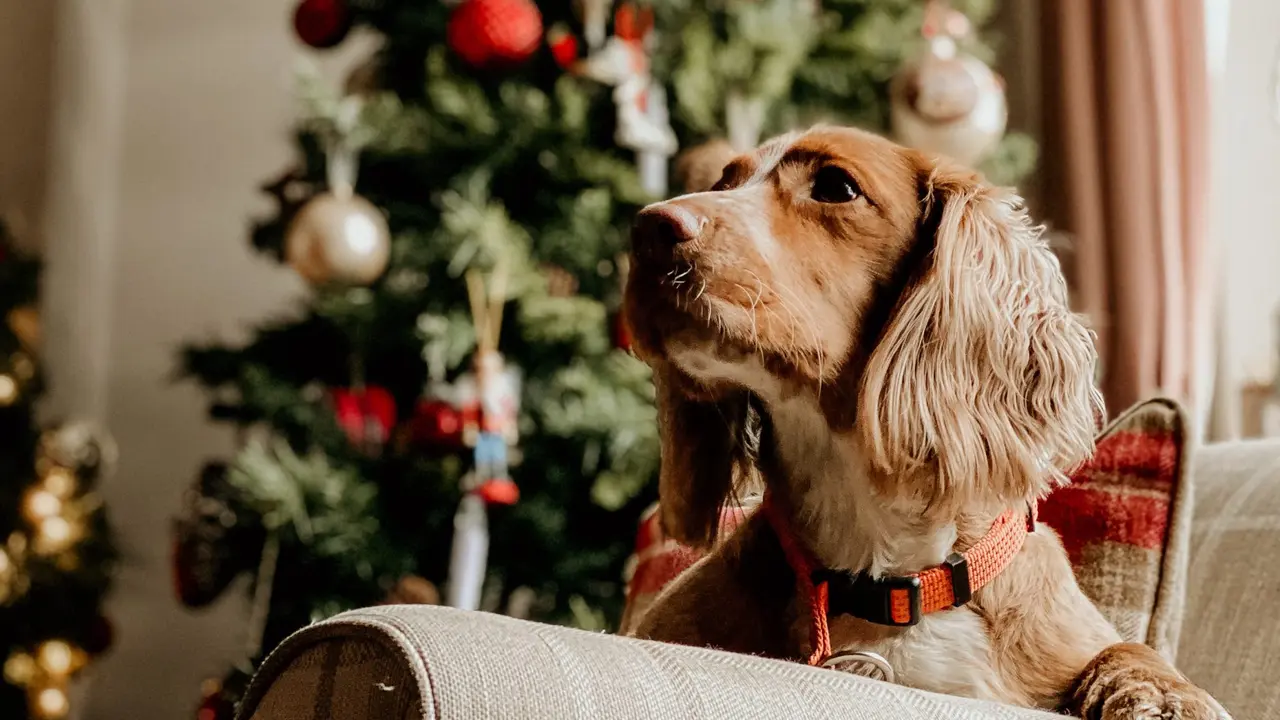
Host a safe and enjoyable holiday party for both humans and pets with our planning guide.
Essential Pet Friendly Holiday Party Planning
Why Pet Friendly Party Planning Matters for Holiday Gatherings
The holiday season is a time for joy, celebration, and gathering with loved ones. For many of us, our pets are an integral part of our families, and it's only natural to want to include them in the festivities. However, holiday parties can present unique challenges and potential hazards for our furry friends. From tempting human foods to unfamiliar faces and loud noises, a typical holiday gathering can quickly become overwhelming or even dangerous for pets. That's why essential pet-friendly holiday party planning isn't just a good idea; it's crucial for ensuring the safety, comfort, and happiness of both your human and animal guests.
When you proactively plan for your pet's involvement and well-being, you create an environment where everyone can relax and enjoy themselves. This means thinking about everything from safe spaces for your pet to retreat to, to pet-safe decorations, and even how to manage interactions between your pet and unfamiliar guests. By taking these steps, you can prevent stress-related behaviors in your pet, avoid accidental ingestions of harmful substances, and ensure that your holiday memories are happy ones, free from emergency vet visits or lost pet scares.
Pre Party Pet Preparation and Guest Communication
Before the first guest even rings your doorbell, a significant amount of preparation can be done to ensure a smooth pet-friendly party. This starts with your pet. Consider their personality: are they a social butterfly who thrives on attention, or do they prefer a quiet corner? Tailor your plans accordingly. For social pets, ensure they are well-exercised before the party to burn off excess energy. For shy or anxious pets, creating a designated 'safe zone' is paramount. This could be a quiet bedroom with their bed, water, and favorite toys, away from the main party area.
Communication with your guests is equally important. When sending out invitations, it's a good idea to mention that pets will be present. This allows guests with allergies or phobias to prepare or make alternative arrangements. You can also politely request that guests refrain from feeding your pet human food, no matter how tempting, as many common holiday foods can be toxic or cause digestive upset. A simple note on the invitation or a friendly reminder upon arrival can go a long way.
Furthermore, if you have a pet that tends to jump or get overly excited, consider a brief training refresher on 'sit' or 'stay' commands. Having a leash handy for controlled greetings can also be beneficial, especially for larger or more boisterous dogs. For cats, ensure their litter box is clean and easily accessible, but also in a private location where they won't be disturbed.
Creating Safe Zones and Retreat Spaces for Pets
One of the most critical aspects of pet-friendly party planning is establishing safe zones. Even the most social pet can become overwhelmed by a house full of unfamiliar people, loud music, and constant activity. A designated retreat space provides your pet with a sanctuary where they can feel secure and decompress. This space should be quiet, comfortable, and off-limits to guests, especially children who might not understand the importance of leaving a pet undisturbed.
For dogs, a crate can serve as an excellent safe zone if they are crate-trained and view it as a positive space. Alternatively, a spare bedroom, a quiet den, or even a large walk-in closet can work. Equip this space with their favorite bed or blanket, a water bowl, and a few comforting toys. Consider using a white noise machine or playing calming music to muffle party sounds. For cats, a high perch or a cozy hiding spot in a quiet room is ideal. Ensure their litter box is also in this private area.
To enforce these safe zones, consider using baby gates or pet gates to block off access to certain areas. This not only protects your pet but also prevents them from wandering into areas where they might encounter hazards or be accidentally stepped on. For example, a gate across the kitchen entrance can prevent curious pets from accessing dropped food or hot surfaces.
Recommended Products for Safe Zones and Boundaries
- Regalo Easy Step Walk Thru Gate: This pressure-mounted gate is easy to install and move, perfect for temporarily blocking off rooms. It's sturdy and comes with extensions for wider doorways. Price: Approximately $40-$60.
- MidWest Homes for Pets Life Stages Dog Crate: A durable, foldable wire crate that provides a secure den for dogs. Available in various sizes to suit different breeds. Price: Approximately $30-$100 depending on size.
- PetSafe Stay & Play Wireless Fence: For larger homes or outdoor areas, a wireless fence can create a boundary without physical barriers, though it requires prior training. Price: Approximately $250-$350.
- Feliway Classic Diffuser (for cats): Releases calming pheromones that can help reduce stress and anxiety in cats, making their safe zone even more comforting. Price: Approximately $20-$30 for diffuser and refill.
- ThunderShirt Classic Dog Anxiety Vest: Applies gentle, constant pressure to calm anxious dogs, which can be helpful if they are still exposed to some party noise. Price: Approximately $40-$50.
Pet Safe Holiday Decorations and Food Management
Holiday decorations, while beautiful, can pose significant risks to pets. Tinsel, ornaments, lights, and certain plants can be tempting to chew on or ingest, leading to choking hazards, intestinal blockages, or poisoning. When decorating, always prioritize pet safety.
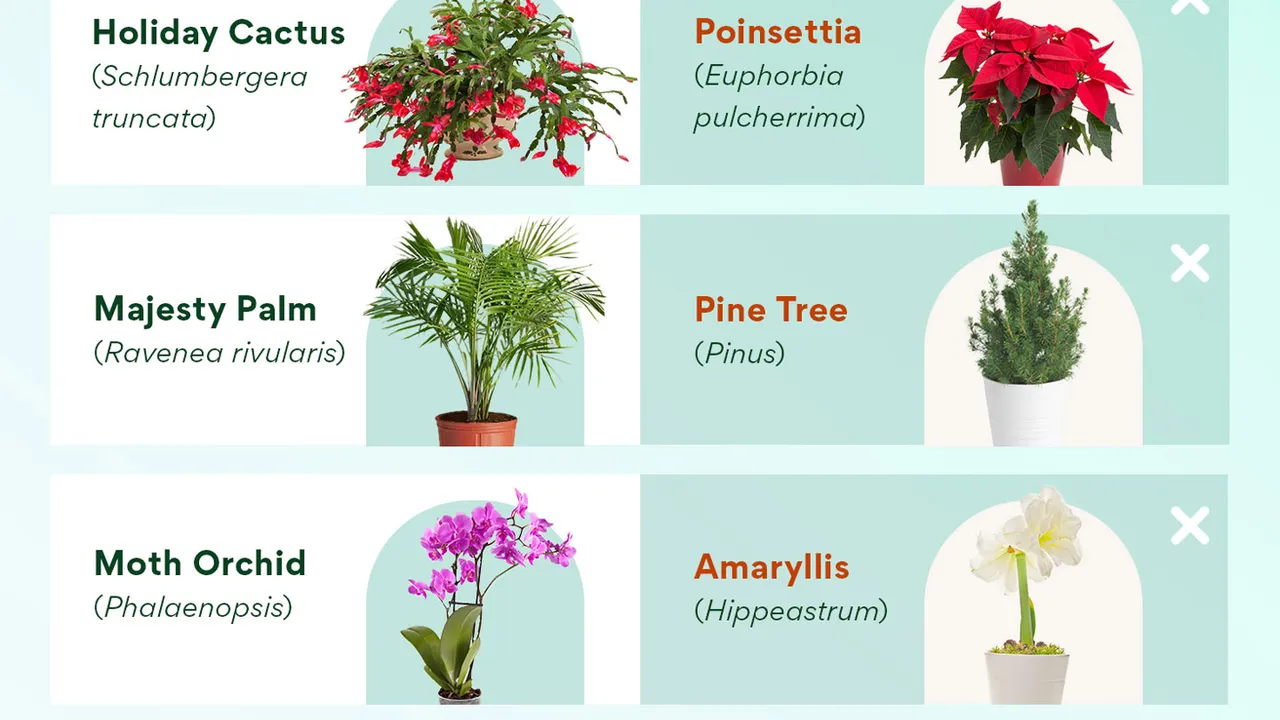
Opt for shatterproof ornaments, especially on lower branches of Christmas trees. Securely anchor your Christmas tree to prevent it from tipping over if a curious pet tries to climb or play with it. Keep electrical cords for lights tucked away or covered to prevent chewing, which can lead to electrical shocks or burns. Consider using pet-safe alternatives to traditional holiday plants like poinsettias, mistletoe, and holly, which are toxic to pets. Artificial plants or pet-friendly options like Christmas cacti are safer choices.
Food management is another critical area. Holiday spreads are often laden with rich, fatty, or toxic ingredients for pets. Chocolate, alcohol, grapes, raisins, onions, garlic, and xylitol (a common sugar substitute) are just a few examples of human foods that can be dangerous. Instruct guests not to feed your pet table scraps. Keep food platters, drinks, and desserts out of paw's reach, preferably on high counters or in rooms inaccessible to pets. Promptly clean up any spills or dropped food. Having a designated 'pet treat' station with safe, approved treats can be a good way to redirect guests who want to give your pet something special.
Comparing Pet Safe Decoration and Food Solutions
- Shatterproof Ornaments vs. Glass Ornaments: Shatterproof ornaments (e.g., plastic, fabric) are far safer as they won't break into sharp pieces if knocked down. Price: Varies widely, generally comparable to glass.
- Cord Protectors/Covers vs. Exposed Cords: Products like the D-Line Cable Protector or simple spiral cable wraps can prevent pets from chewing on electrical cords. Price: Approximately $10-$30.
- Artificial Plants vs. Toxic Live Plants: Artificial poinsettias, holly, and mistletoe eliminate the risk of poisoning. Always check plant toxicity lists before bringing live plants into your home. Price: Artificial plants can range from $10-$50+.
- High Countertops/Closed Doors vs. Accessible Food: The simplest and most effective solution is physical barriers. For persistent pets, consider a Pet Proof Trash Can like the Simplehuman Pet-Proof Step Can to prevent rummaging. Price: Approximately $80-$150.
- Pet-Specific Holiday Treats vs. Human Food Scraps: Offer guests a bowl of safe, store-bought pet treats (e.g., Greenies Dental Chews Holiday Edition or Blue Buffalo Wilderness Trail Treats) to give to your pet instead of human food. Price: Approximately $5-$20 per bag.
Managing Pet Interactions with Guests and Children
The influx of new faces, especially children, can be exciting or stressful for pets. Proper management of these interactions is key to a harmonious party. Before guests arrive, ensure your pet has had ample exercise and a potty break. This helps them be calmer and less prone to overexcitement.
When guests arrive, supervise all interactions, especially between pets and children. Teach children how to properly interact with pets – no pulling tails, ears, or sudden loud noises. Encourage gentle petting and explain the importance of respecting a pet's space, especially when they are in their safe zone. For dogs, teach them to 'greet politely' without jumping. For cats, allow them to approach guests on their own terms rather than forcing interactions.
If your pet shows signs of stress (e.g., excessive panting, lip licking, yawning, tail tucked, hiding), gently guide them to their safe zone for a break. It's better to err on the side of caution and give your pet too much space than too little. Consider having a designated 'pet monitor' – a responsible family member or friend – who can keep an eye on your pet throughout the party, ensuring they are comfortable and safe.
For pets that are prone to anxiety around strangers, consider consulting with your vet about calming supplements or pheromone diffusers in the weeks leading up to the party. These can help create a more relaxed environment for your pet.
Post Party Pet Care and Recovery
Once the last guest has left and the holiday cheer subsides, it's important to focus on your pet's post-party recovery. Even if they seemed to handle the party well, the excitement and disruption to their routine can be tiring. Provide them with a quiet, comfortable environment to rest and decompress. Ensure their water bowl is full and they have access to their regular food.
Check your home for any forgotten food scraps, dropped decorations, or small items that could have fallen and become a hazard. A thorough sweep of the party area is essential to prevent accidental ingestion. Observe your pet for any signs of illness or unusual behavior in the hours and days following the party. Symptoms like vomiting, diarrhea, lethargy, or loss of appetite could indicate they ingested something they shouldn't have or are experiencing stress. If you notice any concerning symptoms, contact your veterinarian immediately.
Finally, resume your pet's normal routine as quickly as possible. Regular feeding times, walks, and playtime will help them settle back into their familiar rhythm and recover from the holiday excitement. A little extra cuddle time and reassurance can also go a long way in helping your furry friend feel loved and secure after a busy holiday gathering.
By following these essential pet-friendly holiday party planning tips, you can ensure that your celebrations are not only memorable for your human guests but also safe, comfortable, and enjoyable for your beloved pets. Happy holidays!
:max_bytes(150000):strip_icc()/277019-baked-pork-chops-with-cream-of-mushroom-soup-DDMFS-beauty-4x3-BG-7505-5762b731cf30447d9cbbbbbf387beafa.jpg)