Comparing Pet Calming Aids for Travel Anxiety
Help your pet stay calm during holiday travel with our review of effective calming aids.
Help your pet stay calm during holiday travel with our review of effective calming aids.
Comparing Pet Calming Aids for Travel Anxiety
Understanding Pet Travel Anxiety Causes and Symptoms
Traveling with pets, especially during the bustling holiday season, can be a source of immense joy and unforgettable memories. However, for many furry companions, the experience can also trigger significant anxiety. Understanding the root causes and recognizing the symptoms of pet travel anxiety is the first crucial step in providing effective support. Common causes include unfamiliar environments, loud noises, motion sickness, separation from familiar routines or people, and even the confined space of a carrier or vehicle. Symptoms can manifest in various ways, from subtle signs like excessive yawning, lip licking, or panting, to more overt behaviors such as whining, barking, destructive chewing, drooling, vomiting, or even aggression. Some pets might become withdrawn, trembling, or attempt to escape. Identifying these signs early allows pet parents to intervene proactively and choose the most appropriate calming aids.
Exploring Natural Pet Calming Aids for Travel
When it comes to helping your pet relax during travel, many pet parents first turn to natural calming aids. These options often leverage botanical extracts, pheromones, or specific nutrients to promote a sense of tranquility without relying on pharmaceuticals. They are generally considered safe for most pets and can be a great starting point for mild to moderate anxiety.
Pheromone Diffusers and Sprays for Pet Travel Calm
Pheromone products, such as those containing Dog Appeasing Pheromone (DAP) or Feline Facial Pheromone (FFP), mimic the natural calming pheromones produced by mother animals. These odorless chemicals signal safety and comfort to pets, helping to reduce stress and anxiety. They come in various forms, including diffusers that can be plugged into an outlet in your car or hotel room, and sprays that can be applied directly to carriers, bedding, or car interiors (never directly on your pet). The effects are typically subtle but can be very effective for some animals.
- Adaptil Travel Spray: This popular dog-specific spray contains DAP and is designed for on-the-go use. You can spray it in your car 15 minutes before your dog enters, or directly into their carrier. A 60ml bottle typically costs around $20-$25. It's great for short trips or as a pre-travel calming measure.
- Feliway Classic Spray: For cats, Feliway Classic uses FFP to create a reassuring environment. Similar to Adaptil, it can be sprayed in carriers or on bedding. A 60ml bottle usually retails for $20-$25. Ideal for reducing stress during car rides to the vet or holiday destinations.
Herbal Supplements and Chews for Pet Travel Relaxation
Herbal supplements often contain ingredients like chamomile, valerian root, L-theanine, or tryptophan, which are known for their calming properties. These are typically administered orally, either as chews, liquids, or capsules. It's important to start these a few days before travel to allow them to build up in your pet's system and to consult with your vet before introducing any new supplements.
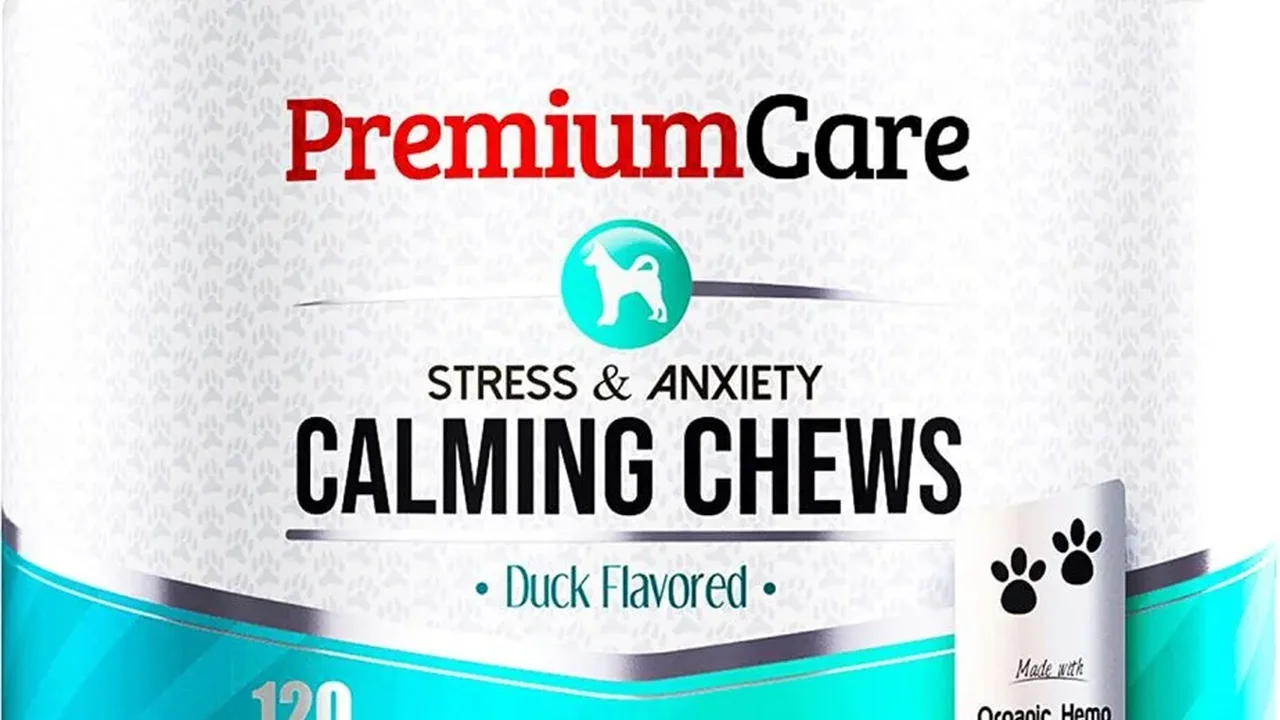
- Zesty Paws Calming Bites: These popular soft chews for dogs contain organic hemp powder, L-theanine, and chamomile. They are bacon-flavored, making them palatable for most dogs. A jar of 90 chews costs approximately $25-$30. Users report good success for mild to moderate anxiety during car rides.
- NaturVet Quiet Moments Calming Aid: Available for both dogs and cats, these soft chews include thiamine, L-tryptophan, and chamomile. A 70-count bag for dogs is around $15-$20, while a 60-count for cats is similar. They are often recommended for thunderstorms, fireworks, and travel.
- Pet Releaf Hemp Oil: For a more potent natural option, full-spectrum hemp oil (CBD oil) can be very effective. Pet Releaf offers various potencies for dogs and cats. A 500mg bottle for medium dogs might cost $50-$70. It's crucial to choose a reputable brand with third-party testing and to start with a low dose, gradually increasing as needed under veterinary guidance. CBD can help with a range of anxieties, including travel-induced stress.
Exploring Pharmaceutical Pet Calming Aids for Severe Anxiety
For pets with severe travel anxiety that doesn't respond to natural remedies, your veterinarian might recommend pharmaceutical options. These medications are typically prescription-only and are designed to provide stronger calming effects. They should always be used under strict veterinary supervision, as dosages and potential side effects need to be carefully monitored.
Prescription Medications for Pet Travel Anxiety Management
Veterinarians have several pharmaceutical tools at their disposal to help manage severe travel anxiety. These can range from anxiolytics (anti-anxiety medications) to sedatives, depending on the pet's specific needs and the severity of their anxiety.
- Trazodone: This is a commonly prescribed anxiolytic for dogs and sometimes cats. It's often given a few hours before travel and can help reduce general anxiety, fear, and phobias. The cost varies depending on the dosage and quantity, but a typical prescription might range from $10-$30. It's generally well-tolerated but can cause sedation or gastrointestinal upset in some pets.
- Gabapentin: While primarily an anti-seizure medication, Gabapentin is also widely used off-label for anxiety and pain relief in both dogs and cats. It can be particularly effective for cats with travel anxiety. Similar to Trazodone, costs vary, but a prescription might be $15-$40. Side effects can include sedation and ataxia (wobbliness).
- Sileo (Dexmedetomidine Oromucosal Gel): Sileo is specifically approved for noise aversion in dogs, but it can be very useful for travel anxiety, especially if noise is a significant trigger. It's an oral gel that is absorbed through the gums. A single dose syringe can cost around $20-$30. It provides a calming effect without heavy sedation, allowing the dog to remain aware but less reactive.
- Alprazolam (Xanax): This benzodiazepine is a strong anxiolytic that can be prescribed for severe, acute anxiety. It works quickly but can cause significant sedation. Due to its potency and potential for dependence, it's typically reserved for short-term, situational use. Costs are generally low, often under $10 for a small prescription.
It's crucial to have a thorough discussion with your veterinarian about your pet's medical history, current medications, and the specific travel plans before considering any pharmaceutical options. Your vet will determine the most appropriate medication, dosage, and administration schedule to ensure your pet's safety and comfort.
Comparing Calming Aids Effectiveness and Usage Scenarios
Choosing the right calming aid depends heavily on your pet's individual needs, the severity of their anxiety, and the specific travel scenario. What works for one pet might not work for another, and sometimes a combination of approaches is most effective.
Mild Anxiety and Short Trips Pet Calming Solutions
For pets with mild anxiety or for short, routine trips (like a quick car ride to the vet or a short drive to a local park), natural options are often sufficient. Pheromone sprays applied to carriers or car interiors, or a calming chew given 30-60 minutes before departure, can make a significant difference. These options are generally low-risk and can be used regularly without concern for heavy sedation.
- Scenario: A 30-minute car ride to grandma's house for a holiday visit.
- Recommended Aids: Adaptil/Feliway spray in the carrier, Zesty Paws Calming Bites.
- Why: These provide gentle support without heavy sedation, allowing your pet to still enjoy the destination.
Moderate Anxiety and Longer Journeys Pet Calming Strategies
When facing longer car rides, flights, or more significant changes in environment, pets with moderate anxiety might benefit from a combination of natural aids or a slightly stronger natural supplement. Starting a calming supplement a few days in advance can be beneficial, and combining it with pheromone products can create a more comprehensive calming effect.
- Scenario: A 4-hour road trip to a holiday cabin.
- Recommended Aids: NaturVet Quiet Moments chews (started 2-3 days prior), Pet Releaf Hemp Oil (administered before and during the trip as needed), and a calming blanket or Thundershirt.
- Why: The pre-loading of supplements helps build up their effect, and the combination provides multi-faceted support.
Severe Anxiety and Air Travel Pet Calming Protocols
For pets with severe anxiety, especially those prone to panic attacks, extreme vocalization, or destructive behavior during travel, or for air travel where sedation might be necessary (though many airlines have restrictions on sedated animals), prescription medications are often the most effective solution. These should always be discussed and prescribed by a veterinarian.
- Scenario: A cross-country flight or a pet with a history of extreme panic during car rides.
- Recommended Aids: Trazodone or Gabapentin (prescribed by vet, administered as directed), potentially combined with a pheromone collar or spray.
- Why: These medications provide a stronger, more reliable calming effect for severe cases, ensuring the pet's safety and well-being during highly stressful situations. Always check airline regulations regarding sedated pets.
Beyond Calming Aids Holistic Approaches to Pet Travel Comfort
While calming aids are valuable tools, they are most effective when integrated into a holistic approach to pet travel comfort. Addressing environmental factors, training, and routine can significantly reduce your pet's overall stress levels.
Creating a Positive Travel Environment for Pets
Making the travel environment as comfortable and familiar as possible can go a long way. Use a familiar carrier that your pet associates with positive experiences, not just vet visits. Line it with their favorite blanket or a piece of your clothing that smells like you. Keep the car temperature comfortable and ensure good ventilation. For car travel, consider a comfortable car seat or restraint that allows them to see out but keeps them secure.
Desensitization and Counter-Conditioning for Travel Anxiety
For pets with mild to moderate anxiety, gradual desensitization and counter-conditioning can be incredibly effective long-term strategies. Start by introducing the carrier or car in a positive way, associating it with treats and praise. Gradually increase the time spent in the carrier/car, then introduce short, positive trips. The goal is to change your pet's emotional response from fear to excitement or neutrality.
Routine and Familiarity During Holiday Travel
Pets thrive on routine. As much as possible, try to maintain your pet's feeding, walking, and sleeping schedules during holiday travel. Bring their favorite toys, bedding, and food from home to provide a sense of familiarity in new environments. This consistency can significantly reduce stress and help them adapt more quickly to new surroundings.
Exercise and Mental Stimulation Before Travel
A tired pet is often a calm pet. Before a long journey, ensure your pet gets plenty of exercise and mental stimulation. A long walk, a vigorous play session, or some puzzle toys can help burn off excess energy and make them more likely to rest during travel. This is especially important for high-energy breeds.
Consulting Your Veterinarian for Personalized Pet Travel Plans
Ultimately, the best approach to managing your pet's travel anxiety is a personalized one, developed in consultation with your veterinarian. They can assess your pet's health, discuss their specific anxieties, and recommend the most appropriate calming aids or strategies. They can also rule out any underlying medical conditions that might be contributing to the anxiety. Don't hesitate to reach out to your vet well in advance of your holiday travel plans to ensure a smooth and stress-free journey for your beloved companion.
:max_bytes(150000):strip_icc()/277019-baked-pork-chops-with-cream-of-mushroom-soup-DDMFS-beauty-4x3-BG-7505-5762b731cf30447d9cbbbbbf387beafa.jpg)