Comparing Pet Behavior Consultations Online
Prepare your pet for holiday fireworks and loud noises with our desensitization techniques.
Prepare your pet for holiday fireworks and loud noises with our desensitization techniques.
Comparing Pet Desensitization Techniques for Noise
Understanding Pet Noise Phobias and Anxiety Triggers
It's a common scenario: the holidays roll around, and suddenly, your usually calm pet transforms into a trembling, panting mess at the sound of fireworks, thunder, or even loud party chatter. This isn't just 'being scared'; it's often a genuine noise phobia or anxiety, and it can be incredibly distressing for both you and your furry friend. Understanding what triggers these reactions is the first step. For many pets, it's the sudden, unpredictable nature of loud noises. The intensity, duration, and even the specific frequency of certain sounds can be overwhelming. Some pets might have had a negative experience associated with a loud noise in the past, while others might simply be predisposed to anxiety. Recognizing the signs – panting, drooling, hiding, destructive behavior, excessive vocalization, or even trying to escape – is crucial. Ignoring these signs can lead to worsening anxiety over time, impacting your pet's overall well-being and quality of life, especially during festive seasons.The Science Behind Desensitization and Counter-Conditioning for Noise Sensitivity
Desensitization and counter-conditioning are the cornerstones of effectively managing pet noise phobias. It's not about 'curing' the fear overnight, but rather gradually changing your pet's emotional response to the trigger. Desensitization involves slowly exposing your pet to the feared noise at a very low, non-threatening volume, gradually increasing it over time. The key is to keep the pet below their anxiety threshold. Counter-conditioning, on the other hand, pairs the feared stimulus (the noise) with something positive and rewarding, like high-value treats, favorite toys, or gentle praise. The goal is to create a new, positive association with the noise, transforming fear into anticipation of something good. This process leverages classical conditioning principles, where a neutral stimulus (the noise) becomes associated with a positive outcome. It's a slow and steady approach, requiring patience and consistency, but the results can be life-changing for noise-sensitive pets.Sound Therapy and Noise Desensitization Apps and CDs
One of the most accessible and effective ways to begin desensitization is through sound therapy. This involves playing recordings of the specific noises that trigger your pet's anxiety. There are numerous apps and CDs specifically designed for this purpose, offering a controlled environment for exposure.Recommended Sound Therapy Products:
-
Through a Dog's Ear Music and Sound Therapy CDs: This popular series offers clinically tested music and soundscapes designed to calm anxious dogs. They have specific tracks for fireworks, thunderstorms, and general anxiety. The 'Driving Rain and Thunder' CD, for example, gradually introduces thunder sounds embedded within calming music. The idea is that the music helps mask and reframe the scary sounds. You can find these on Amazon or their official website, typically ranging from $15-$25 per CD. The benefit here is the curated content and the scientific backing.
Usage Scenario: Start playing the CD at a very low volume, almost imperceptible, while your pet is relaxed or engaged in a positive activity like eating. Gradually increase the volume over days or weeks, ensuring your pet remains calm. If they show any signs of anxiety, reduce the volume immediately.
-
Calm My Dog App (iOS/Android): This app offers a variety of calming sounds, including white noise, classical music, and specific noise desensitization tracks for fireworks and thunderstorms. It's often free with in-app purchases for premium content, or a small one-time fee (around $5-$10). The convenience of having it on your phone makes it highly accessible.
Usage Scenario: Similar to the CDs, start with low volume. The app allows for easy volume control and looping of specific sounds. You can use it during short training sessions or even as background noise during times when your pet is typically relaxed.
-
Sound Proof Puppy Training (Online Program/Downloadable Tracks): While geared towards puppies, the principles and sound tracks are highly effective for adult dogs too. This program often includes a wider range of sounds, from household noises to city sounds and fireworks. Prices vary, but often around $30-$50 for a comprehensive download package. The advantage is the structured program and variety of sounds.
Usage Scenario: Follow their structured program, which typically involves short, frequent exposure sessions. This is great for pets with a wide range of noise sensitivities, not just specific loud events.
Comparison of Sound Therapy Products:
Through a Dog's Ear excels in its scientific approach and calming music integration, making it ideal for pets who react strongly to sudden, sharp noises. Calm My Dog App offers unparalleled convenience and affordability, perfect for on-the-go desensitization. Sound Proof Puppy Training provides a more comprehensive, structured program for broader noise sensitivities. Consider your pet's specific triggers and your preferred method of delivery (physical CD vs. app/download) when choosing.
Creating a Safe Haven and Comfort Zones for Noise-Sensitive Pets
Beyond direct desensitization, providing a safe and comfortable space is paramount. This 'safe haven' acts as a retreat where your pet feels secure and protected from overwhelming noises. It should be a place they associate with positive experiences, not just a place they go when scared.Essential Comfort Zone Products:
-
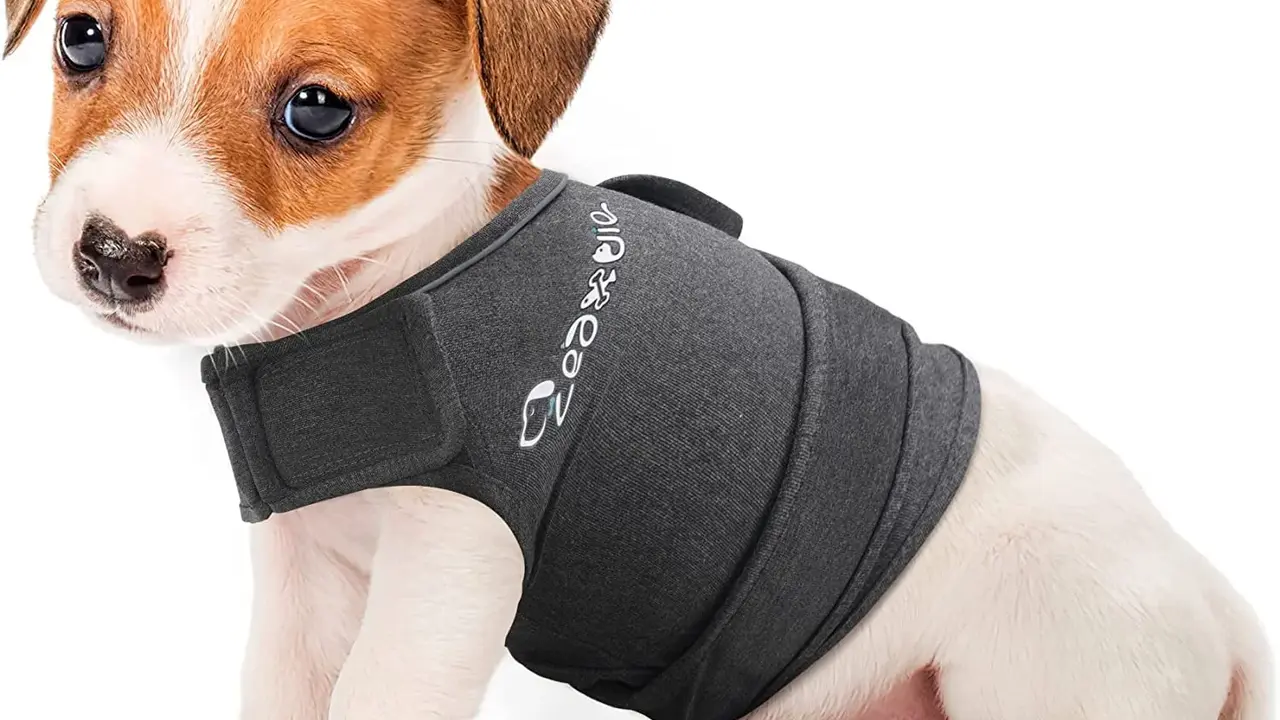
ThunderShirt Classic Dog Anxiety Jacket: This patented vest applies gentle, constant pressure, similar to swaddling a baby. It's designed to calm anxiety, including noise phobias. Prices range from $40-$70 depending on size. It's a non-invasive, drug-free solution that many pet owners swear by.
Usage Scenario: Put the ThunderShirt on your pet before an anticipated noisy event (e.g., New Year's Eve fireworks) or during a thunderstorm. Introduce it gradually during calm times so your pet associates it with comfort, not just fear.
-
Calming Dog Beds (e.g., Best Friends by Sheri Calming Donut Dog Bed): These beds are designed with raised rims to provide a sense of security and warmth, mimicking a mother's embrace. They are often made from soft, plush materials. Prices vary widely by size, from $30-$100+. The donut shape allows pets to burrow and feel protected.
Usage Scenario: Place this bed in a quiet, secluded area of your home. Encourage your pet to use it regularly, perhaps by placing treats or favorite toys inside. This becomes their go-to spot for comfort.
-
Pet Crates with Covers (e.g., MidWest Homes for Pets iCrate with Crate Cover): A crate, when properly introduced and used as a positive space, can be an excellent safe haven. Adding a crate cover creates a den-like environment, blocking out visual stimuli and muffling some noise. A standard crate might cost $50-$150, with covers around $15-$30.
Usage Scenario: Ensure your pet views the crate as a positive space, not a punishment. Feed meals in it, offer treats, and never force them in. During noisy events, cover the crate and place it in the quietest part of your home.
Comparison of Comfort Zone Products:
The ThunderShirt offers immediate, pressure-based calming, ideal for acute anxiety episodes. Calming Dog Beds provide a continuous source of comfort and security, perfect for everyday use and mild anxiety. Crates with Covers offer a more enclosed, den-like retreat, excellent for pets who seek solitude and darkness during stressful times. Combining these can provide multi-layered support.
Pheromone Diffusers and Calming Supplements for Noise Anxiety
For some pets, behavioral techniques alone might not be enough, or they might need additional support during the initial stages of desensitization. Pheromone diffusers and calming supplements can provide a subtle, non-sedating way to reduce overall anxiety levels, making your pet more receptive to training.Recommended Calming Aids:
-
Adaptil Dog Calming Pheromone Diffuser: This diffuser releases a synthetic version of the dog appeasing pheromone (DAP), which is naturally emitted by mother dogs to comfort their puppies. It helps create a calming environment. A starter kit (diffuser + refill) costs around $30-$45, with refills around $20-$30 for a month's supply.
Usage Scenario: Plug the diffuser into an outlet in the room where your pet spends most of their time, especially during anticipated noisy periods. It works continuously to provide a calming presence.
-
Zylkene Calming Supplements for Dogs and Cats: These supplements contain alpha-casozepine, a natural milk protein with calming properties. They are non-drowsy and can be given daily or as needed. A pack of 30 capsules typically costs $20-$40, depending on the dosage.
Usage Scenario: Administer daily for general anxiety or start a few days before a known noisy event (e.g., New Year's Eve) to build up its effect. Can be sprinkled on food or given directly.
-
Composure Pro Chews (VetriScience Laboratories): These chews contain a blend of calming ingredients like L-Theanine, Thiamine (Vitamin B1), and Colostrum Calming Complex. They are designed for fast-acting relief. A bag of 60 chews is usually $25-$40.
Usage Scenario: Give these chews 30-60 minutes before an anticipated stressful event. They can also be used daily for ongoing anxiety management.
Comparison of Calming Aids:
Adaptil Diffusers offer a continuous, environmental calming effect, ideal for general anxiety and making the home feel safer. Zylkene Supplements provide a systemic calming effect, good for pets with chronic anxiety or those who need a gentle, daily aid. Composure Pro Chews are excellent for targeted, faster-acting relief before specific stressful events. Always consult your veterinarian before starting any new supplement regimen, especially if your pet is on other medications.
Professional Guidance and Advanced Training Techniques for Severe Noise Phobias
While DIY desensitization can be effective for mild to moderate cases, severe noise phobias often require professional intervention. A certified professional dog trainer (CPDT) or a veterinary behaviorist (DACVB) can provide tailored strategies and address underlying behavioral issues.When to Seek Professional Help:
- Your pet's anxiety is worsening despite your efforts.
- Your pet is exhibiting destructive behavior or self-harm during episodes.
- Your pet's quality of life is significantly impacted.
- You're unsure how to proceed with desensitization safely.
Advanced Techniques a Professional Might Employ:
- Systematic Desensitization with a Behaviorist: A behaviorist can create a highly structured desensitization plan, often incorporating medication if necessary, to lower your pet's anxiety threshold and make them more receptive to learning.
- Medication Management: For severe cases, a vet or veterinary behaviorist might prescribe anti-anxiety medication (e.g., Trazodone, Sileo) to be used short-term during intense events or long-term to facilitate behavioral modification. This is always done in conjunction with behavioral therapy, not as a standalone solution.
- Operant Conditioning: Beyond counter-conditioning, professionals can use operant conditioning to teach your pet specific coping mechanisms or 'safe' behaviors during noisy events, rewarding them for calm responses.
:max_bytes(150000):strip_icc()/277019-baked-pork-chops-with-cream-of-mushroom-soup-DDMFS-beauty-4x3-BG-7505-5762b731cf30447d9cbbbbbf387beafa.jpg)